
Blade Application Guides
Browse focused application knowledge
Cutting guides by industry, process, equipment and defect
Use these curated topic pages to compare related materials and cutting conditions without relying on broad site search.
Industries
Cutting processes
Equipment types
Cutting defects
Technical Articles
Industrial cutting problem knowledge base
1857 Blade Application Guides
Search by material, industry, cutting process or a problem described in your own words. You do not need to know the exact blade name.
Packaging & Paper
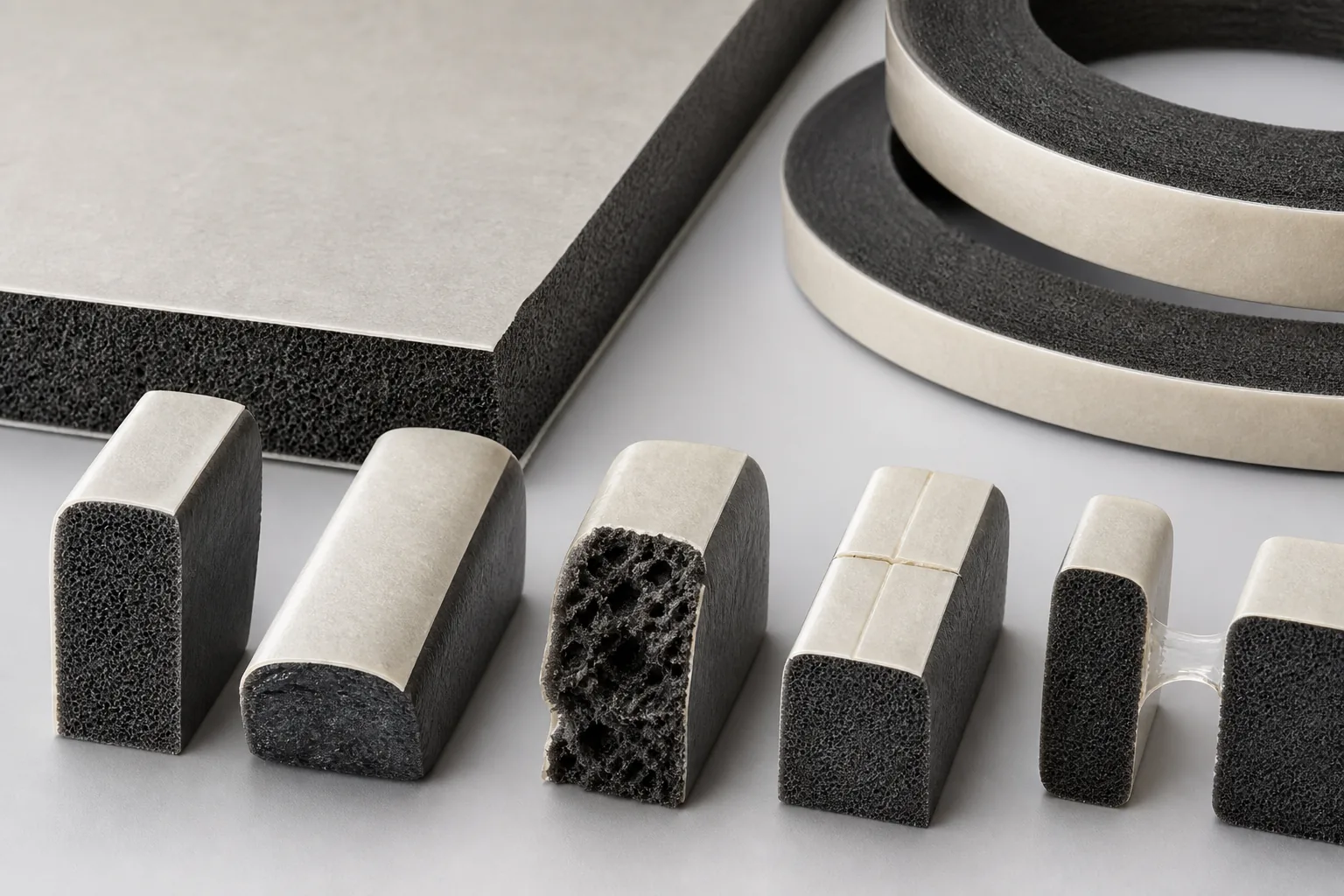
Foam Tape Profile Cutting Without Cell Deformation
Review foam adhesive tape profiling for cell recovery, liner integrity, clean adhesive edges, small-feature accuracy, and reliable part release.
Read the application guide →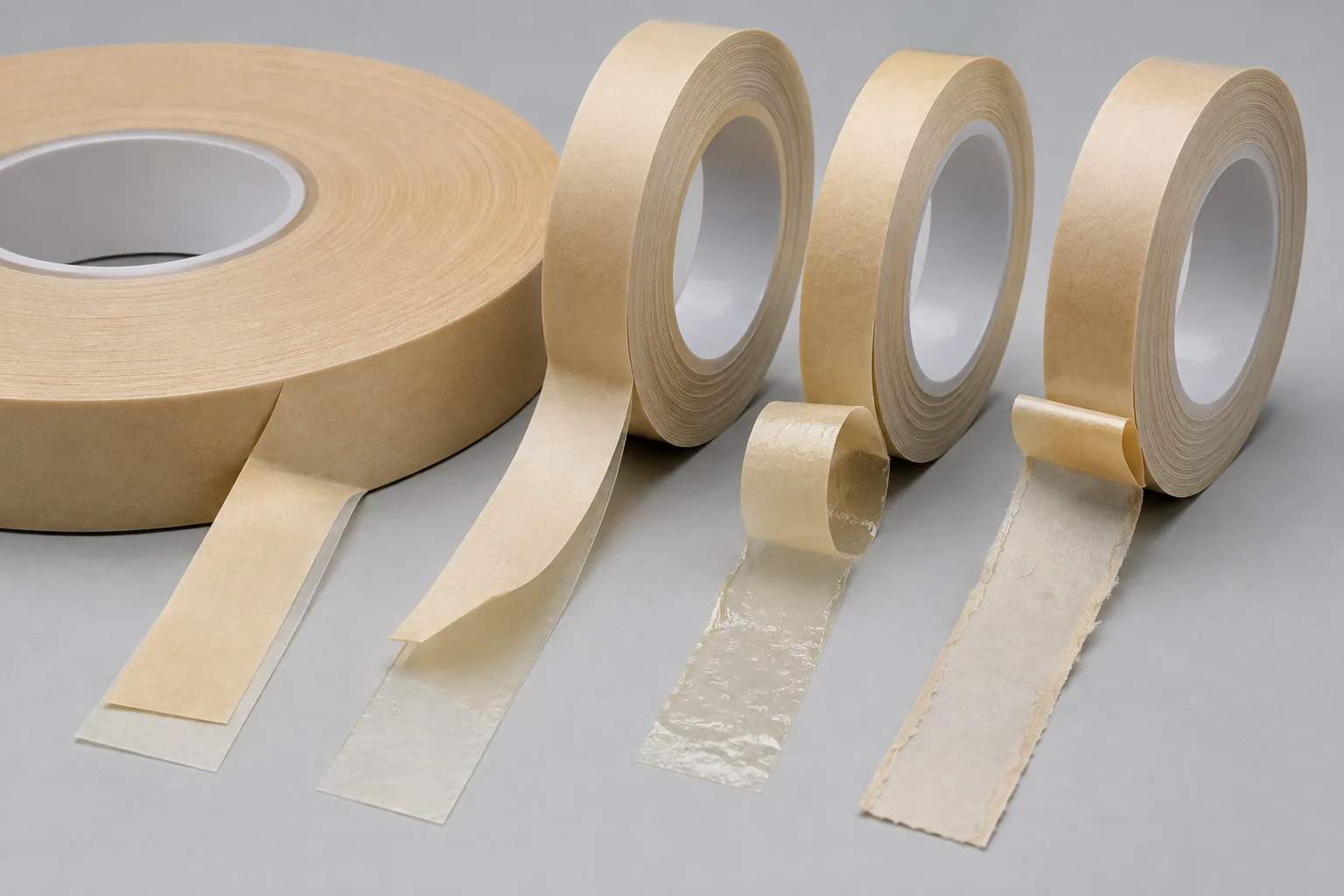
Packaging & Paper
Double-Sided Tape Slitting With Release-Liner Control
Guide to double-sided tape slitting with attention to dual adhesive layers, carrier stretch, liner shift, edge blocking, and accurate narrow reels.
Read the application guide →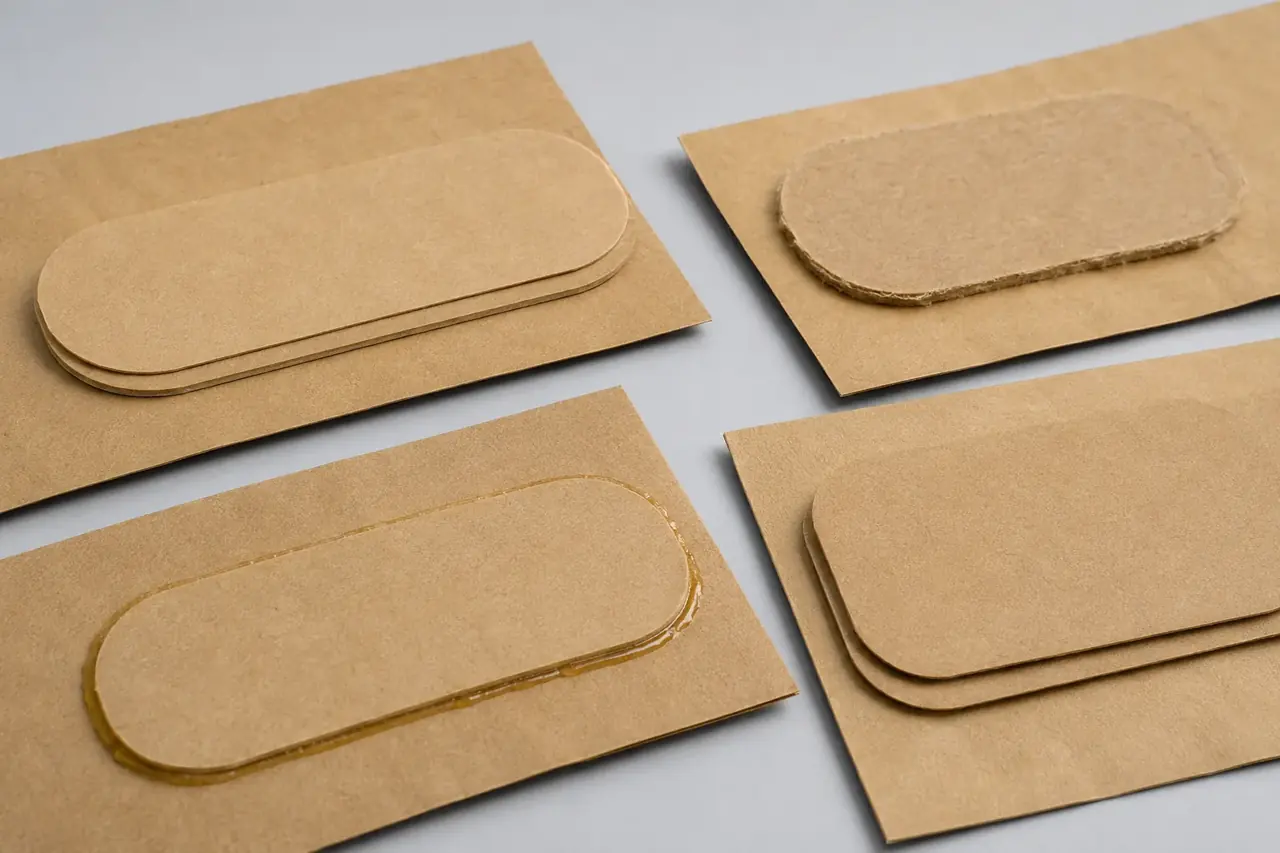
Packaging & Paper
Paper Bag Patch Trimming for Consistent Bond Areas
Review paper bag reinforcement patch trimming for accurate bond coverage, clean fibers, adhesive control, registration, and reliable bag forming.
Read the application guide →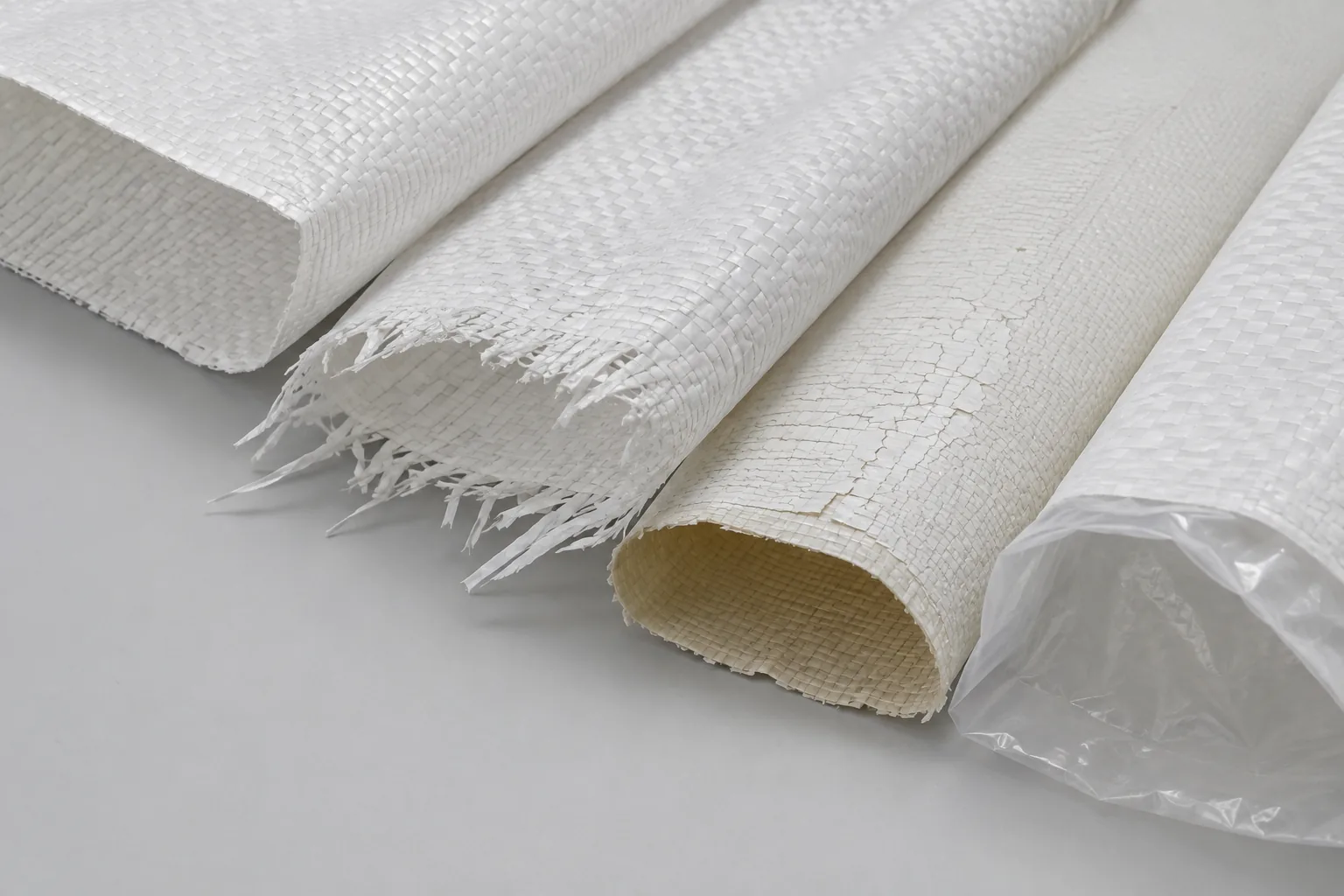
Packaging & Paper
Woven Sack Mouth Cutting Without Yarn Unraveling
Guide to woven sack mouth cutting with control of yarn unraveling, coating cracks, opening squareness, liner tails, and sewing preparation.
Read the application guide →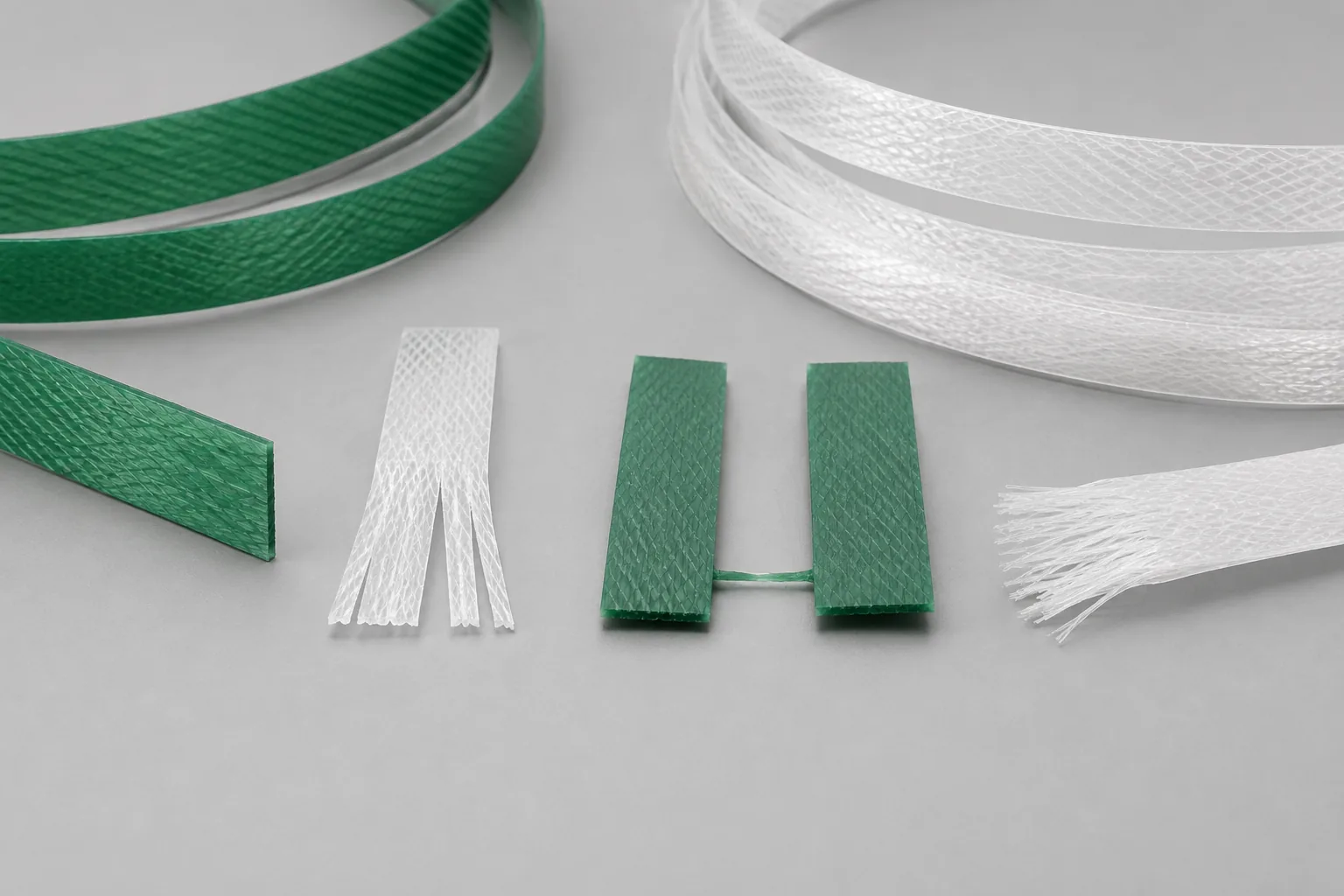
Packaging & Paper
Plastic Strapping Cutoff Without Splitting or Tails
Review plastic strap cutoff for full separation, controlled tails, low splitting, consistent cycle timing, and reliable performance in strapping heads.
Read the application guide →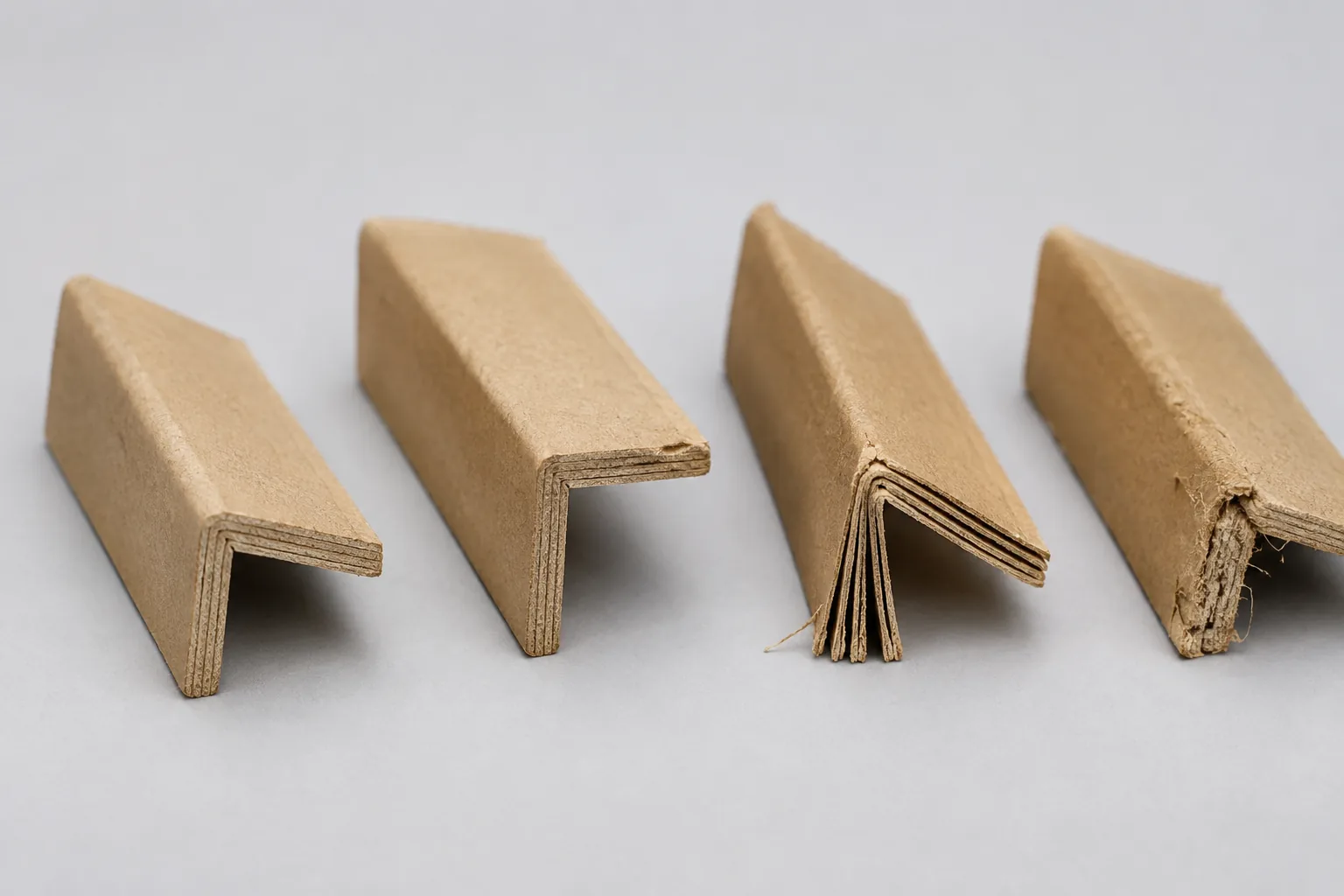
Packaging & Paper
Paperboard Edge Protector Cutting for Square Ends
Guide to length cutting paperboard edge protectors with control of angle, layer bonding, crushed corners, loose fibers, and kit dimensions.
Read the application guide →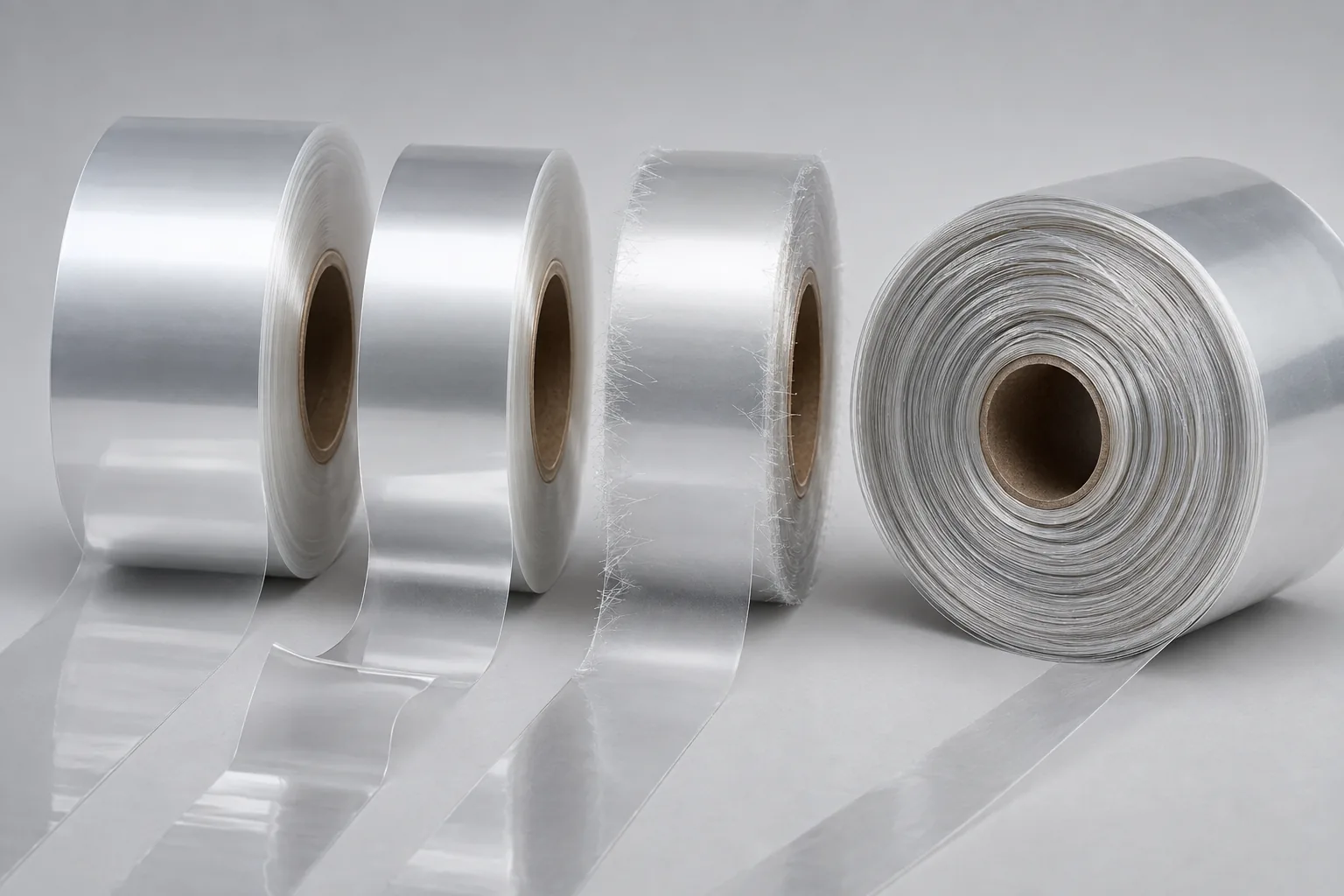
Packaging & Paper
BOPP Film Slitting With Stable Edges and Tension
Review BOPP film slitting for edge curl, web tracking, width accuracy, static, and stable winding across clear, printed, or treated packaging webs.
Read the application guide →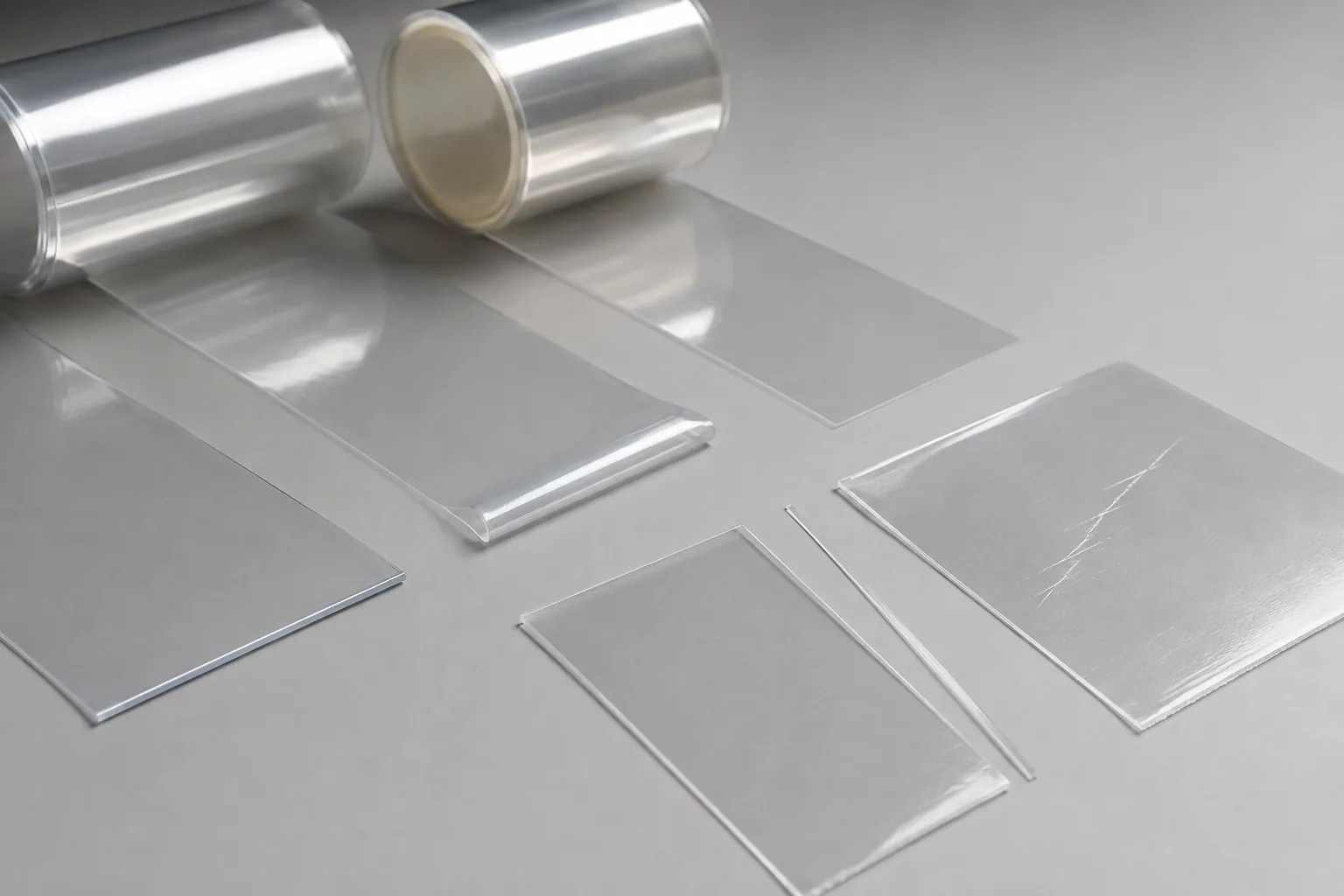
Packaging & Paper
PET Film Slitting for Clean Narrow Reels
Guide to precision PET film slitting with attention to edge burrs, lane width, scratch control, static, and narrow-reel winding for converting use.
Read the application guide →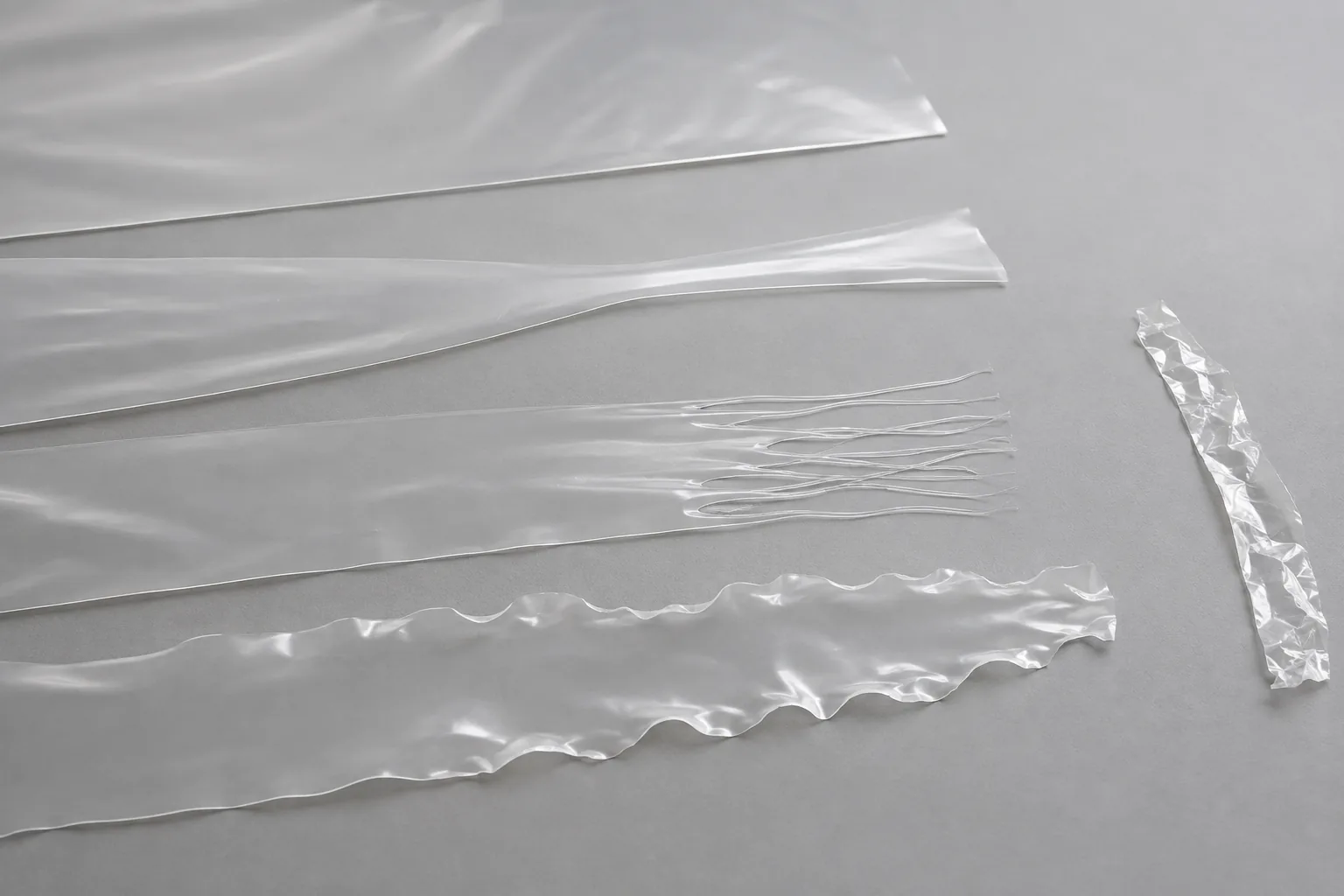
Packaging & Paper
PE Film Edge Trimming Without Stretching
Review PE film edge trimming for stretch control, stable waste removal, clean extruded edges, width accuracy, and reliable winding after conversion.
Read the application guide →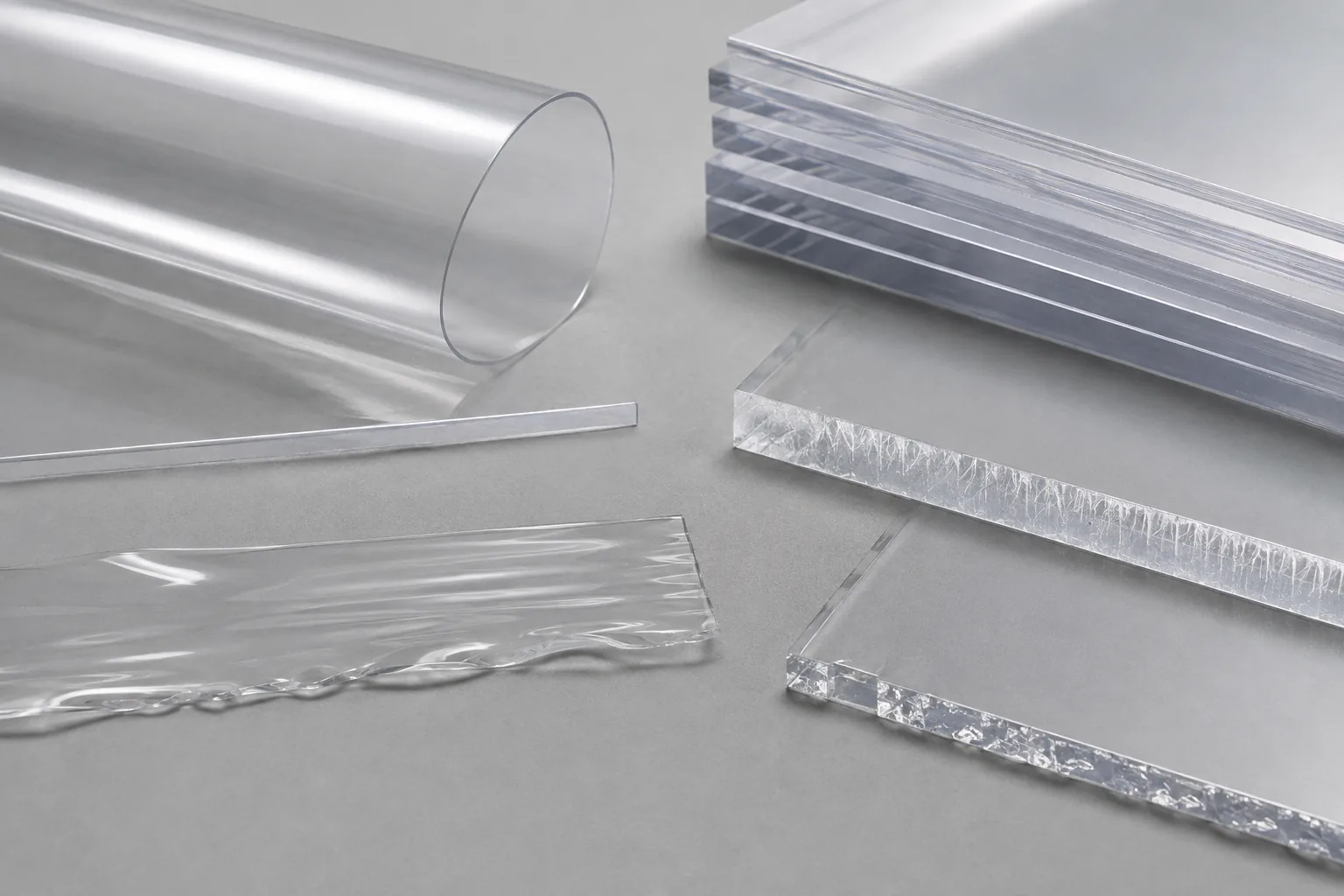
Packaging & Paper
PVC Film Sheet Cutting Without Drag Marks
Guide to PVC film sheet cutting with control of drag marks, edge deformation, blocking, static, and finished dimensions across soft and rigid grades.
Read the application guide →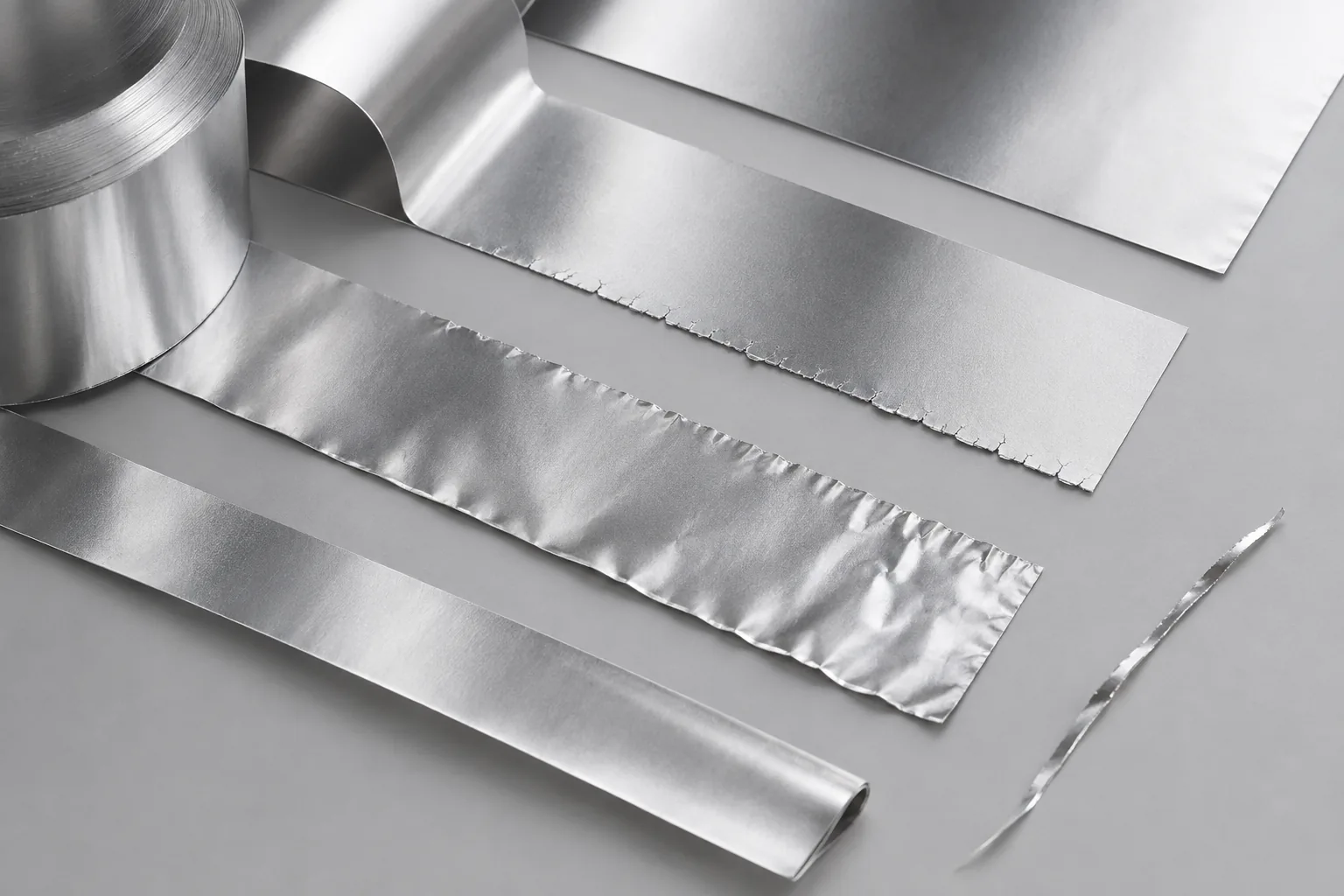
Packaging & Paper
Aluminum Foil Roll Slitting Without Edge Cracks
Review thin aluminum foil slitting for edge cracks, wrinkles, burr-like lips, width control, particle management, and stable narrow-roll winding.
Read the application guide →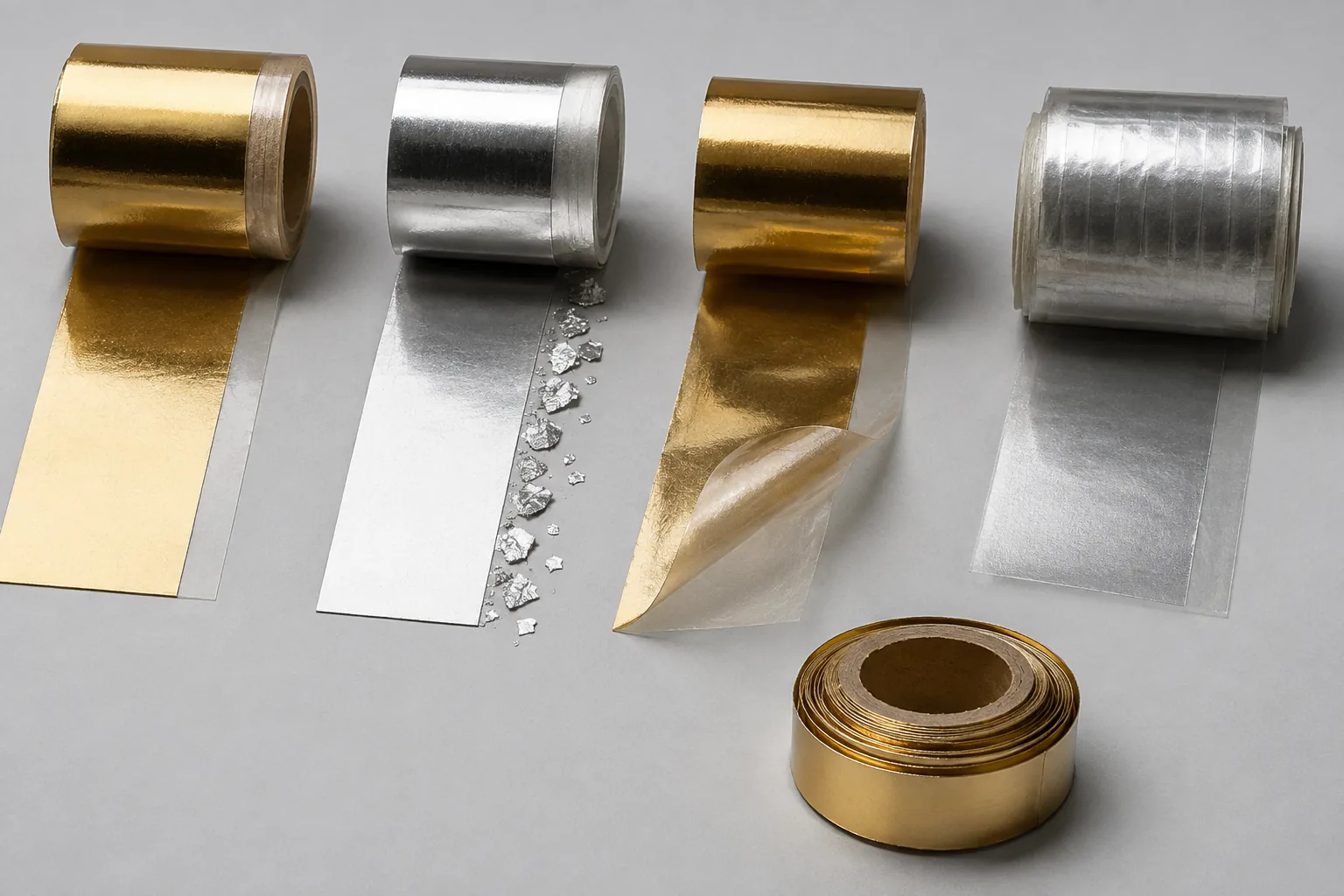
Packaging & Paper
Hot-Stamping Foil Roll Slitting Without Edge Flaking
Plan hot-stamping foil roll slitting around clean coating edges, stable carrier film, accurate widths, controlled tension, and dependable unwind.
Read the application guide →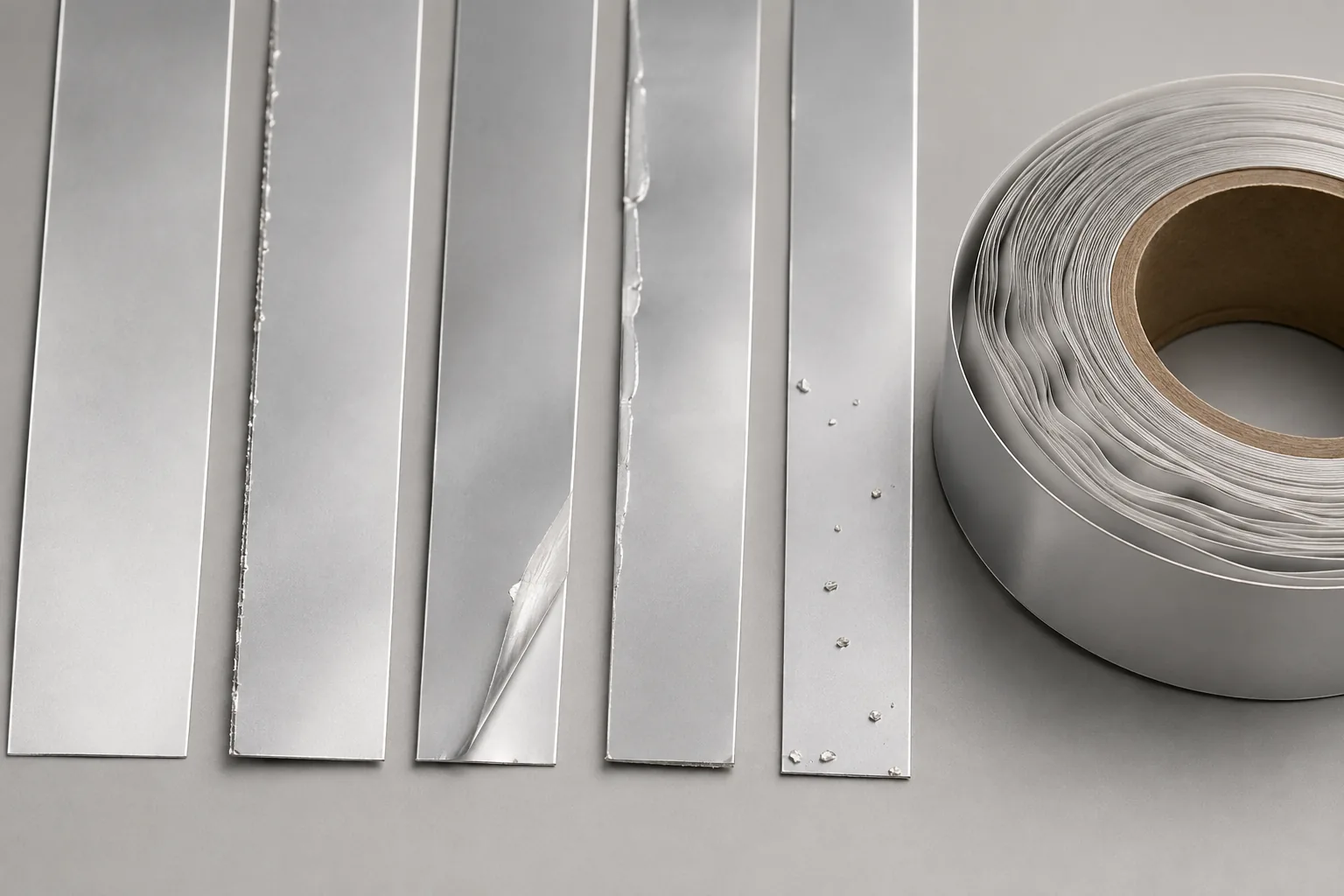
Packaging & Paper
Pharmaceutical Strip-Pack Foil Slitting
Review strip-pack laminate foil slitting for controlled metal burrs, intact bonded layers, clean reels, accurate widths, and stable packaging unwind.
Read the application guide →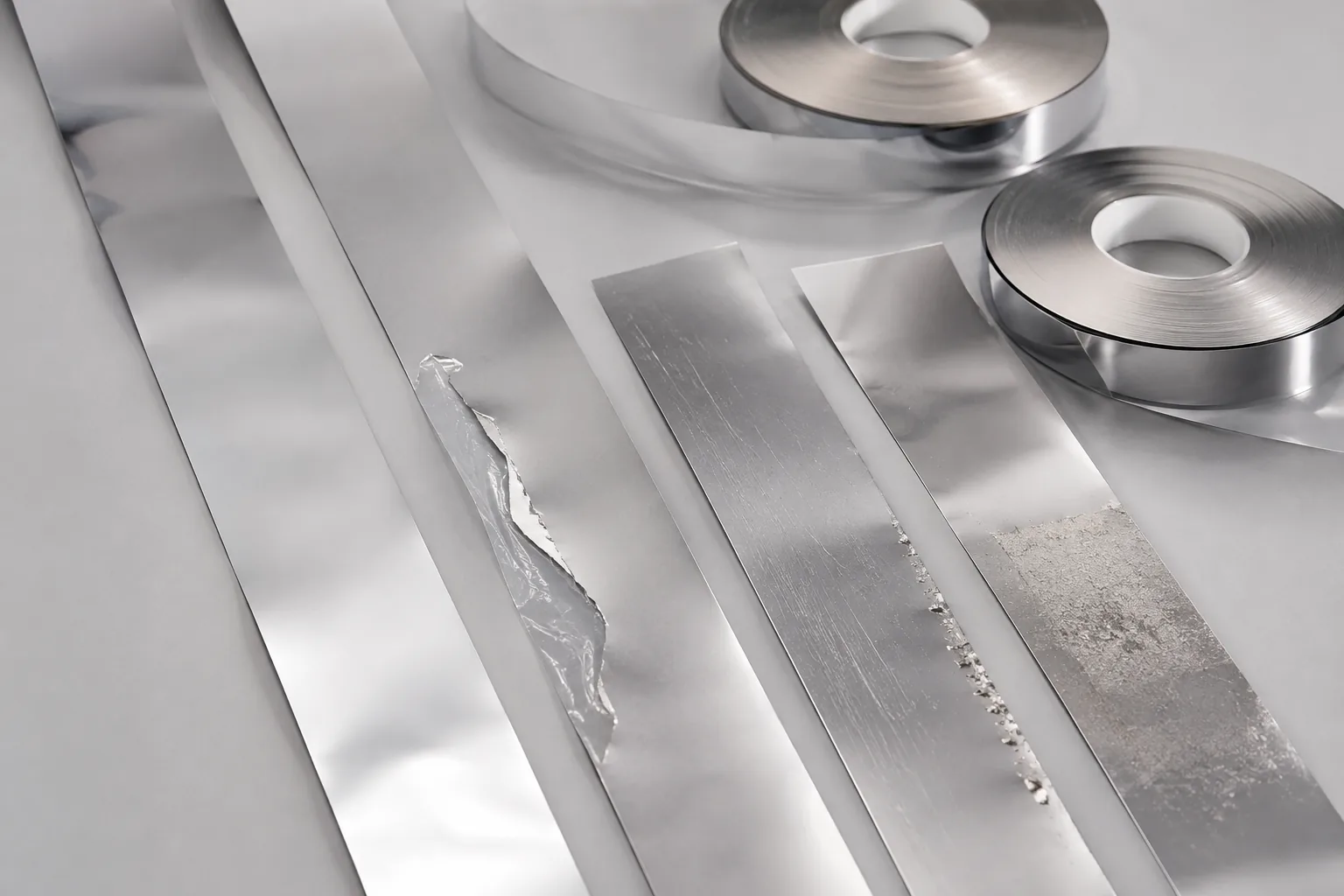
Packaging & Paper
Metallized Film Slitting Without Layer Damage
Guide to metallized film slitting with attention to metal-layer scratches, edge lift, static particles, lane width, and surface-safe rewind handling.
Read the application guide →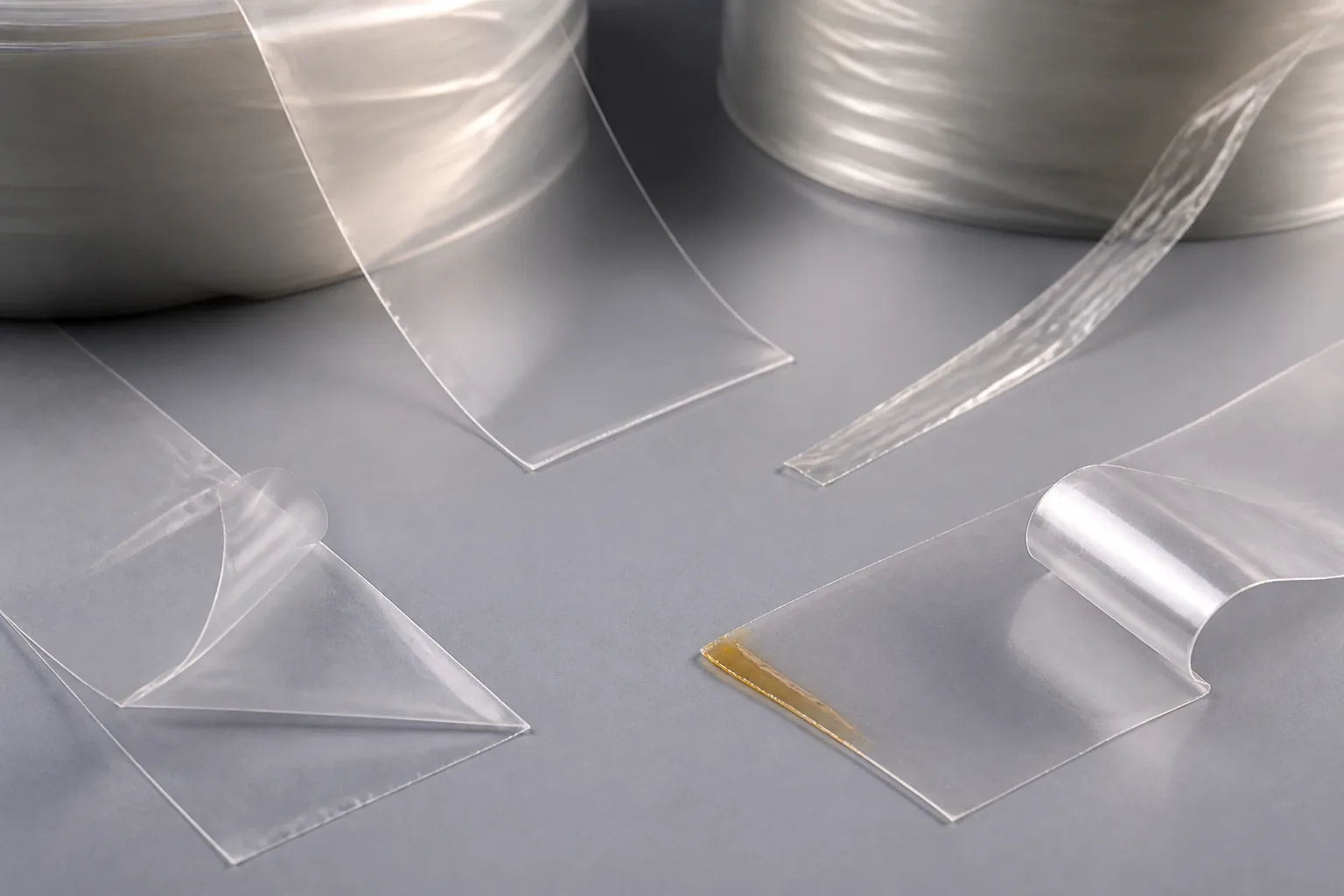
Packaging & Paper
Laminated Packaging Web Slitting Across Bonded Layers
Review flexible laminate slitting for bonded-edge integrity, adhesive pickup, printed-register control, seal-margin cleanliness, and stable reels.
Read the application guide →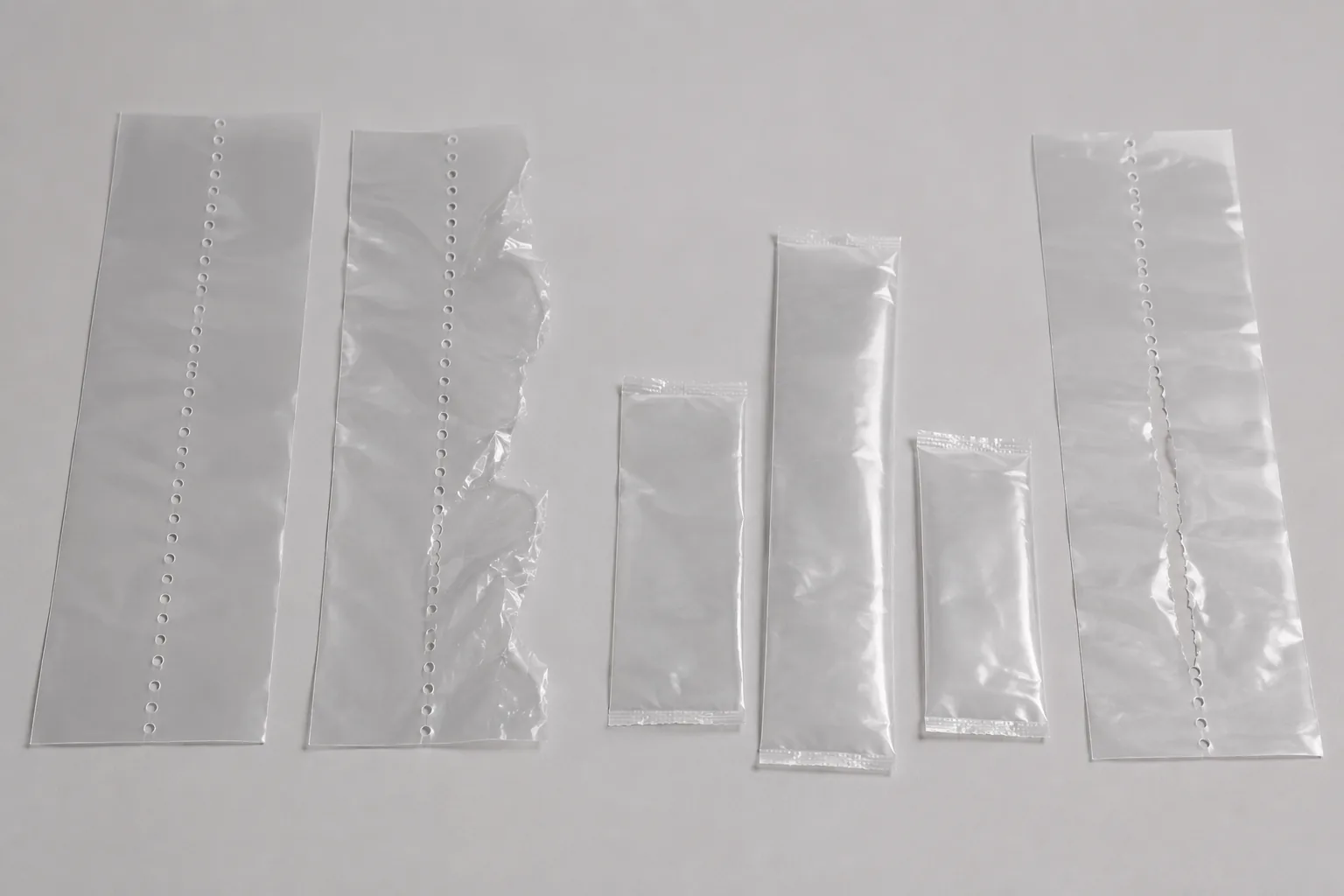
Packaging & Paper
Shrink Film Perforation and Cutoff Consistency
Guide to shrink-film perforation and cutoff for repeatable tear lines, complete separation, low stretch, accurate bag length, and clean packaging webs.
Read the application guide →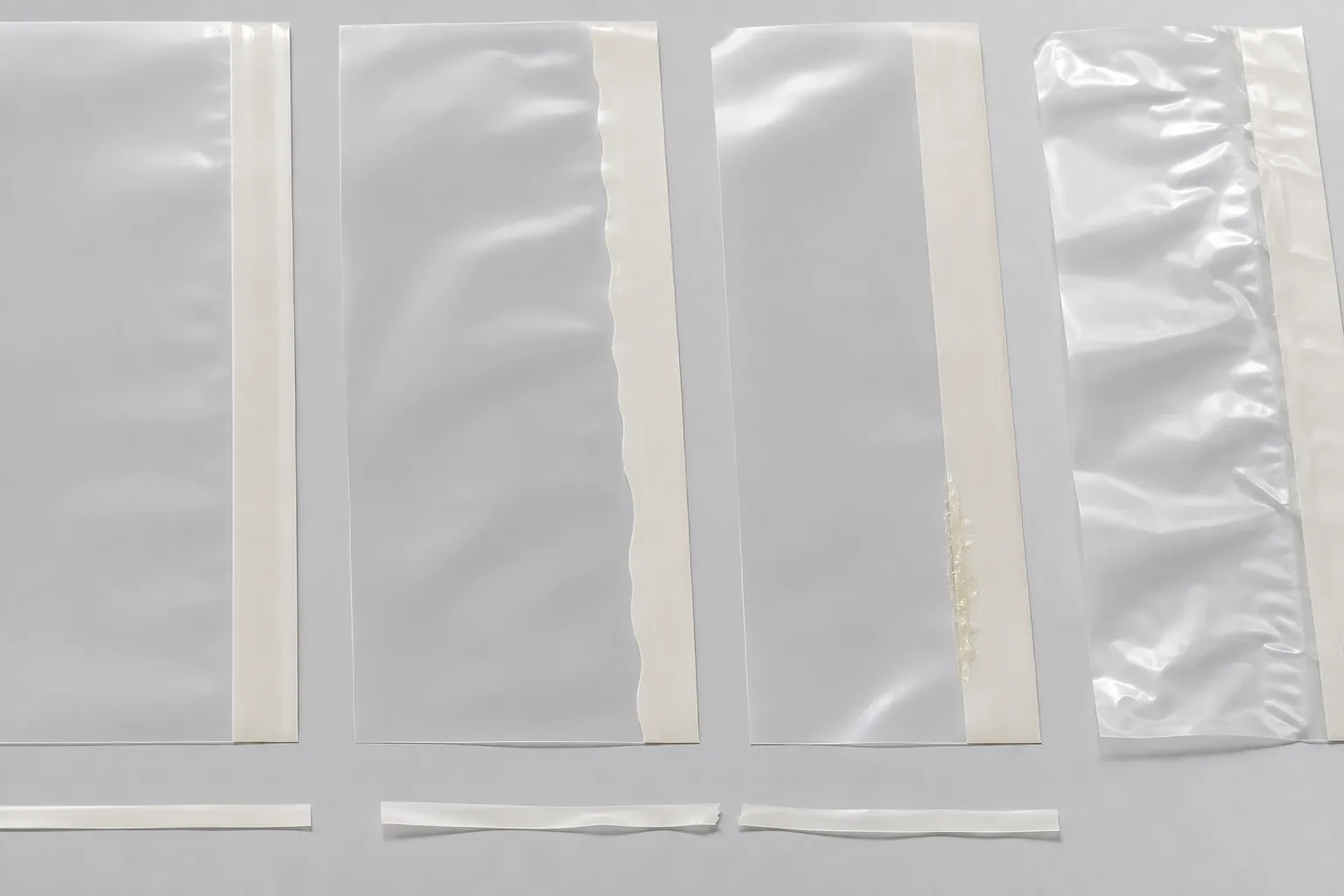
Packaging & Paper
Food Packaging Film Trimming for Seal-Area Cleanliness
Review food packaging film edge trimming for clean seal margins, steady web width, low debris, accurate print position, and stable rewinding.
Read the application guide →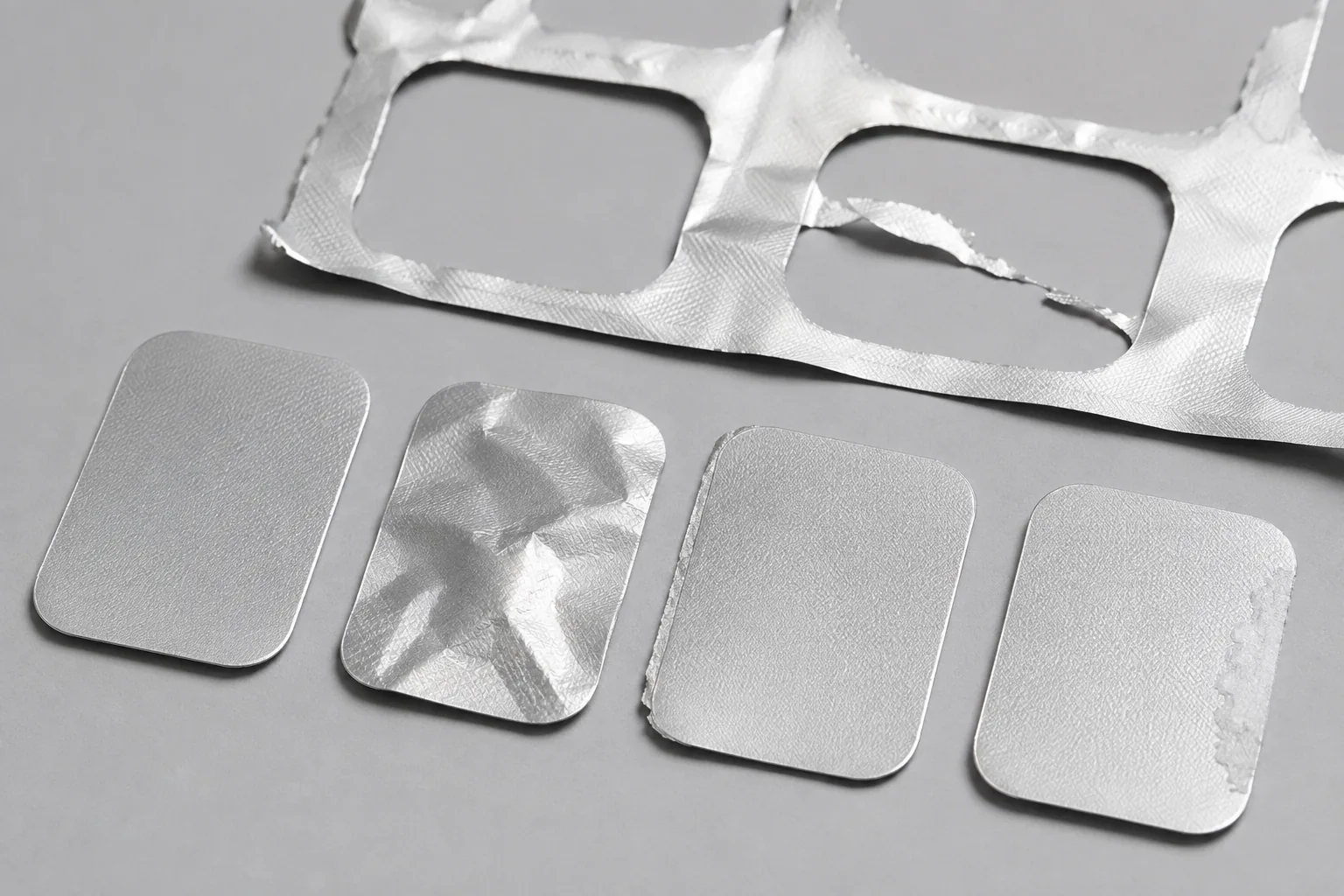
Packaging & Paper
Blister Lidding Foil Cutting Without Wrinkle Damage
Plan blister lidding foil cutting around profile accuracy, low burrs, intact lacquer layers, controlled scrap release, and wrinkle-free handling.
Read the application guide →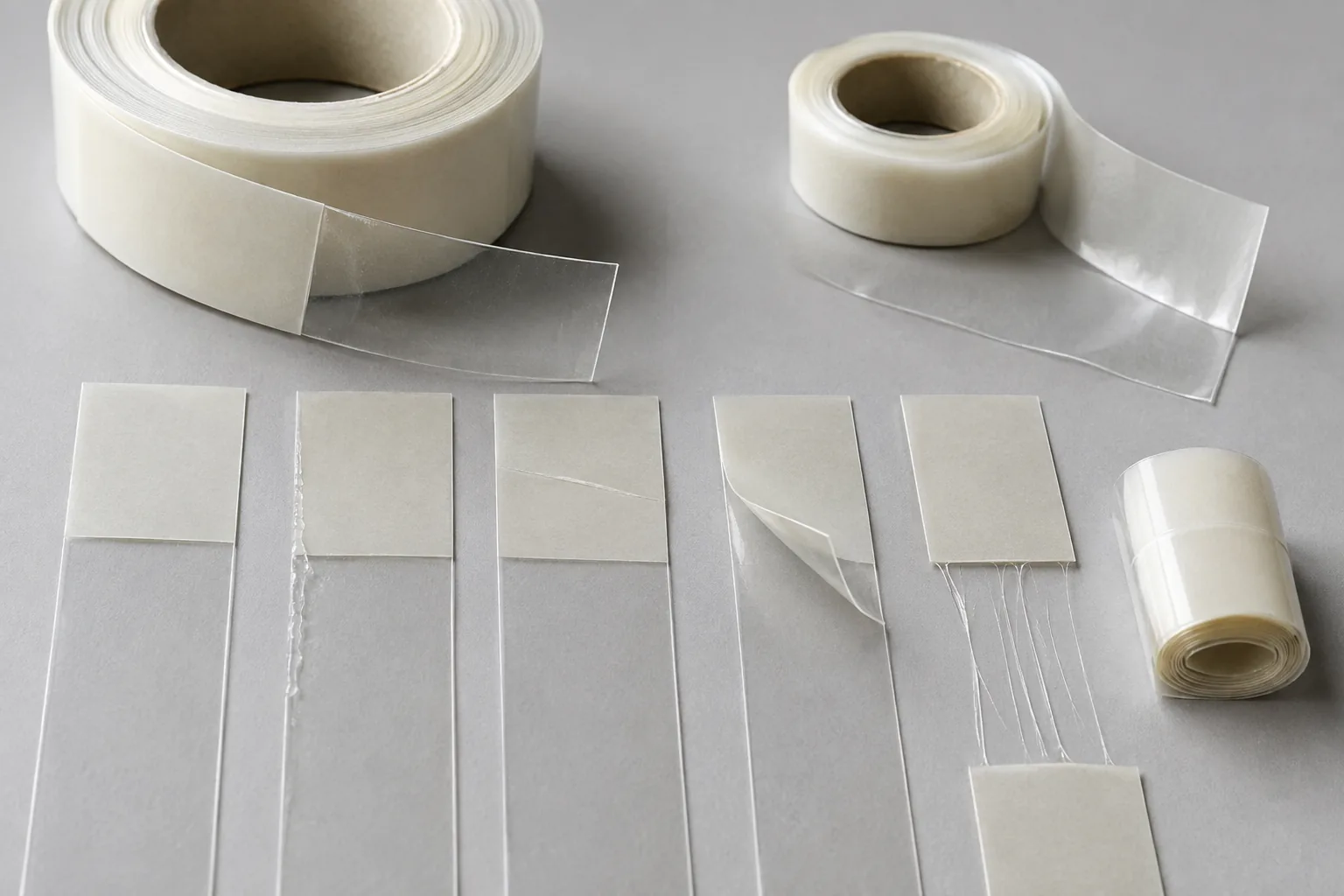
Packaging & Paper
Protective Film Slitting With Adhesive and Liner Control
Review adhesive protective film slitting for clean edges, controlled adhesive ooze, intact liners, accurate lanes, and stable narrow-roll rewind.
Read the application guide →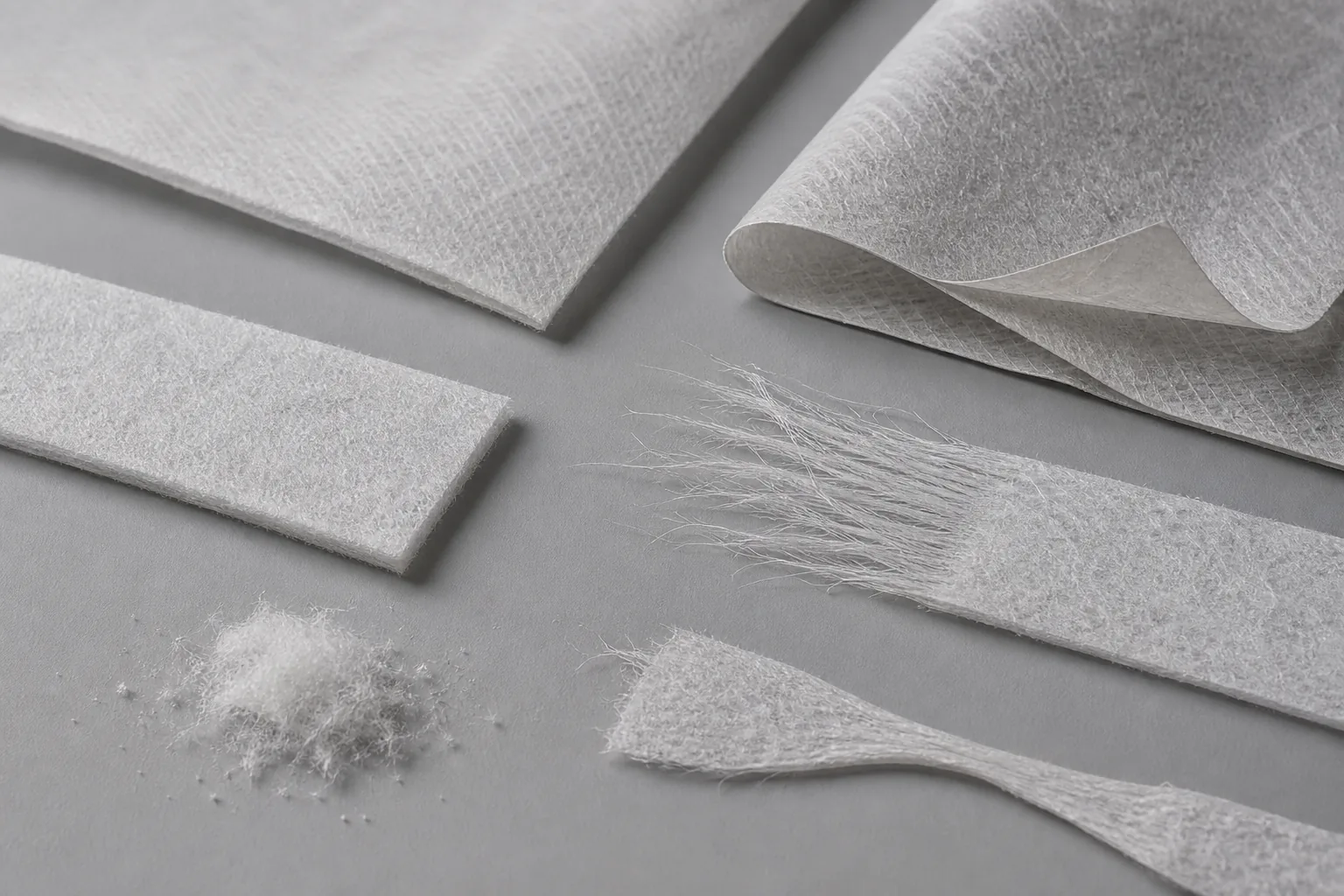
Packaging & Paper
Nonwoven Packaging Web Cutting Without Fiber Drag
Plan nonwoven packaging web cutting for low fuzz, complete fiber separation, controlled stretch, accurate widths, and clean roll or sheet handling.
Read the application guide →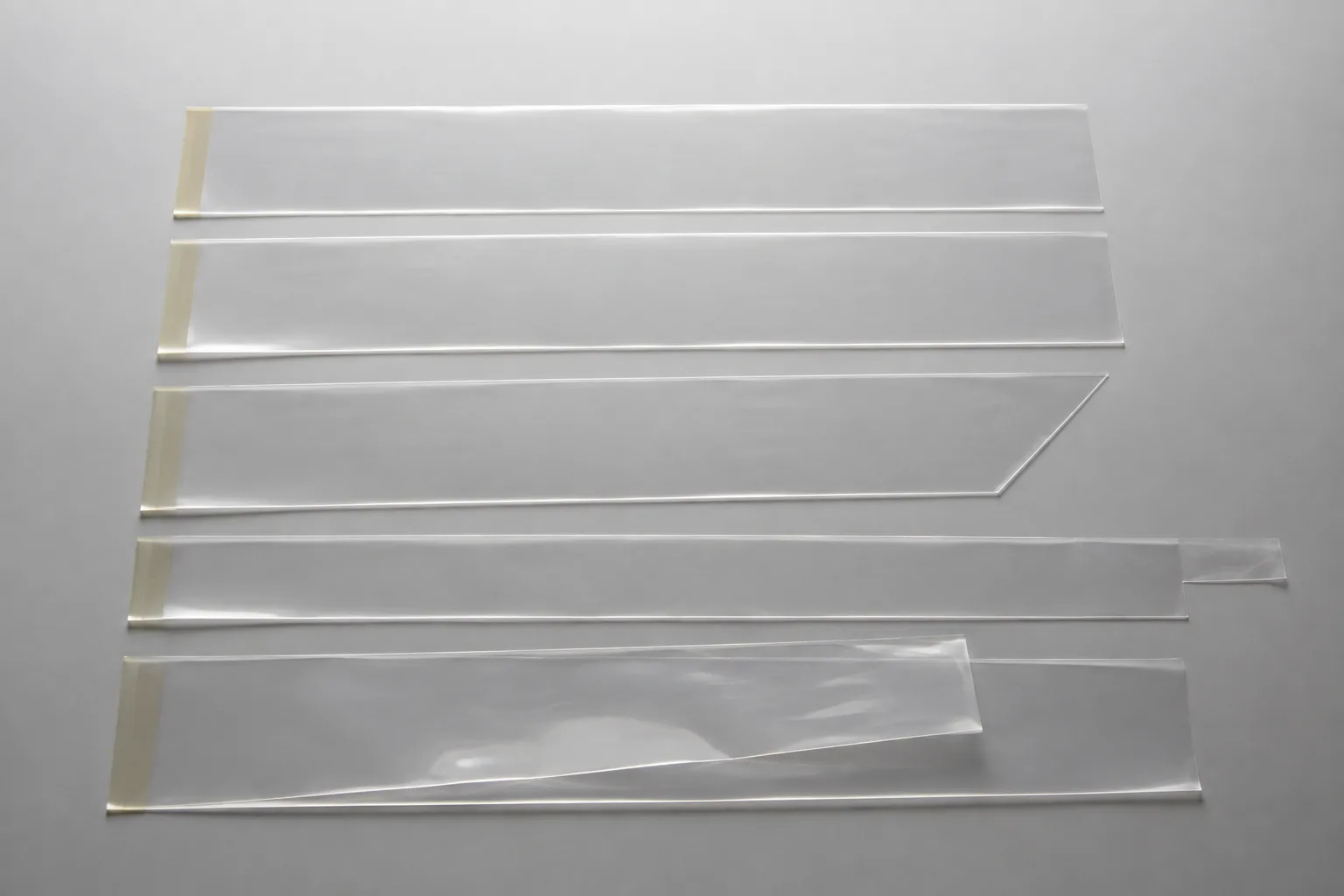
Packaging & Paper
Pouch Film Cross Cutting for Accurate Bag Length
Review pouch-film cross cutting for stable repeat length, square ends, clean laminate edges, accurate print registration, and reliable blank handling.
Read the application guide →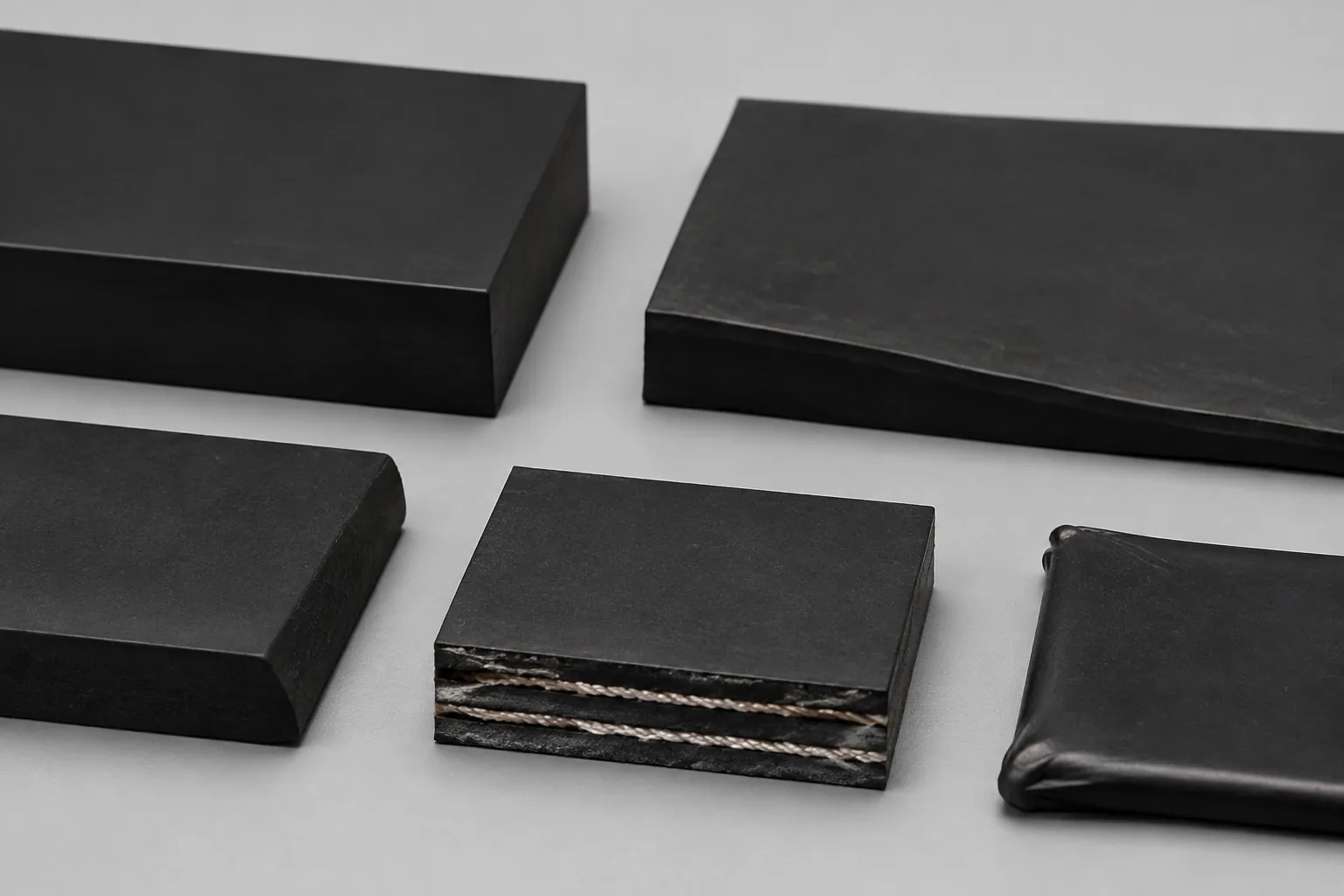
Rubber, Tires & Gaskets
Industrial Rubber Sheet Cutting Without Edge Deformation
Review industrial rubber sheet cutting for square edges, low stretch, accurate recovered dimensions, clean reinforcement, and efficient blank layouts.
Read the application guide →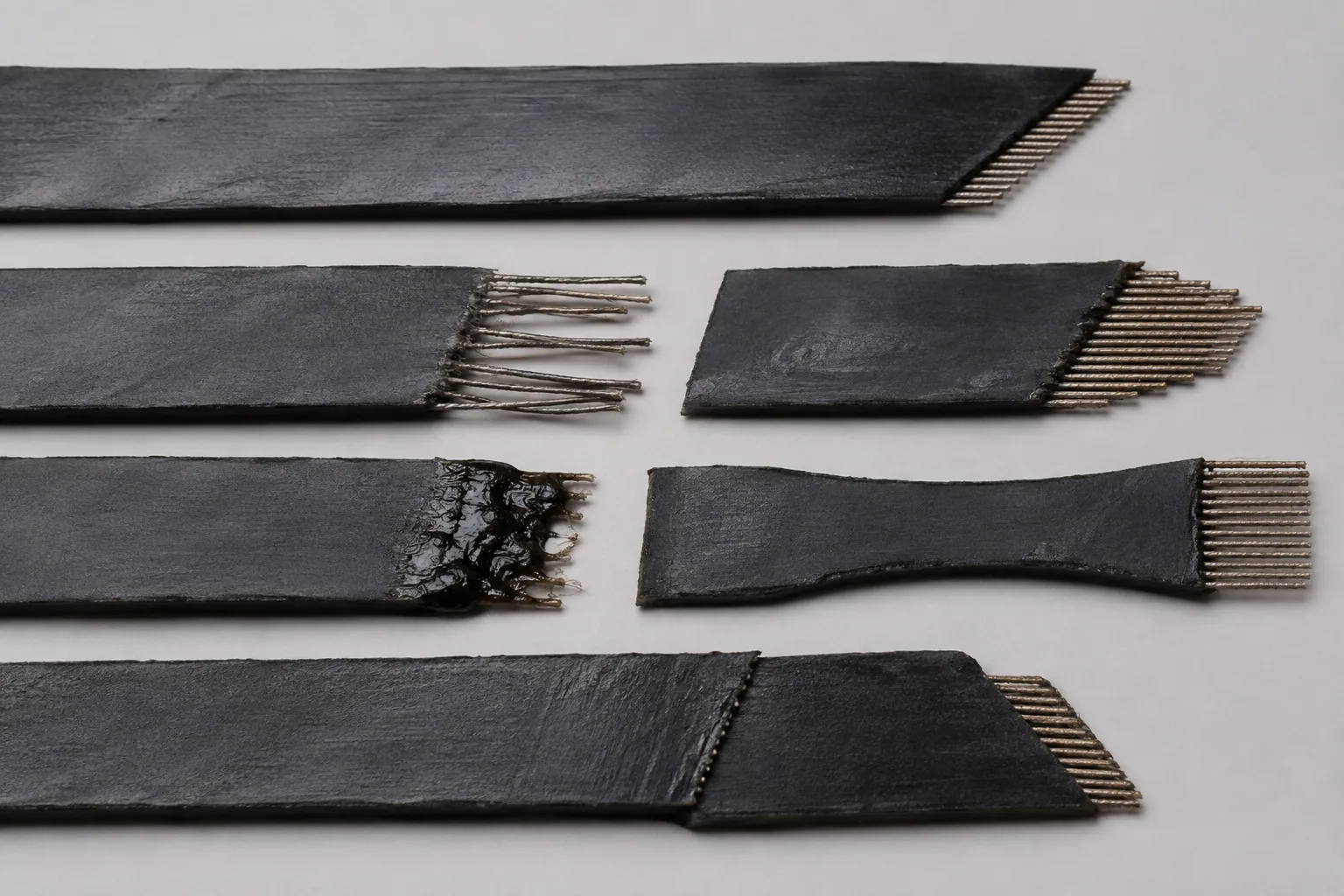
Rubber, Tires & Gaskets
Rubberized Tire Cord Slitting Without Cord Pullout
Review rubberized tire cord slitting for stable bias angle, clean cord separation, low gum smear, controlled strip width, and accurate splicing edges.
Read the application guide →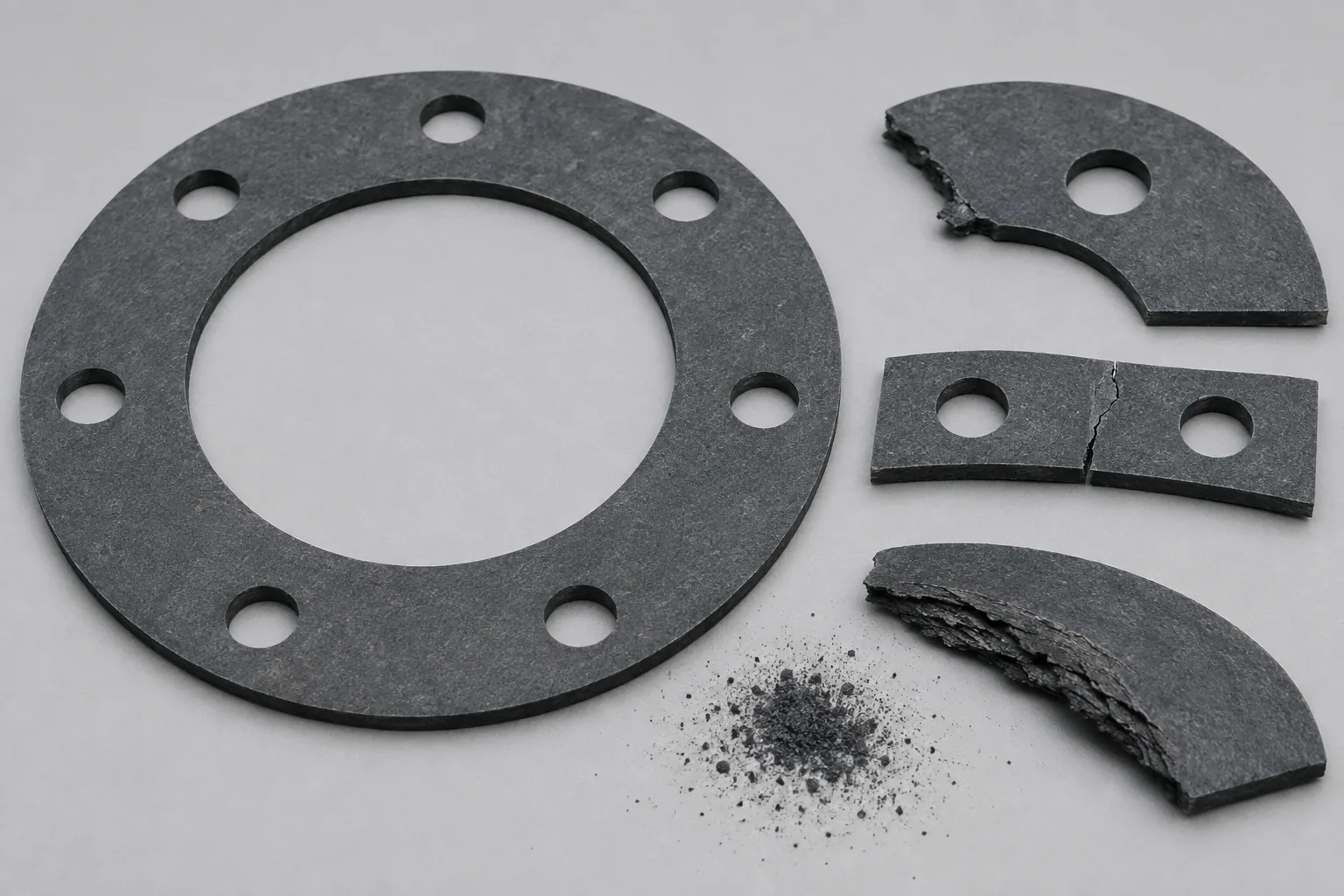
Rubber, Tires & Gaskets
Gasket Sheet Profile Cutting for Clean Bolt Holes
Review compressed gasket sheet profile cutting for round bolt holes, intact narrow webs, accurate contours, low dust, and minimal edge breakout.
Read the application guide →Industrial Blade Application Guides: From Material to Cutting Edge
Reliable cutting comes from a system, not a single hardness number. Industrial blade technology connects the processed material, cutting method, machine condition, blade material, heat treatment, geometry, grinding accuracy and maintenance practice.
This page gives engineers and buyers a practical framework for discussing blade performance with Meirente before a quotation, trial or repeat-order improvement.
Start With the Cutting Application
A thin film, abrasive glass fiber, soft food product, polymer strand and electronic ceramic sheet place very different demands on a blade. The first questions should cover material behavior, thickness, speed, cutting gap, temperature, contamination, target finish and the cost of downtime.
Material Selection Is a Balance
Tool steel, stainless steel, high-speed steel, powder-metallurgy grades, tungsten carbide and coated solutions offer different combinations of hardness, toughness, wear resistance, corrosion resistance and cost. Selection should reflect the dominant failure risk instead of using the same grade for every application.
Edge Geometry Controls How the Blade Enters the Material
Bevel angle, single- or double-bevel direction, edge thickness, tooth pitch, tooth height, rake and clearance influence cutting force, dust, burrs, heat and edge strength. A sharper edge can reduce force, but an edge that is too thin may chip or deform under impact.
Heat Treatment, Grinding and Surface Engineering
Heat treatment develops the material properties required by the design. Precision grinding then controls flatness, parallelism, runout, concentricity and final edge geometry. Surface finishing or coating may help with wear, friction, corrosion or material adhesion when the application and base material justify it.
Measurement and Failure Feedback
Inspection confirms whether the blade matches the agreed specification; production feedback confirms whether the specification matches the real process. Photos and records of wear, chipping, deformation, burrs, dust, motor load, heat and cutting hours help separate material problems from alignment, gap, vibration or contamination issues.
Is higher hardness always better?
No. Higher hardness can improve wear resistance but may reduce toughness. The correct balance depends on impact, material abrasiveness and machine stability.
Why does the same blade wear differently on two machines?
Alignment, holder condition, cutting gap, speed, cooling, vibration, contamination and processed material can all change blade life.
When should a coating be considered?
Consider it when wear, friction, corrosion or adhesion is a defined problem and the coating is compatible with the base material, edge and operating temperature.
What information helps diagnose chipping?
Provide the chipped location, installation direction, holder condition, cutting gap, speed, processed material, contamination risk and close-up photos.
Can edge geometry be changed without changing the machine?
Sometimes, but the blade-holder interface, clearance and cutting method must be reviewed before any geometry change is approved.