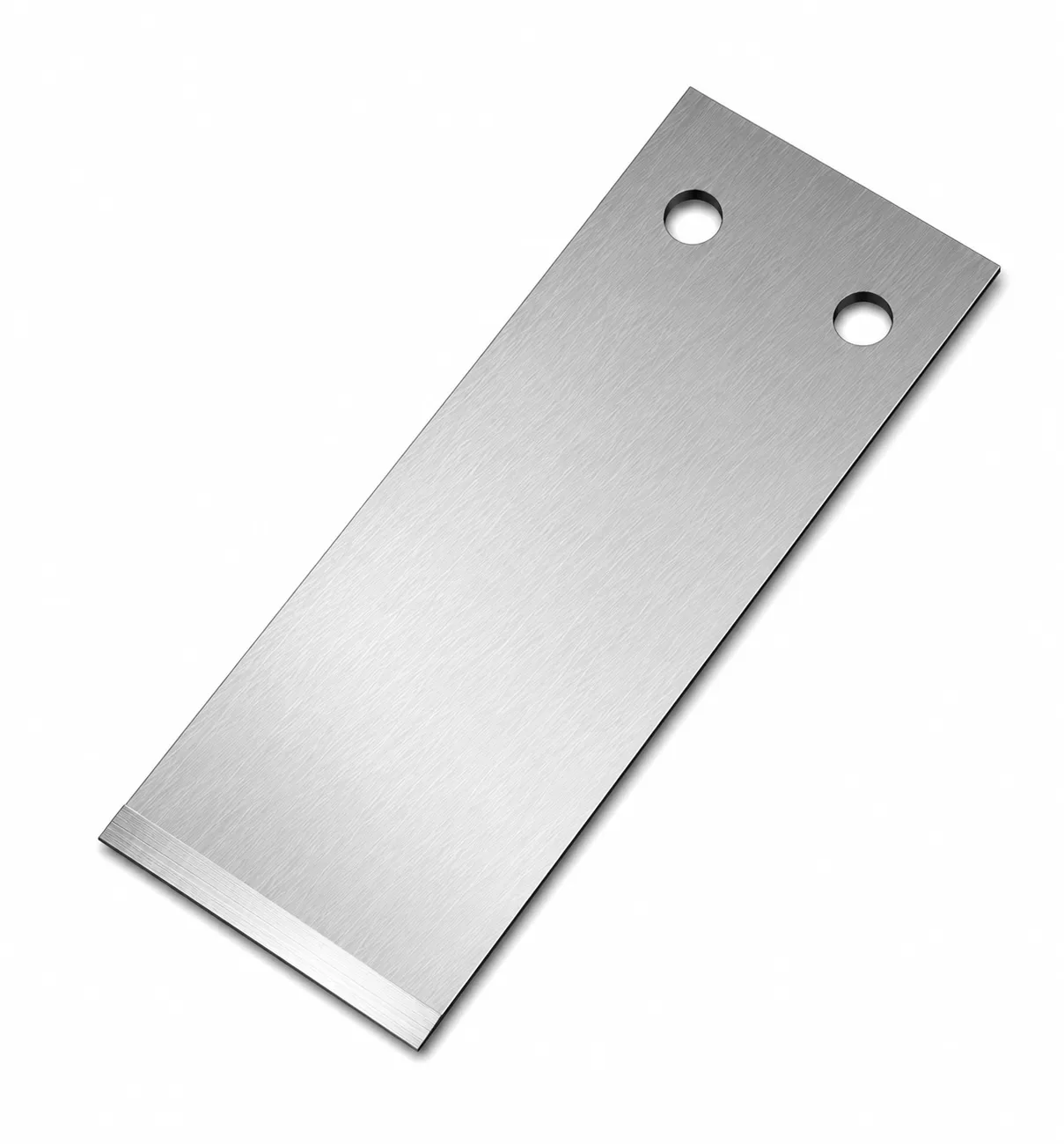
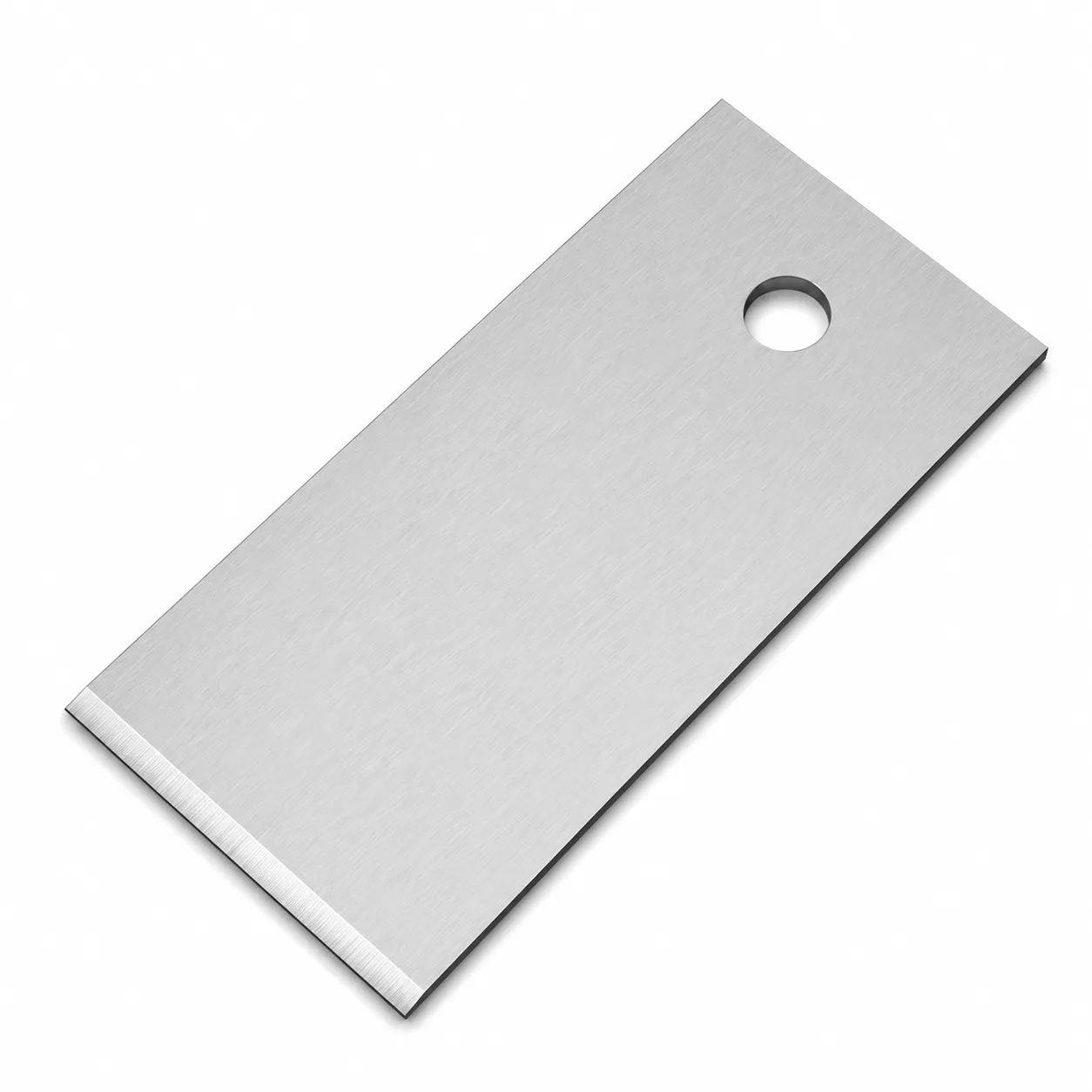
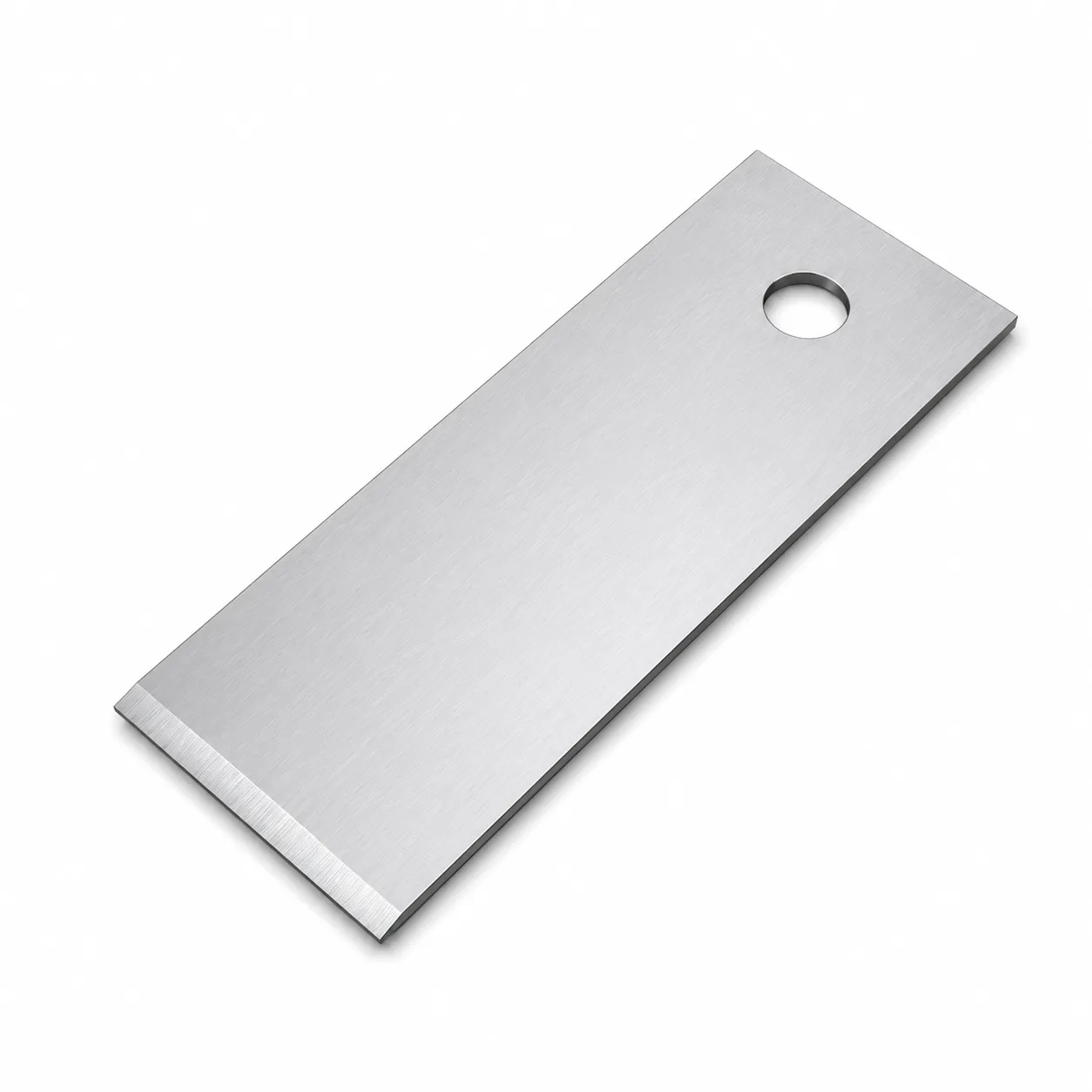
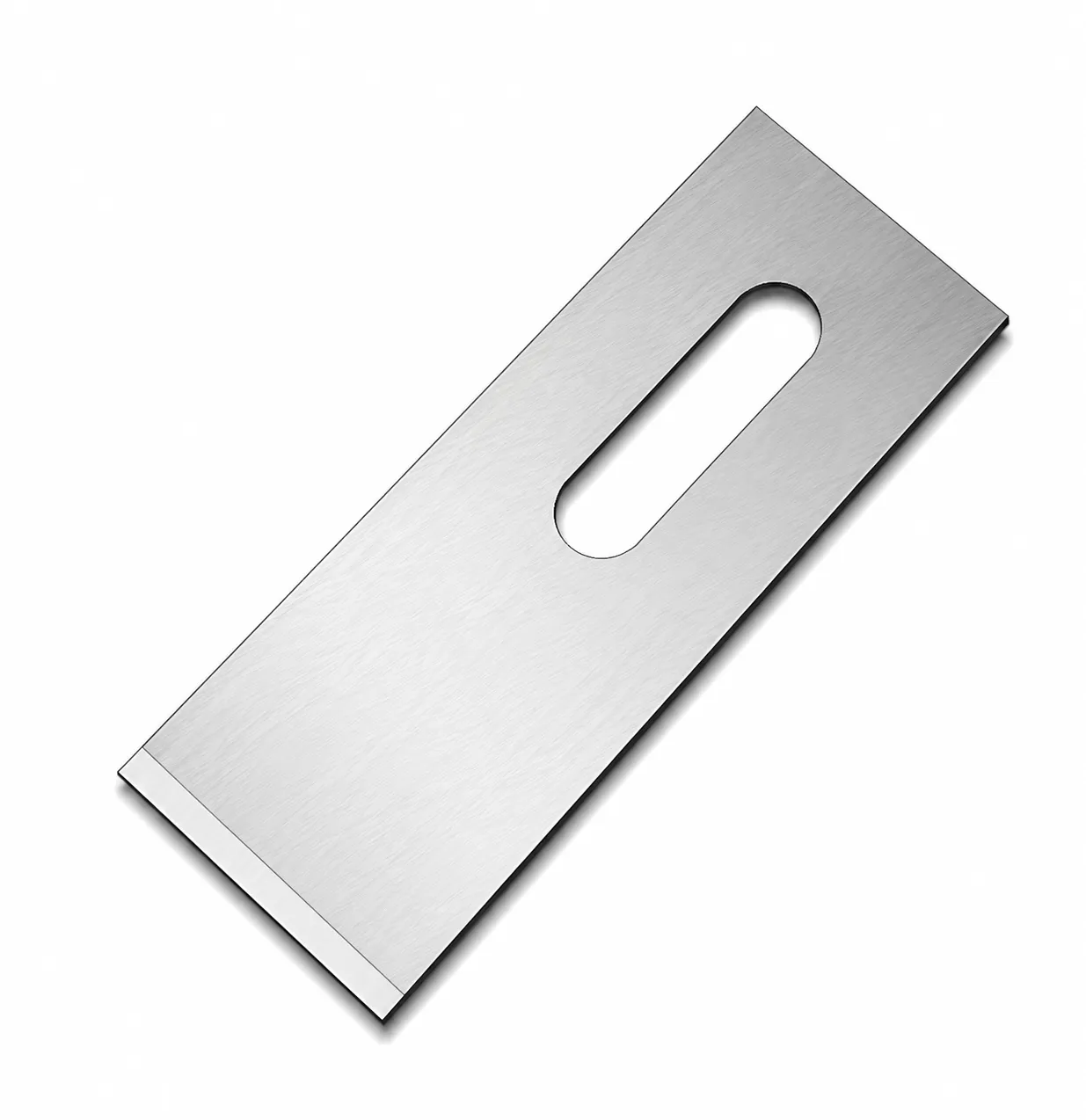
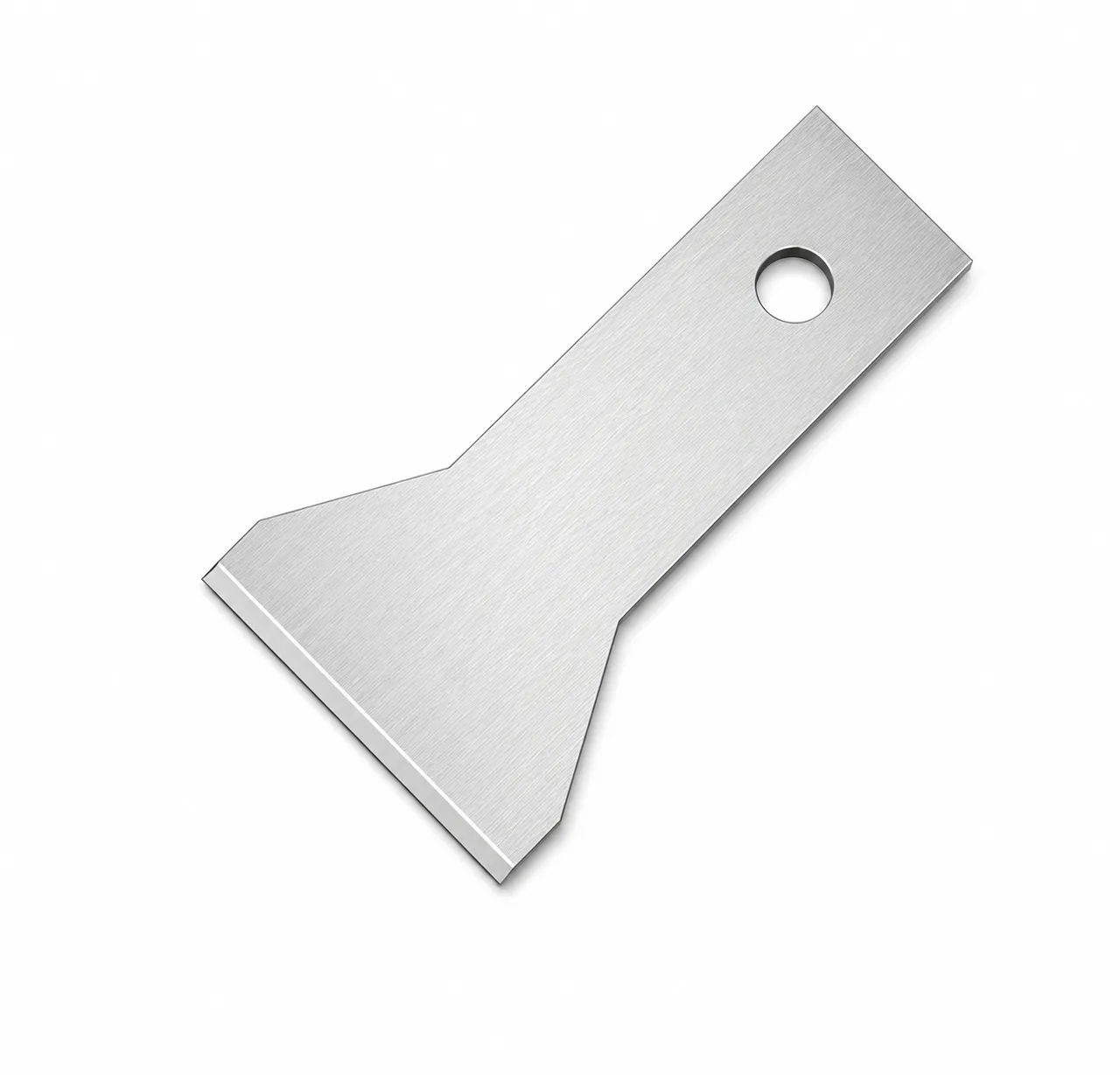
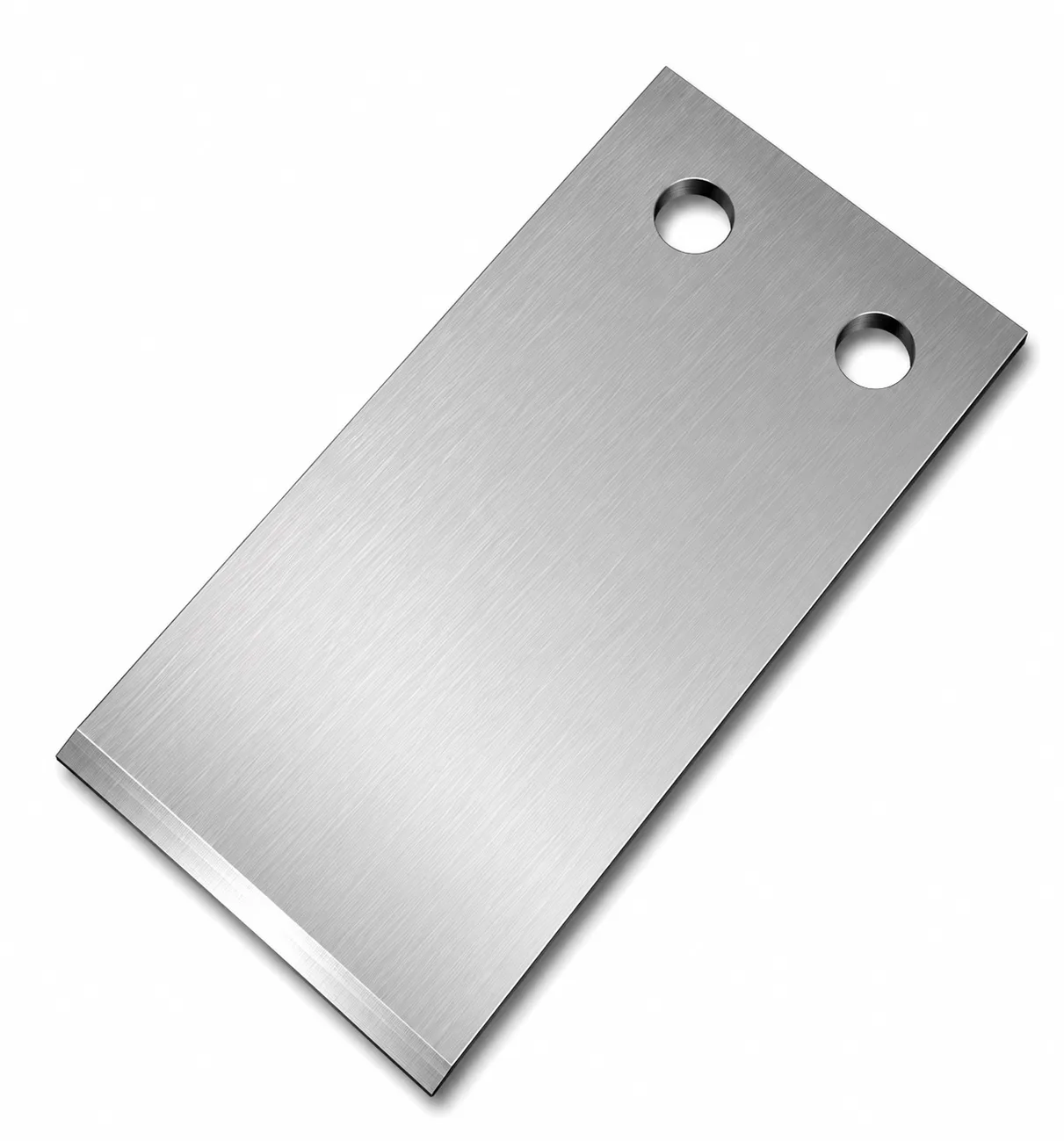
Pelletizer Knives
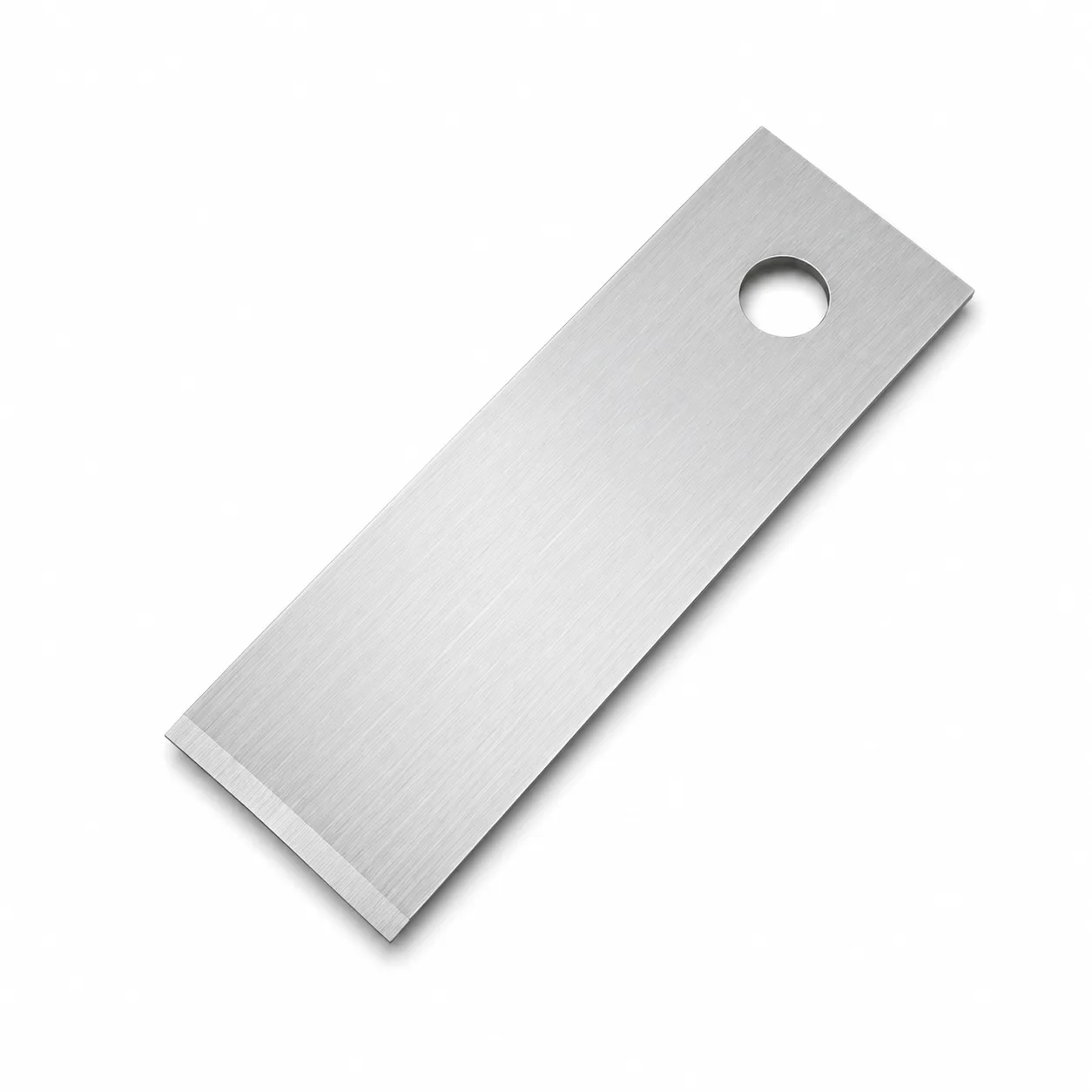
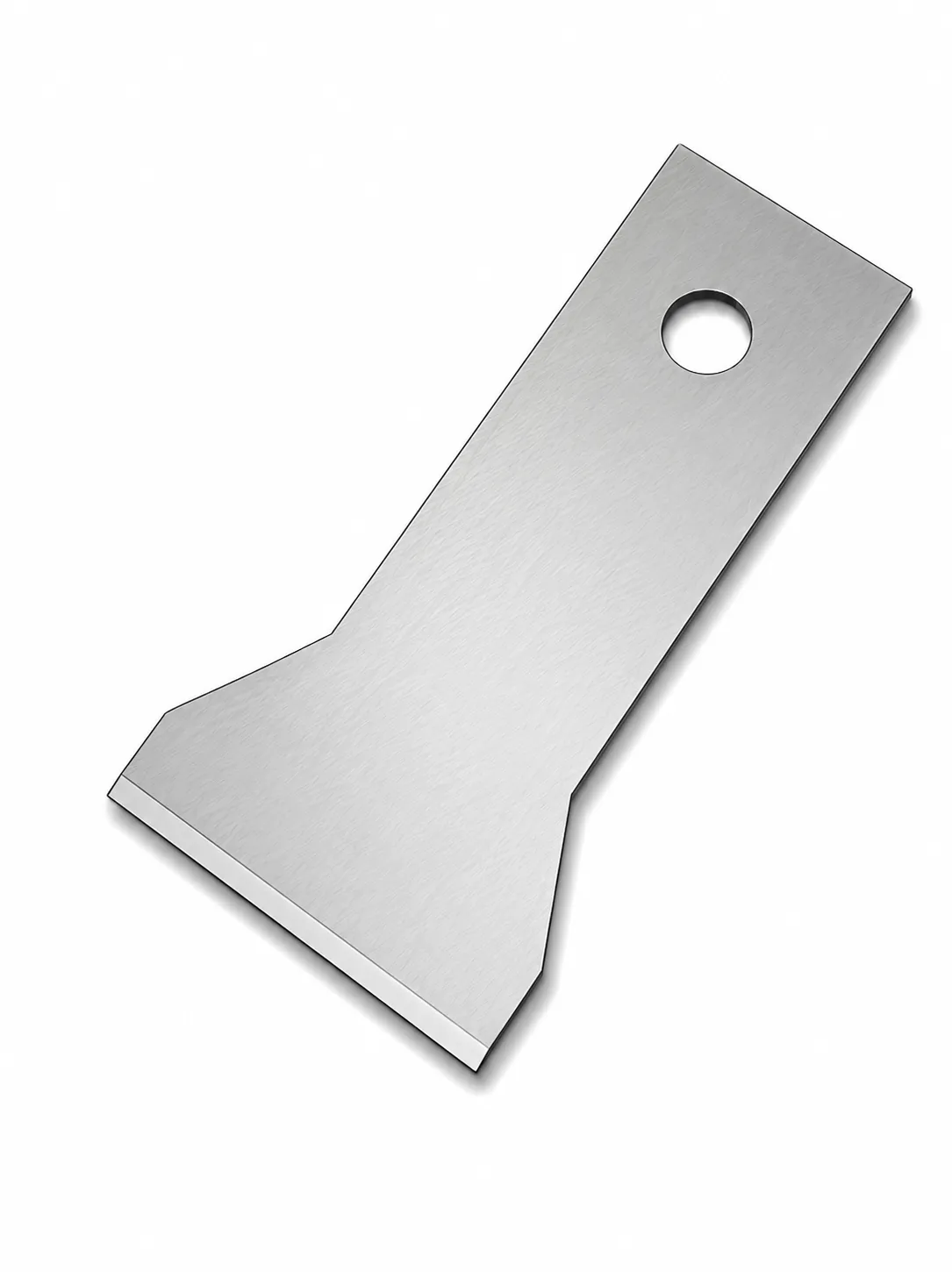
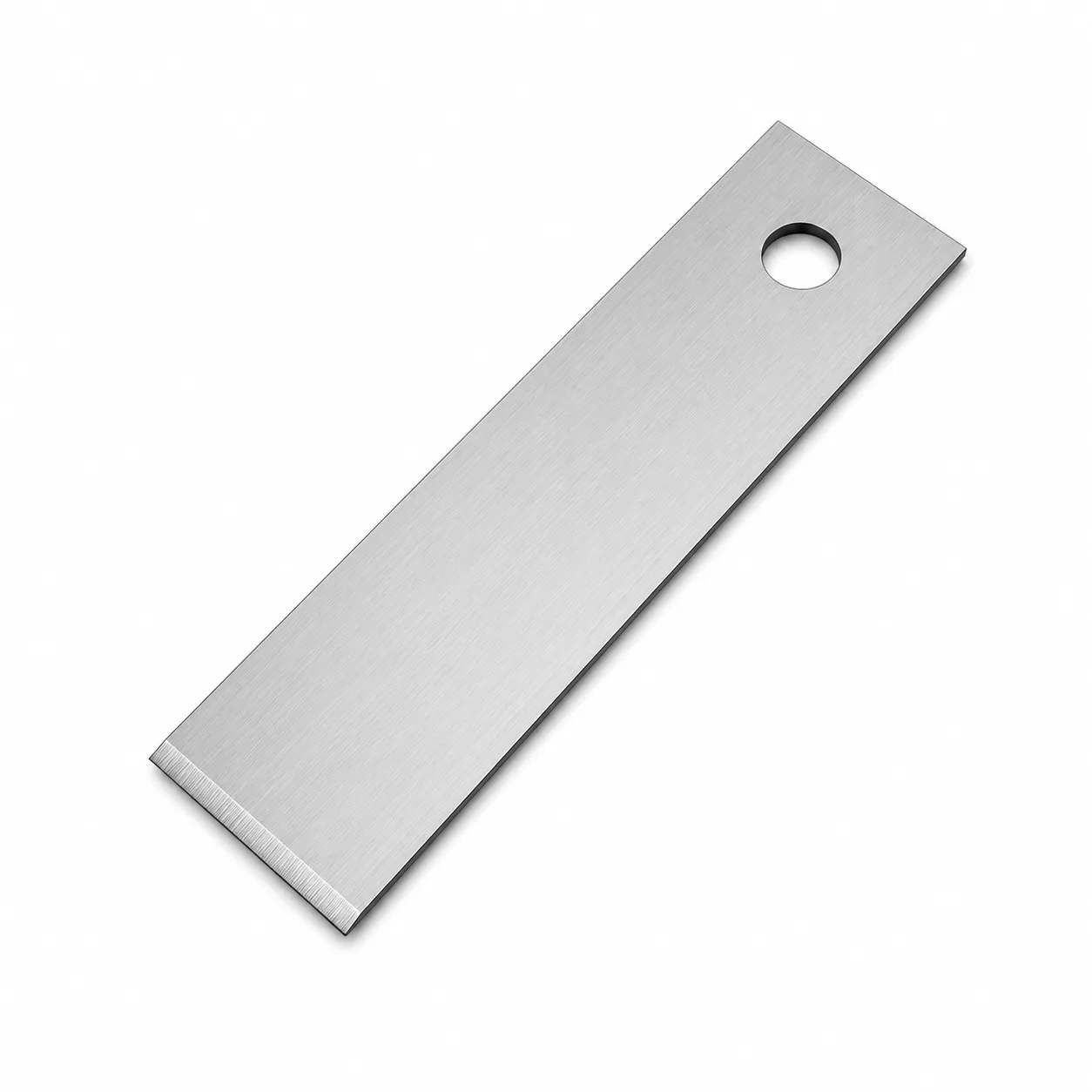
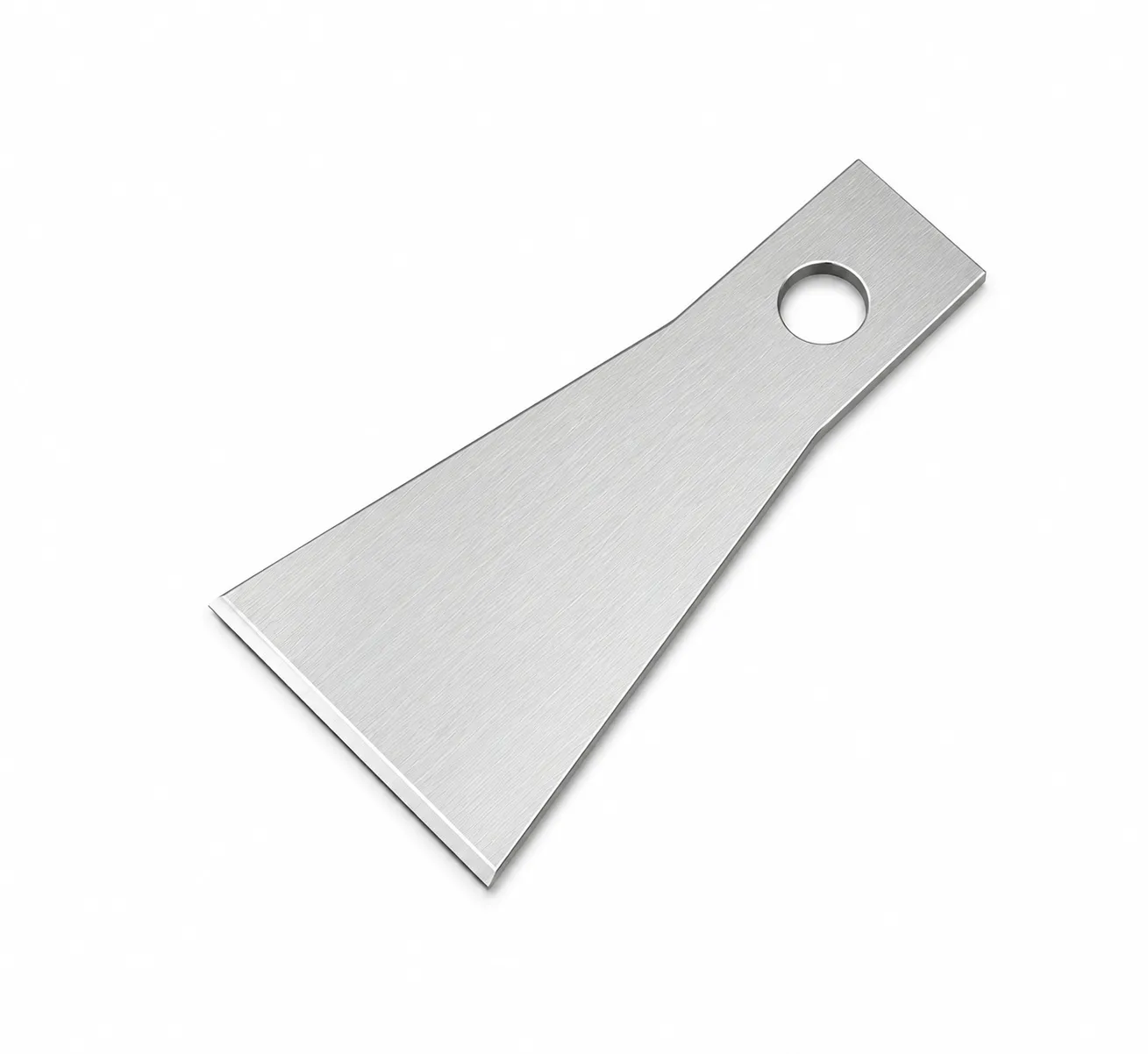
Pelletizer knives are manufactured to the confirmed machine interface and blade specification. Selection should account for the processed material, operating conditions and the balance required between wear resistance and edge toughness.
Pelletizing Equipment and Process
Pelletizer knives are used with strand, die-face, water-ring, underwater and other cutting arrangements. The correct blade depends on the cutter design, processed polymer, filler content, temperature, speed and contact or clearance condition.
Material, Heat Treatment and Coating
High-speed steel, tool steel, carbide and application-specific materials provide different balances of wear resistance and toughness. Heat treatment, grinding and optional anti-stick coating should be matched to the failure mode rather than selected as isolated features.
Replacement and OEM Supply
Machine make and model can provide a useful reference, but an approved drawing or sample is the final basis for non-standard production. Mounting features, working edge, rotation, quantity and inspection points should be recorded for repeat orders.
What to confirm for a pelletizer knife inquiry
- Pelletizer make, model or an approved blade drawing
- Blade dimensions, holes, slots and working edge
- Processed material and relevant operating conditions
- Required material, hardness, heat treatment and inspection points
For a custom review, send the drawing or sample dimensions together with the machine and application details you already have. Final specifications are confirmed before production.
Direct answers for blade buyers
Questions Buyers Ask About Pelletizer Knives
What are Pelletizer Knives used for?
Pelletizer knives are manufactured to the confirmed machine interface and blade specification. Selection should account for the processed material, operating conditions and the balance required between wear resistance and edge toughness.
What information is needed to select or quote Pelletizer Knives?
Confirm pelletizer make, model or an approved blade drawing; blade dimensions, holes, slots and working edge; processed material and relevant operating conditions. Include the required quantity and any current cutting defect when available.
Can MEIRENTE customize Pelletizer Knives?
MEIRENTE reviews non-standard industrial knife requests from an approved drawing or sample. Final dimensions, mounting features, material, hardness and edge geometry are confirmed before production.
Application decision table
Choose by Workpiece and Cutting Problem
Use these representative applications to narrow the knife family before confirming dimensions and operating conditions.
Blade selection by application
Plastic Pelletizing, Granulating and Recycling Knife Applications
Select pelletizer and granulator knives according to polymer type, feed form, machine interface, throughput target and the wear or chipping pattern seen on the current knife.
Strand pelletizer knives
Strand pelletizing requires consistent cut length, stable bed-knife contact and an edge that withstands the polymer formulation and production rate.
Granulator and recycling blades
Recycling systems need rotor and fixed knives matched to contaminated feedstock, impact loading, screen size and required output consistency.
Rubber and engineered polymer cutting
Filled polymers and rubber compounds can introduce heat, abrasion and impact conditions that change material, hardness and edge requirements.
Underwater pelletizing knife systems
Underwater pelletizers require stable knife-to-die contact, corrosion-aware materials and controlled wear to maintain pellet shape during continuous hot-polymer cutting.
Strand pelletizer rotor and bed knives
Strand lines rely on coordinated rotor and stationary knives to pull and shear polymer strands without flattening, long tails or irregular pellet length.
Masterbatch and filled-compound pellet cutting
Pigments, mineral fillers and reinforcing fibers can increase abrasion, so compound formulation and contamination risk should guide material and edge selection.