
Edge Trimming Application Guides
Material-specific edge-trimming guidance focused on finished width, straightness, trim removal, surface protection and downstream handling.
Browse focused application knowledge
Cutting guides by industry, process, equipment and defect
Use these curated topic pages to compare related materials and cutting conditions without relying on broad site search.
Industries
Cutting processes
Equipment types
Cutting defects
Products and services
Related Products and Custom Services
These options are most frequently connected to the application guides in this topic.
Circular Slitter Blades & Rotary Knives
153 guides in this topic reference this option.
Industrial Film Slitting Blade
85 guides in this topic reference this option.
Three-Hole Battery Foil Blade
19 guides in this topic reference this option.
Technical Articles
Industrial cutting problem knowledge base
1495 Blade Application Guides
Search by material, industry, cutting process or a problem described in your own words. You do not need to know the exact blade name.
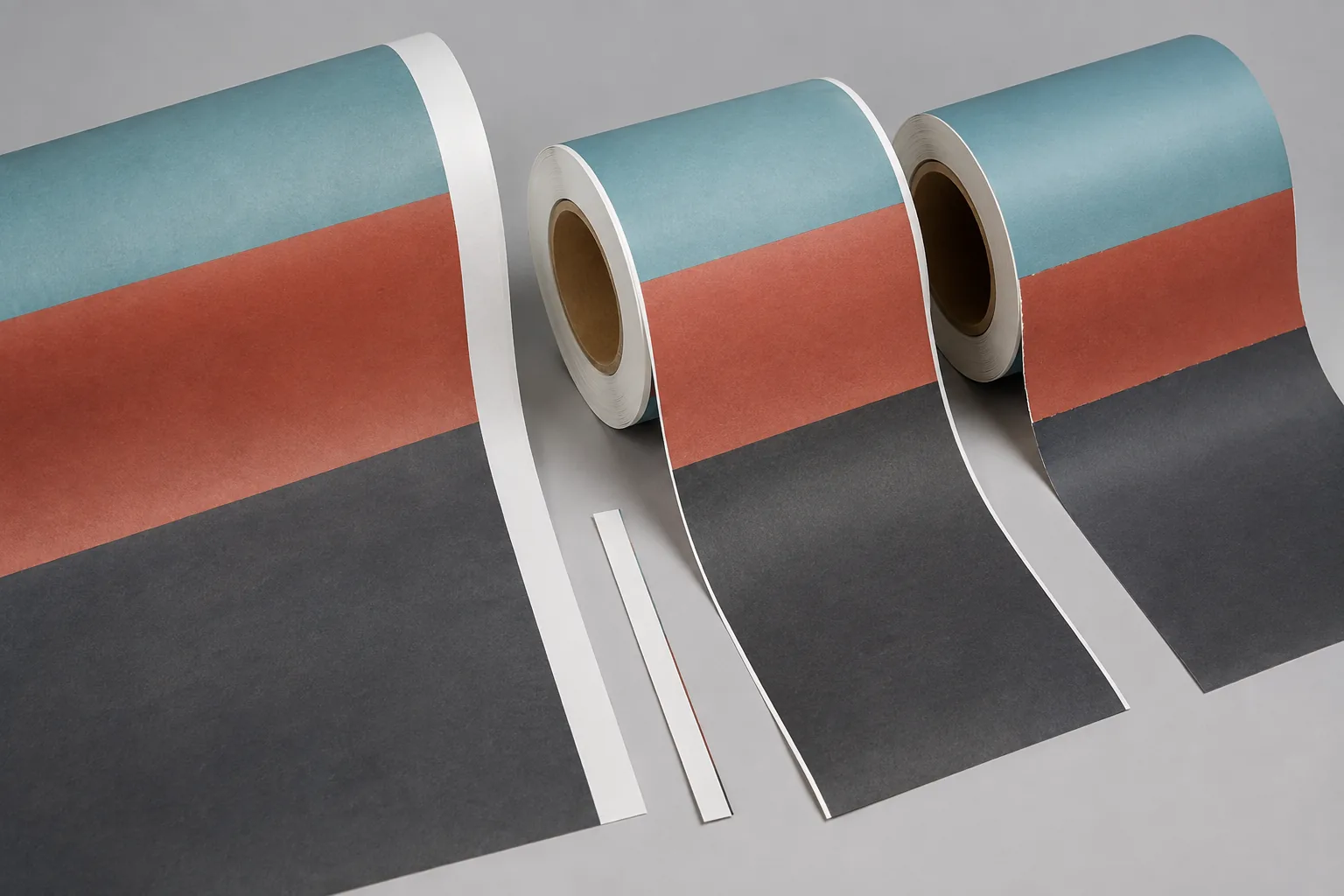
Packaging & Paper
Printed Paper Web Edge Trimming and Register Protection
Review printed paper web trimming for register margin, clean waste removal, stable tracking, and protection of ink or coating near the cut.
Read the application guide →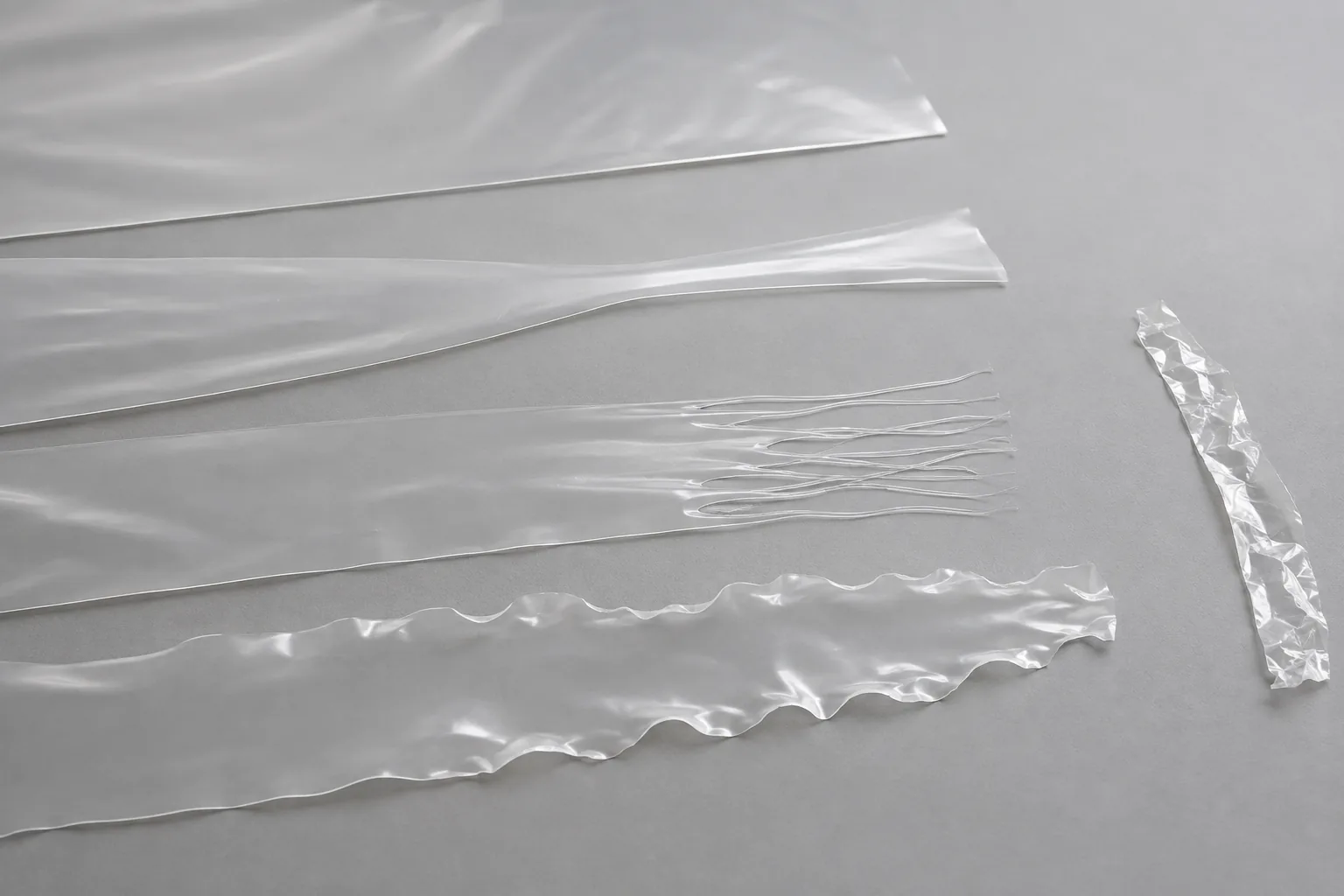
Packaging & Paper
PE Film Edge Trimming Without Stretching
Review PE film edge trimming for stretch control, stable waste removal, clean extruded edges, width accuracy, and reliable winding after conversion.
Read the application guide →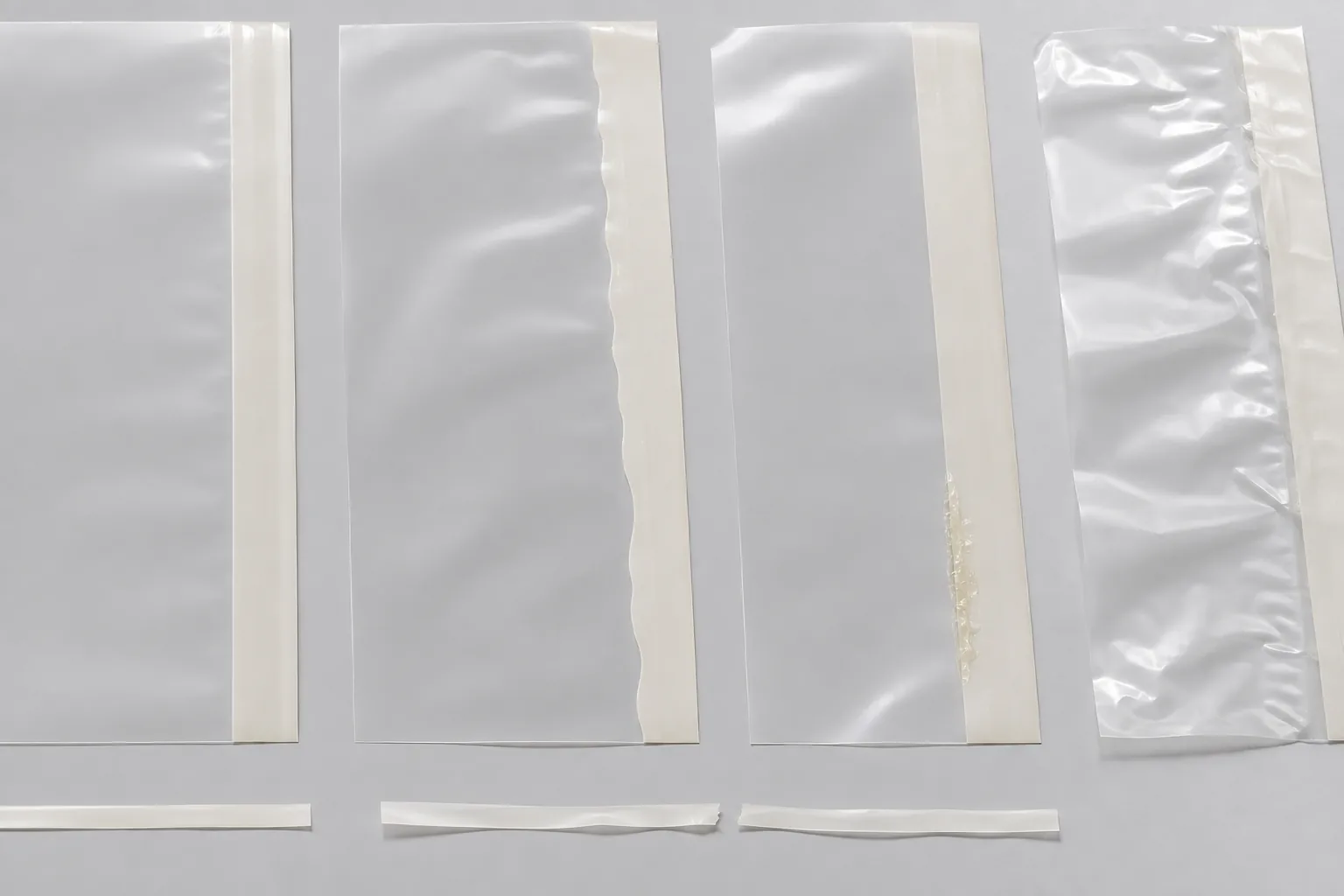
Packaging & Paper
Food Packaging Film Trimming for Seal-Area Cleanliness
Review food packaging film edge trimming for clean seal margins, steady web width, low debris, accurate print position, and stable rewinding.
Read the application guide →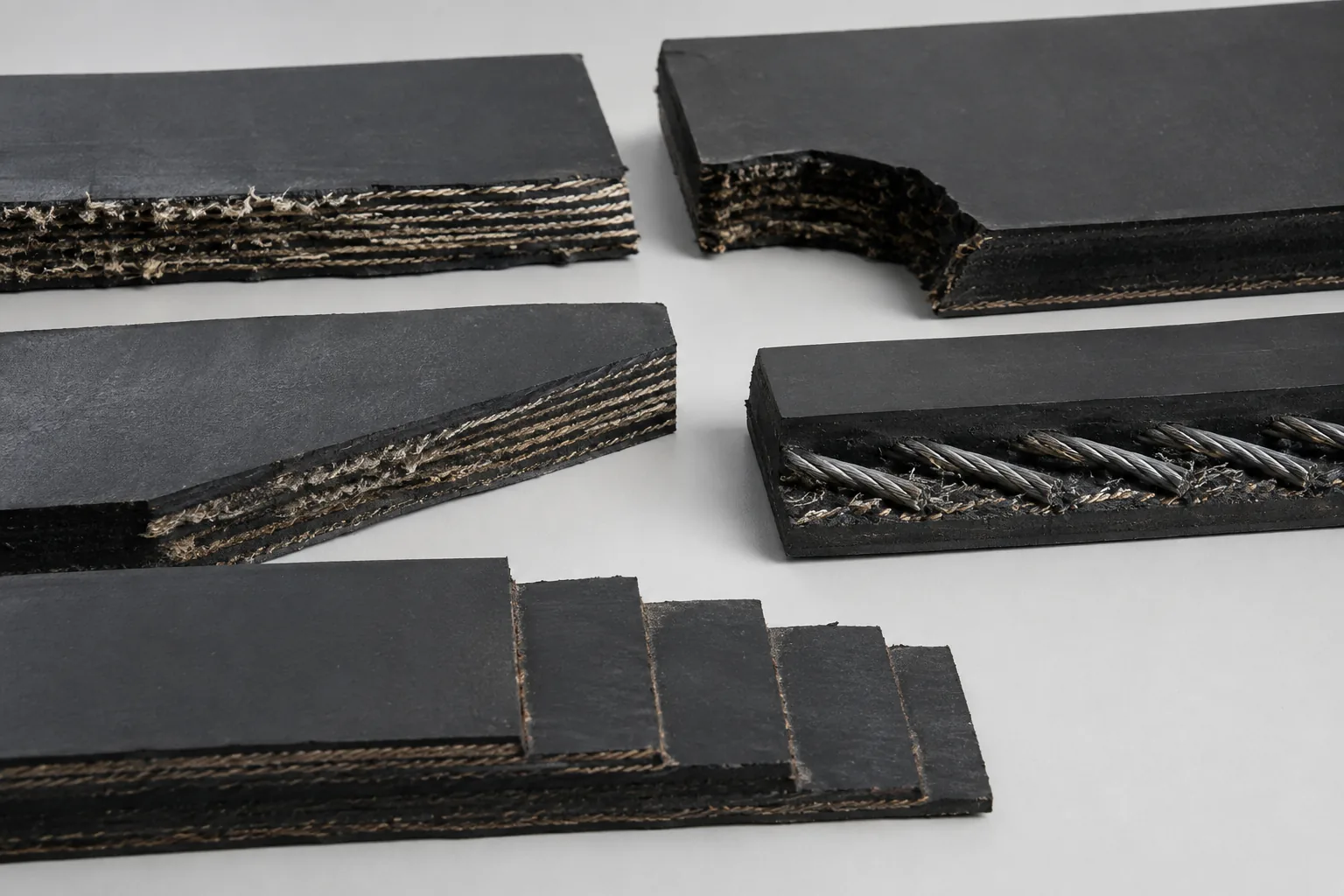
Rubber, Tires & Gaskets
Trimming Rubber Conveyor Belt Edges
Technical guidance for trimming reinforced rubber conveyor belts, focusing on ply fray, thick-section cut drift, rubber chunking and end preparation.
Read the application guide →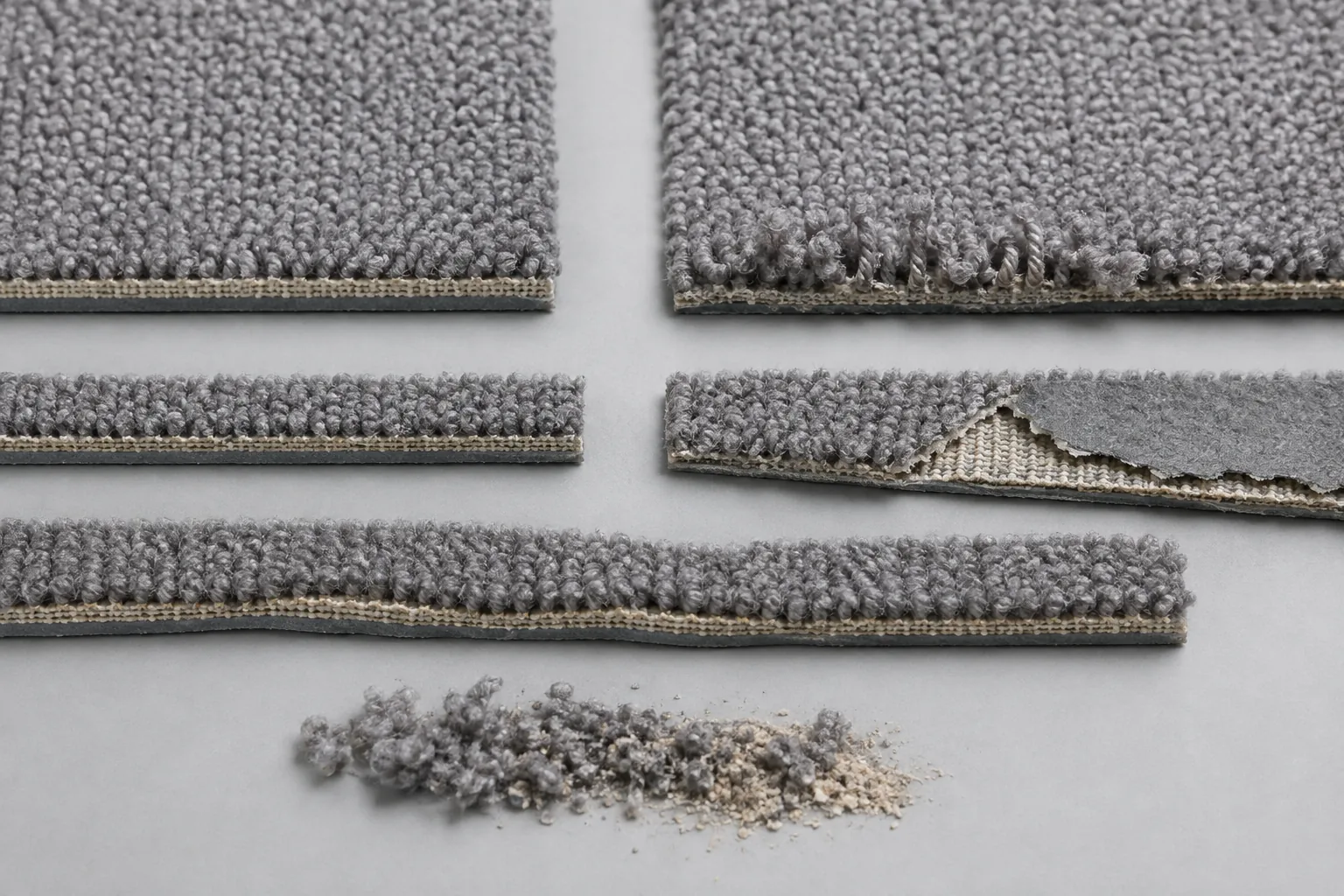
Films & Foils
Trimming Tufted Carpet Roll Edges
Guidance for trimming tufted carpet rolls with controlled pile, backing and edge geometry while reducing yarn pullout, drift and fiber buildup.
Read the application guide →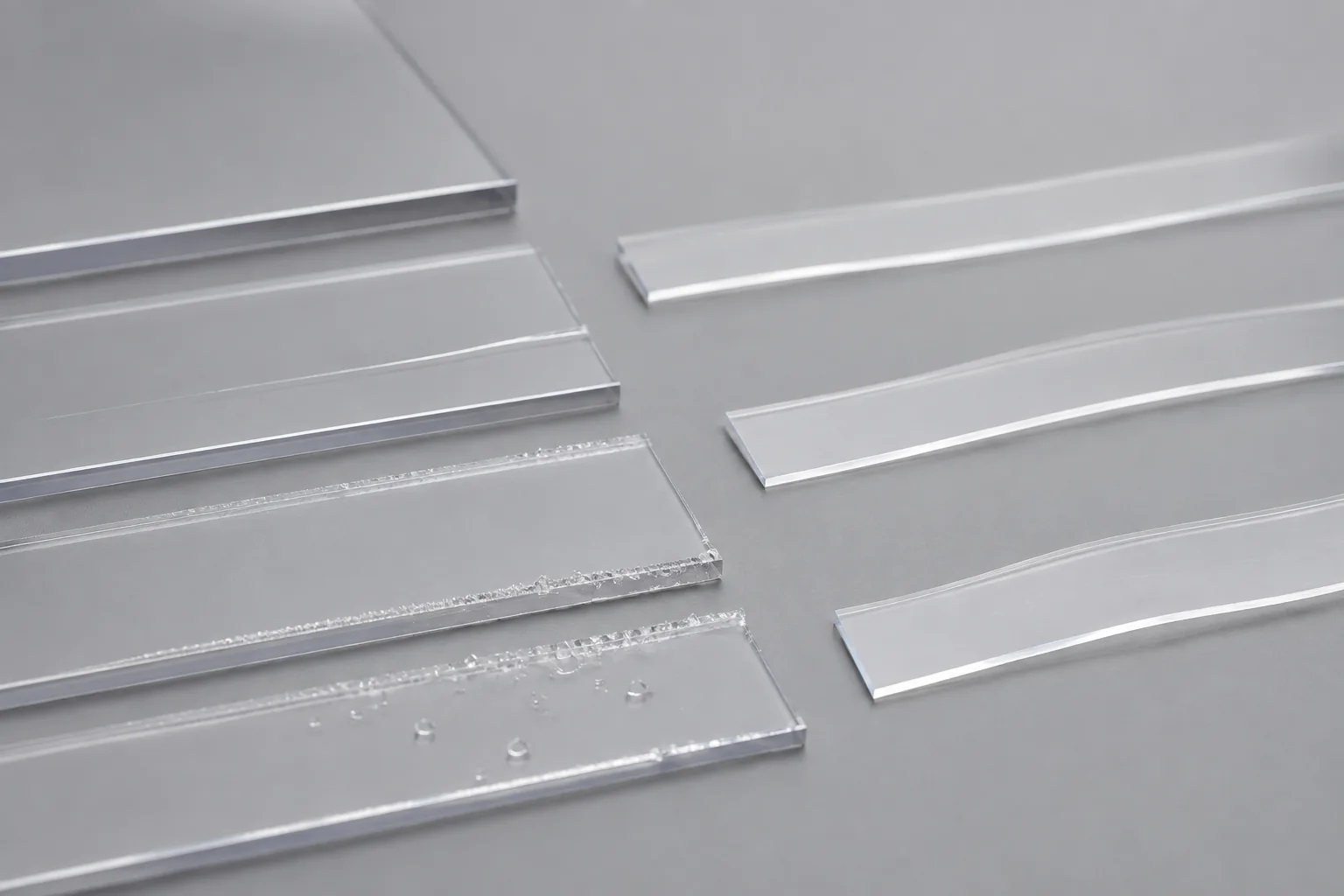
Films & Foils
Trimming PET Sheet Edges
Technical guidance for trimming PET sheet while controlling stress whitening, brittle edge cracks, plastic burrs and finished-width variation.
Read the application guide →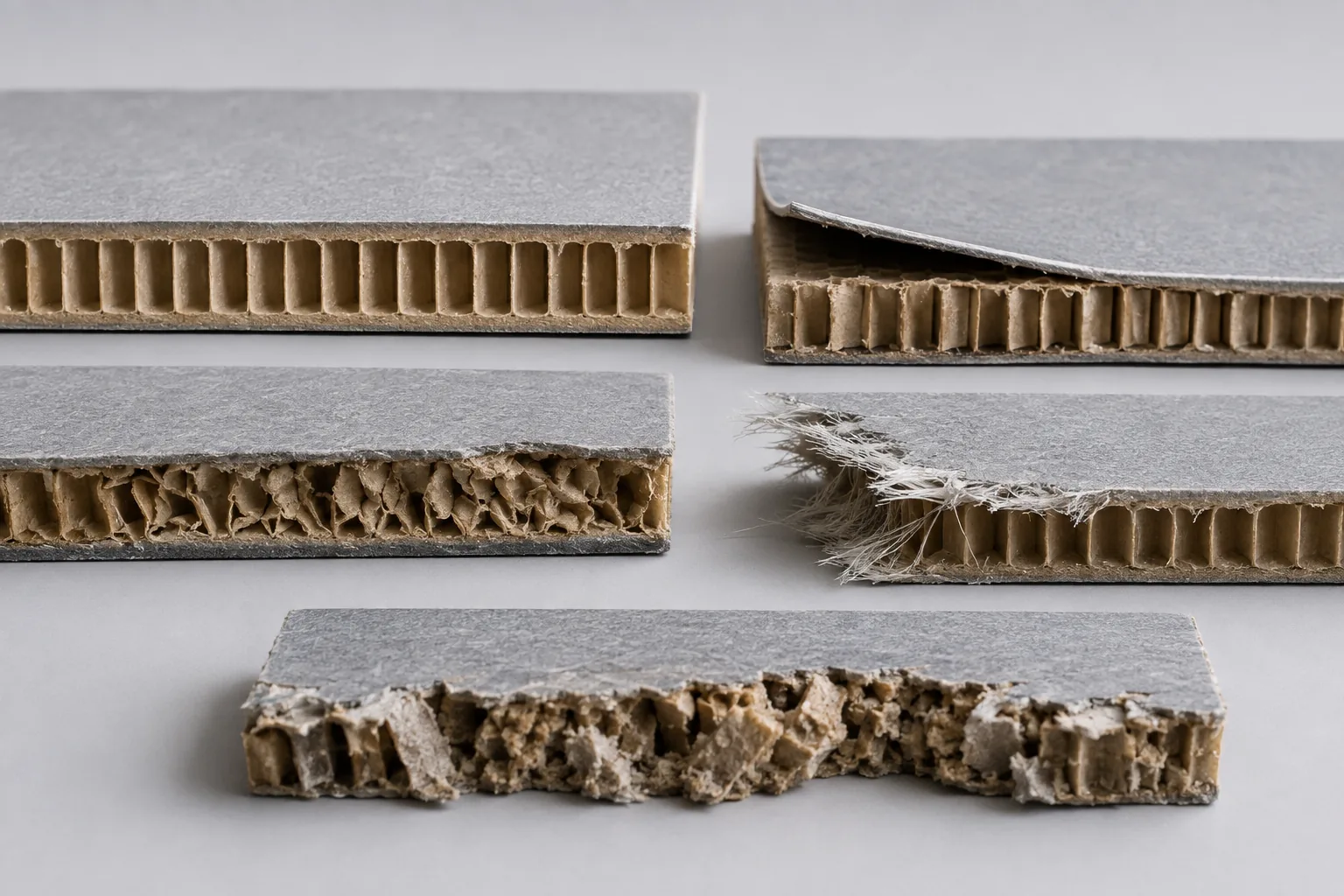
Packaging & Paper
Trimming Composite Honeycomb Panels
Guidance for trimming composite honeycomb panels while preventing face-skin delamination, core crushing, fiber breakout and rough edges.
Read the application guide →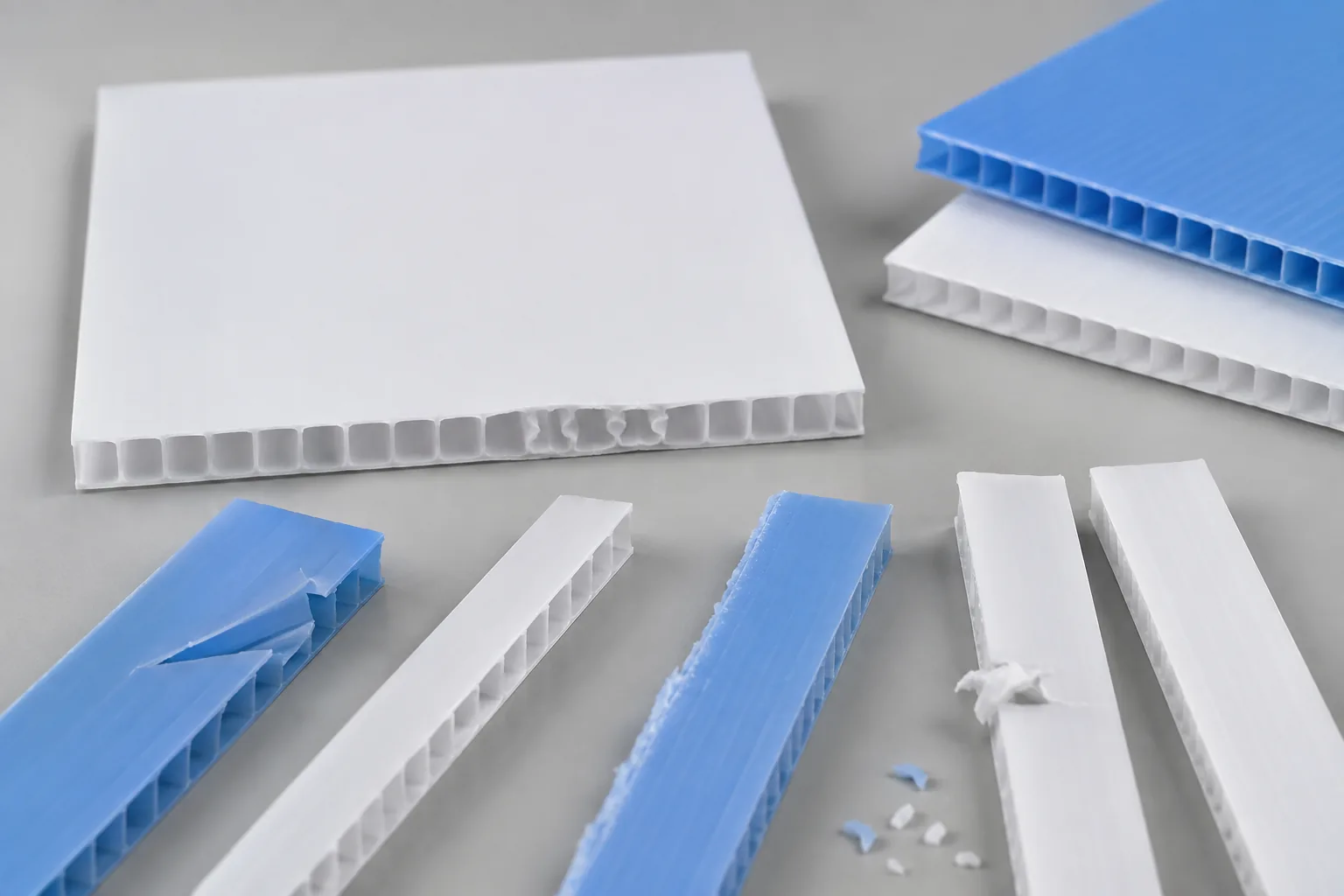
Packaging & Paper
Corrugated Plastic Sheet Trimming
Technical guidance for trimming polypropylene corrugated sheet while controlling flute crush, skin tearing, edge squareness and plastic debris.
Read the application guide →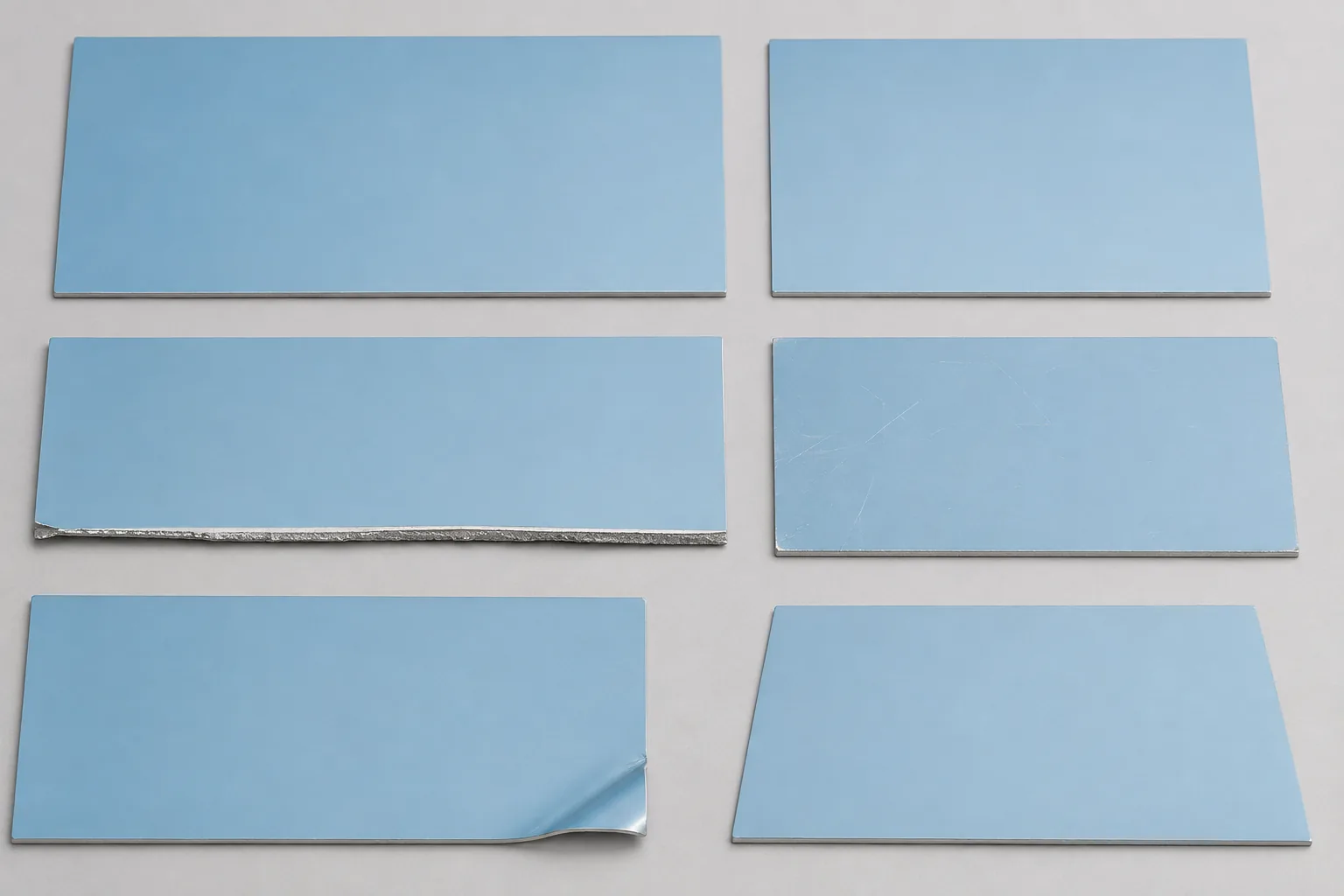
Adhesives, Labels & Printing
Aluminum Lithographic Printing Plate Trimming
Guidance for trimming lithographic aluminum printing plates while controlling edge burr, coating damage, corner distortion and format squareness.
Read the application guide →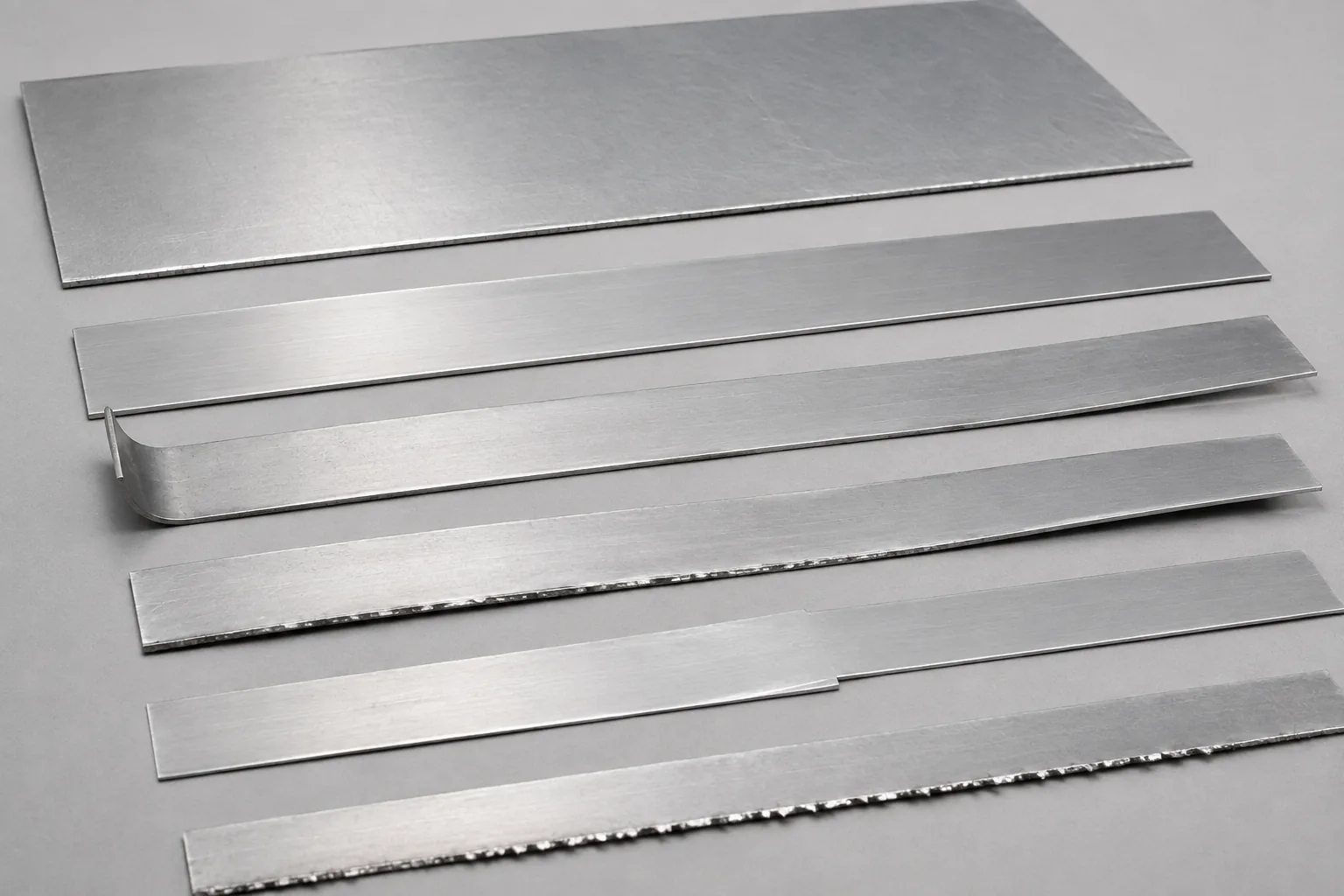
Metals, Coils & Strips
Trimming Aluminum Sheet Edges
Technical guidance for trimming aluminum sheet and strip while controlling burr, edge curl, camber, oxide pickup and finished-width drift.
Read the application guide →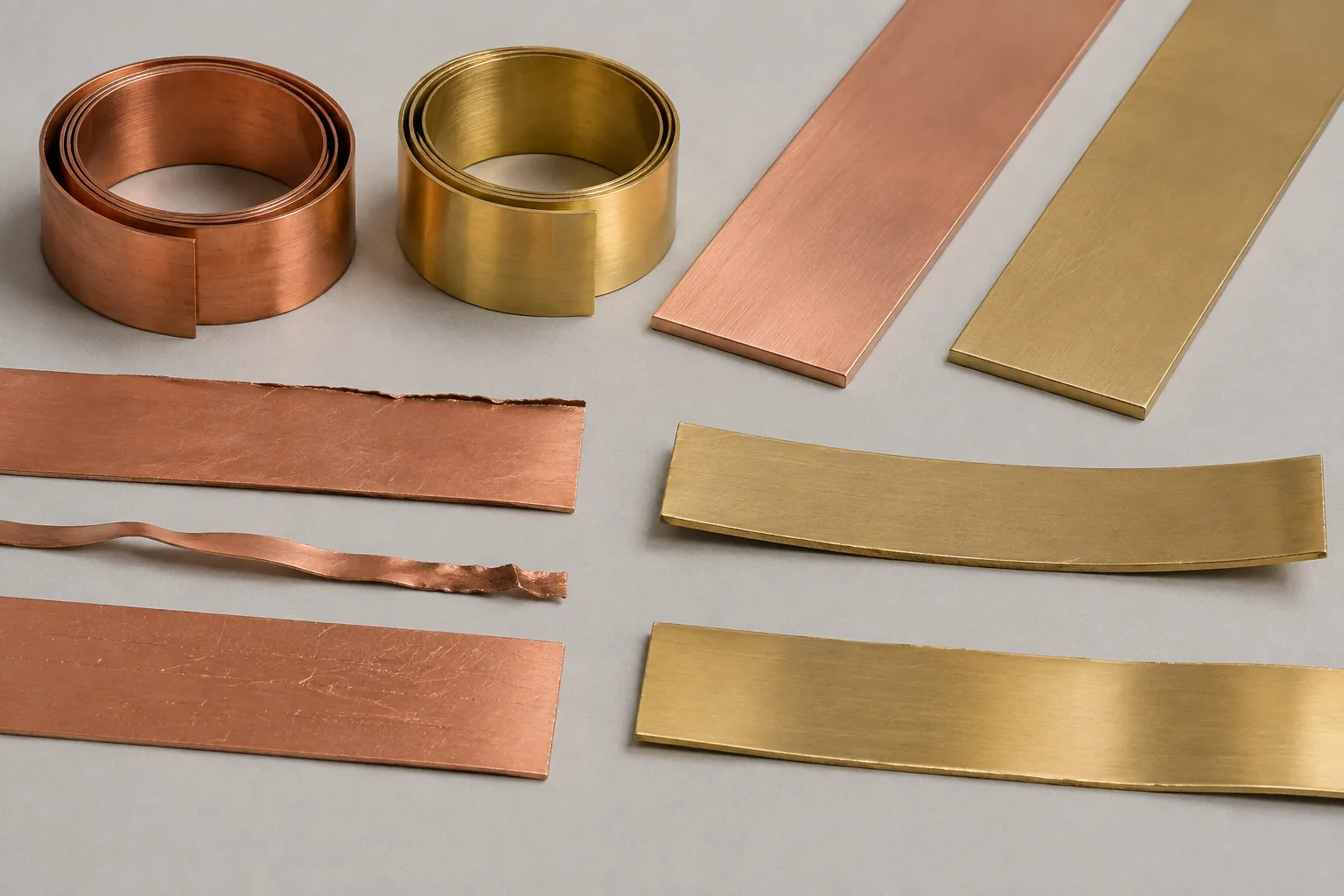
Recycling & Size Reduction
Trimming Copper and Brass Strip
Technical guidance for trimming copper and brass strip while controlling mill-edge defects, burr, camber, face scratches and width variation.
Read the application guide →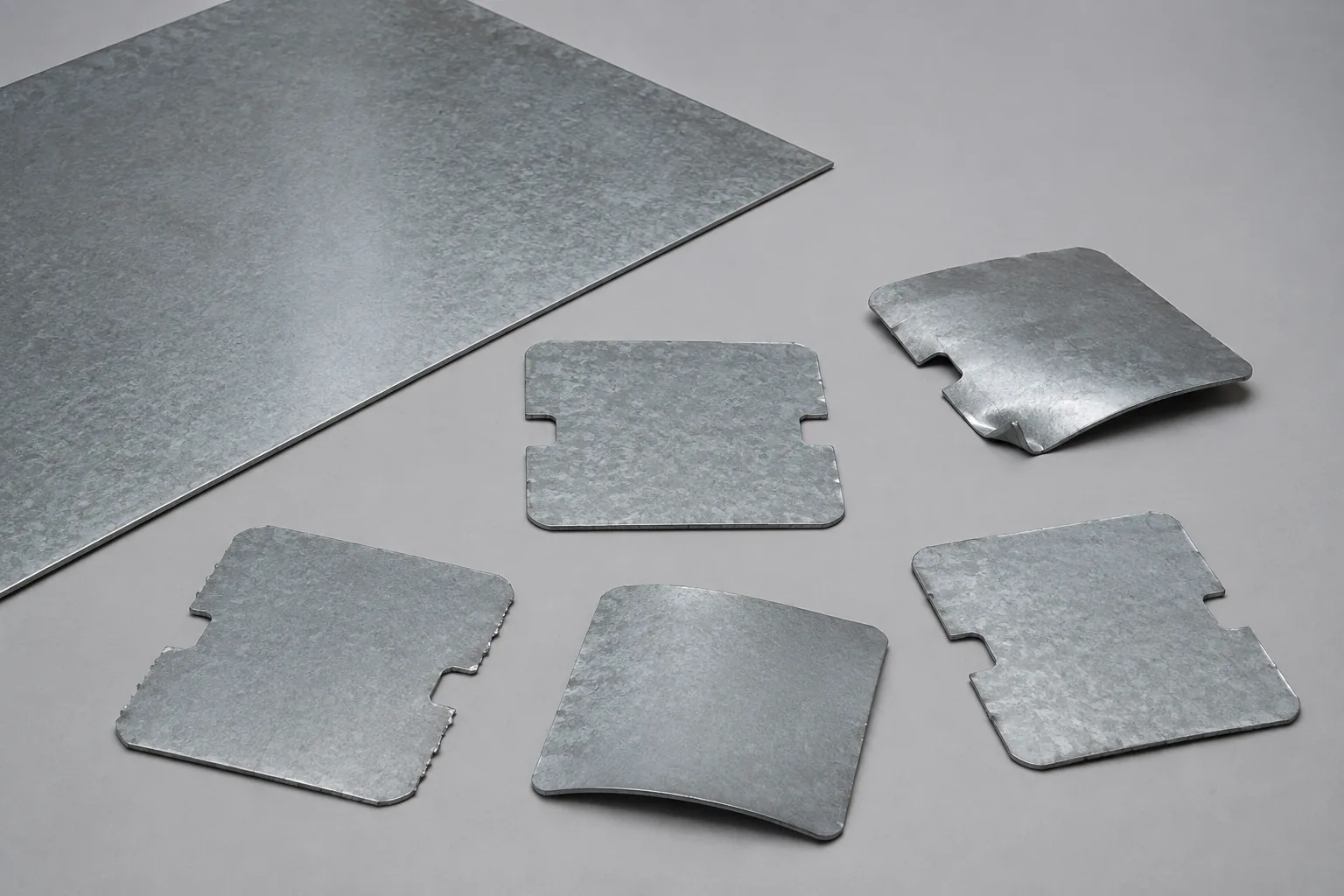
Plastics & Polymer Processing
Trimming Sheet-Metal Blanks
Guidance for trimming sheet-metal blanks while controlling perimeter burr, corner distortion, blank size, bow and marks before forming.
Read the application guide →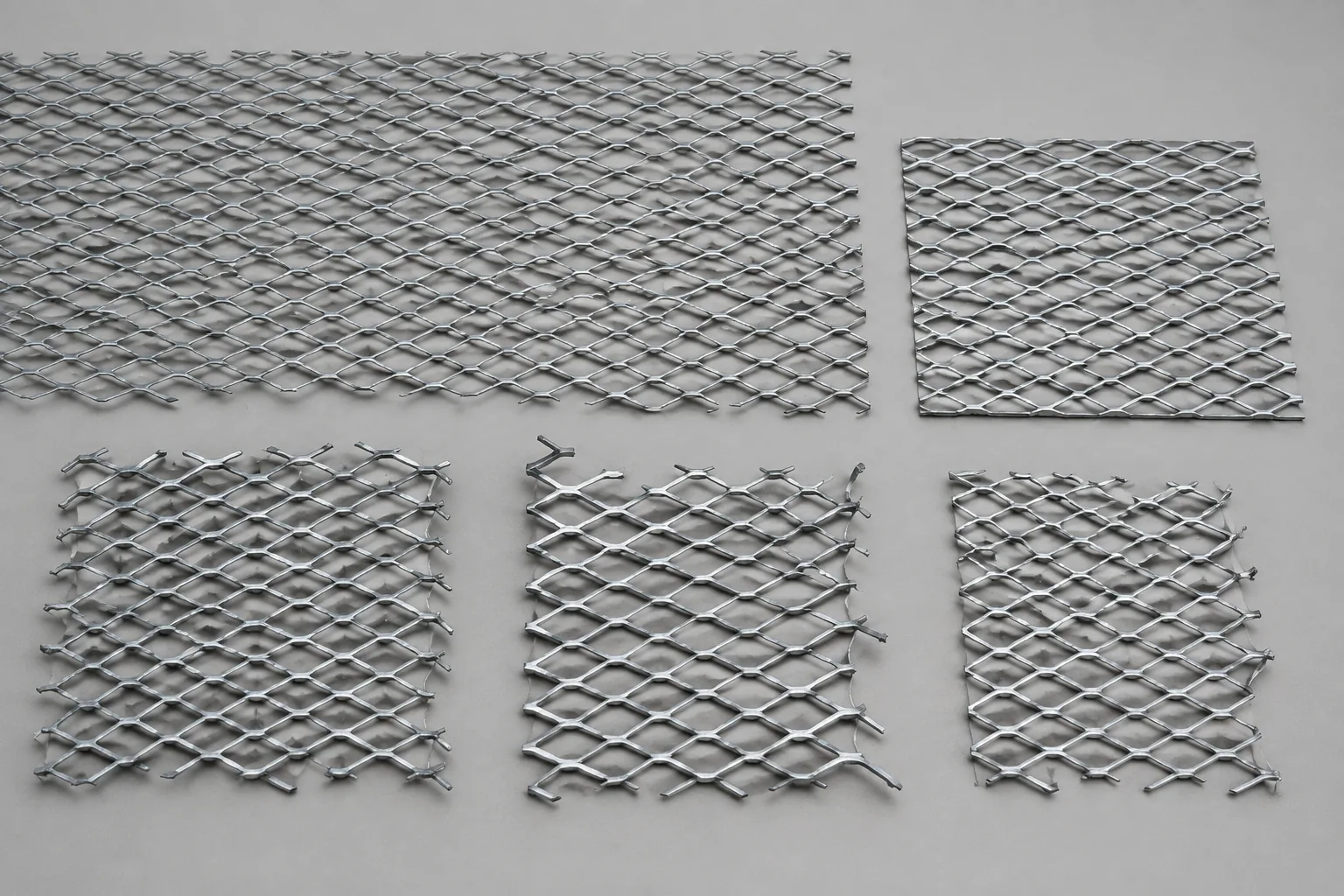
Textiles & Nonwovens
Cutting Expanded Metal Mesh
Technical guidance for cutting expanded metal mesh while limiting strand tearing, snagged diamonds, panel distortion and sharp edge burrs.
Read the application guide →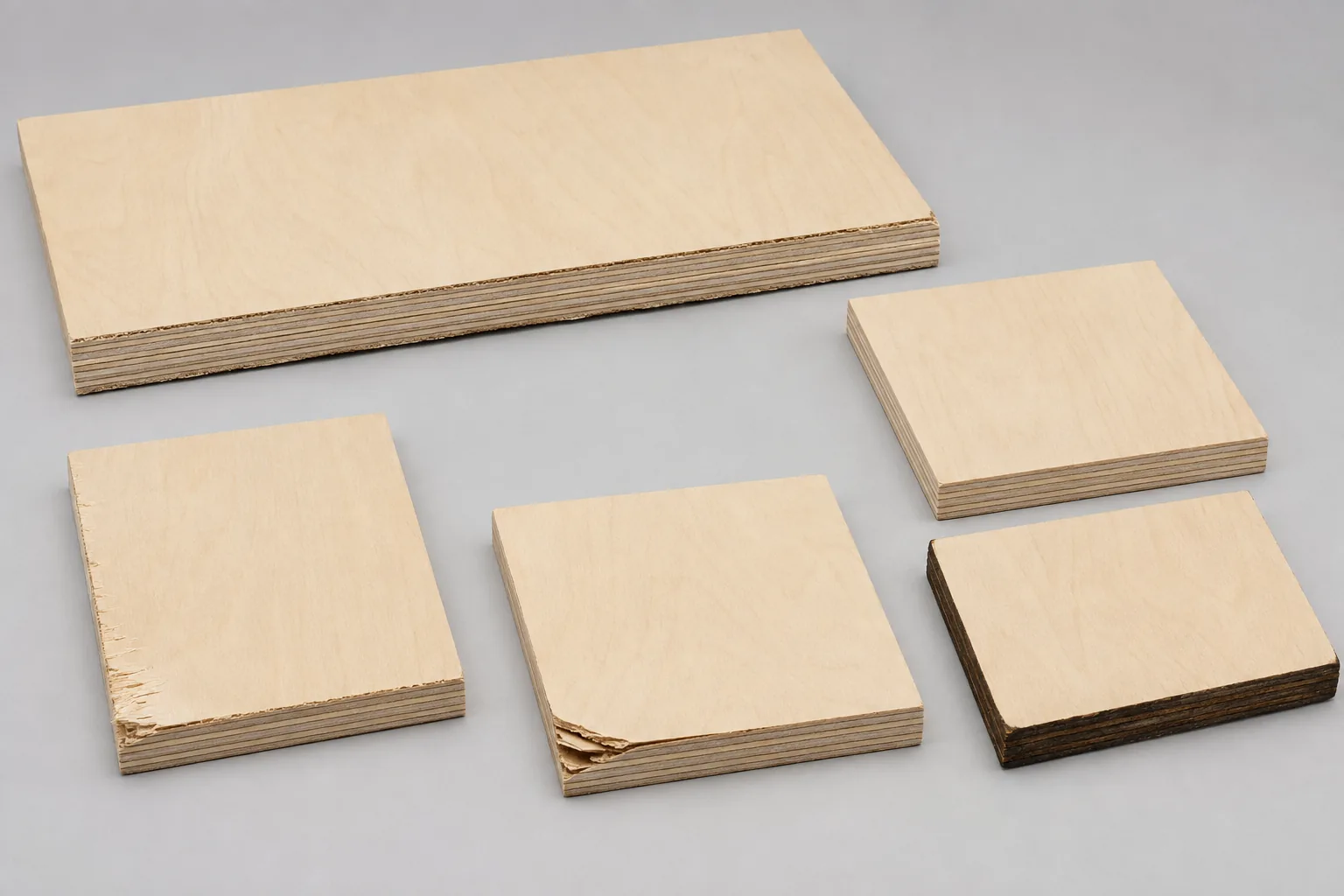
Films & Foils
Trimming Plywood Panel Edges
Guidance for trimming plywood panel edges while limiting face-veneer splintering, ply separation, glue-line wear and loss of squareness.
Read the application guide →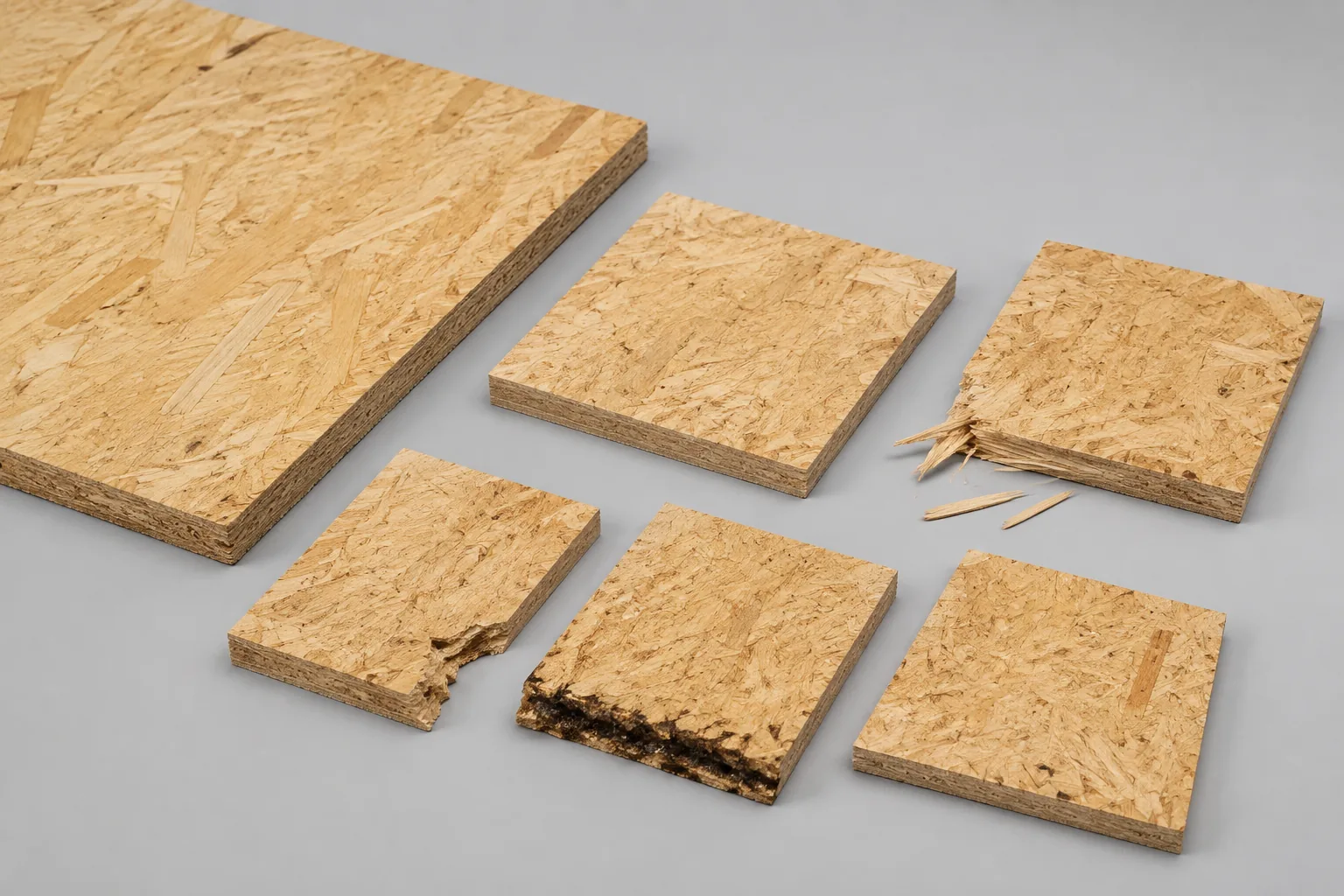
Wood & Building Materials
Trimming Oriented Strand Board Edges
Technical guidance for trimming OSB panels while limiting strand pullout, ragged corners, resin deposits, dust and loss of squareness.
Read the application guide →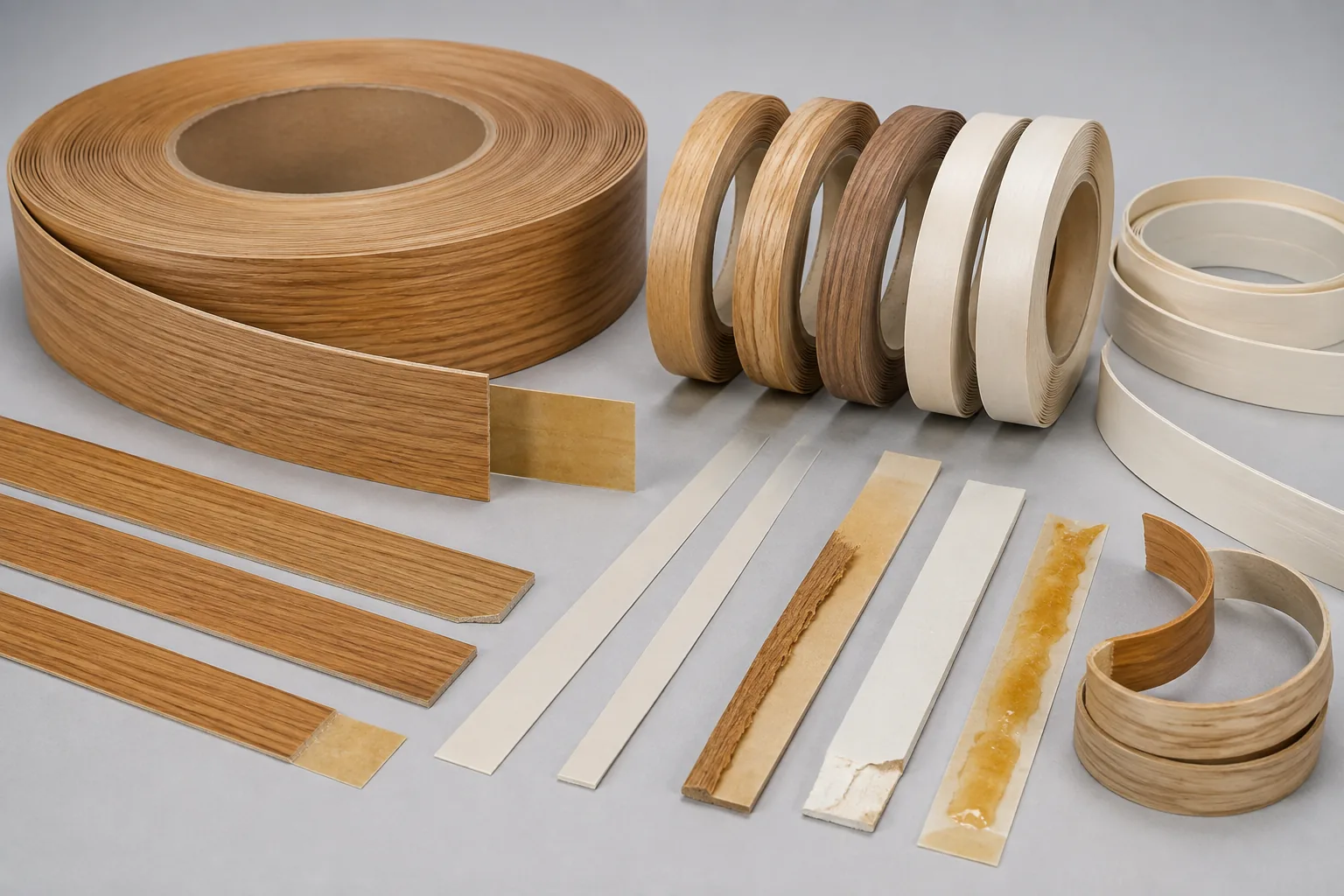
Films & Foils
Wood Edge-Banding Roll Slitting
Plan edge-banding roll slitting around face material, backing, adhesive, web tension and rotary knife setup to control width and edge defects.
Read the application guide →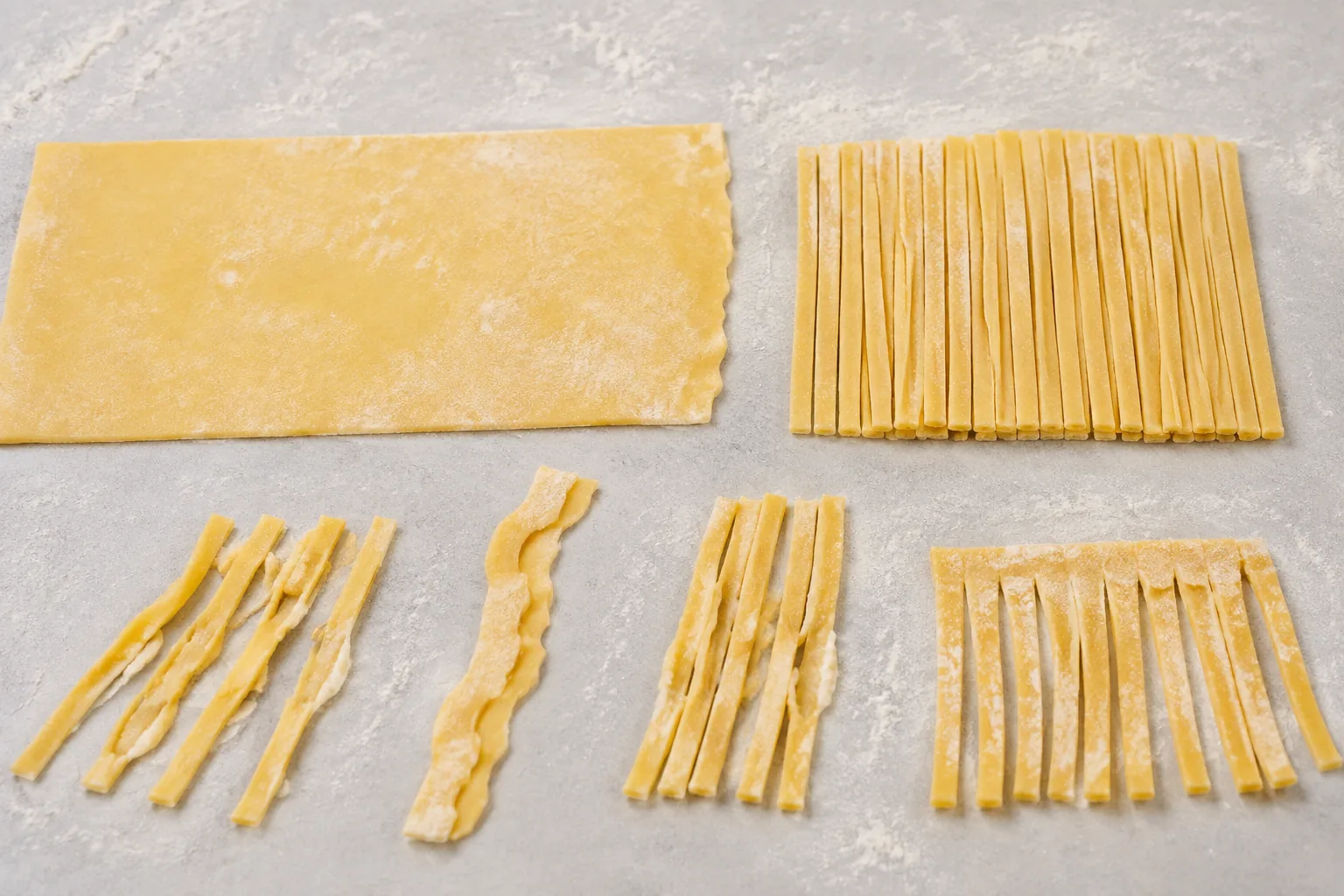
Food Processing
Fresh Noodle and Pasta Sheet Cutting
Assess dough moisture, flour dust, sheet thickness, strand spacing and release when choosing cutters for fresh noodles and pasta sheets.
Read the application guide →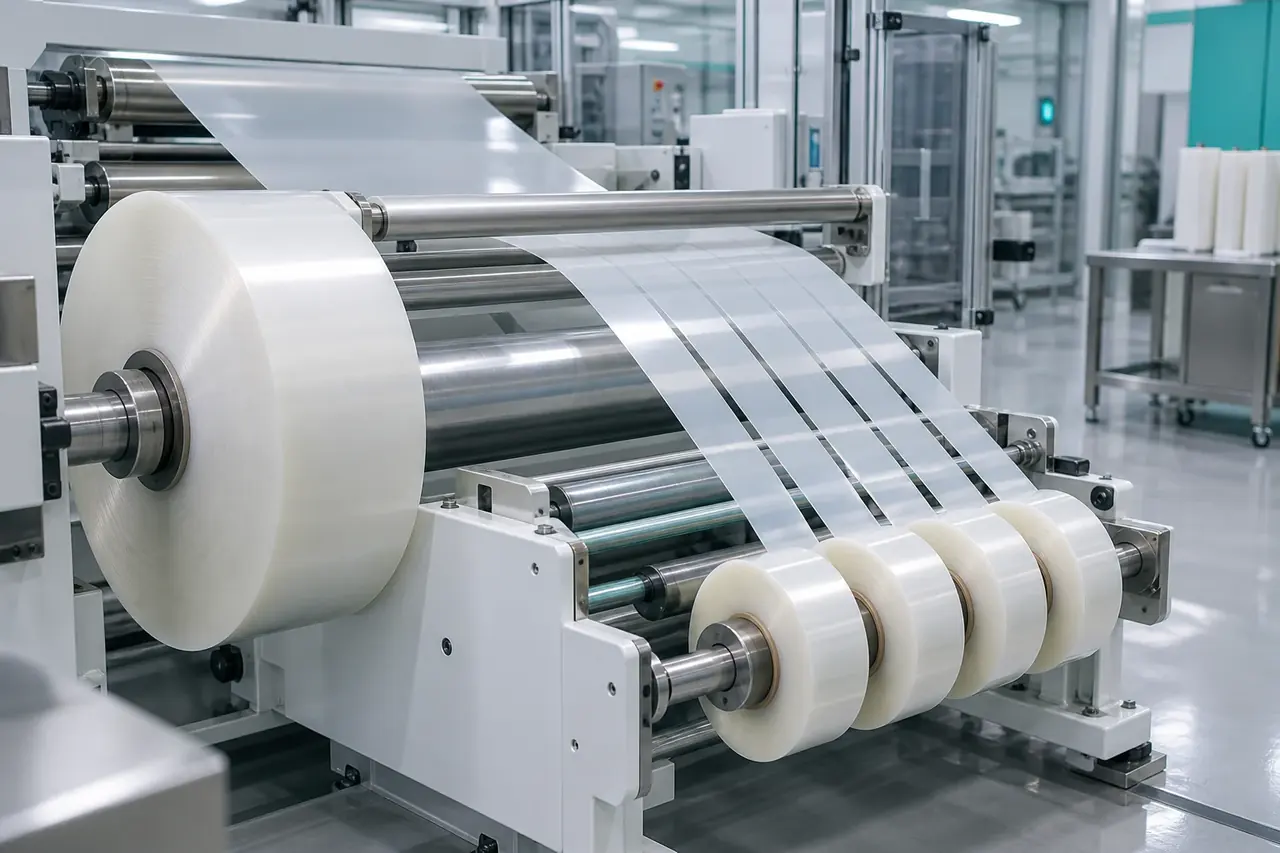
Films & Foils
Fuel Cell Proton Exchange Membrane Slitting Blades
Application guide for fuel cell proton exchange membrane slitting blades, covering web handling, edge quality, width consistency and project review data.
Read the application guide →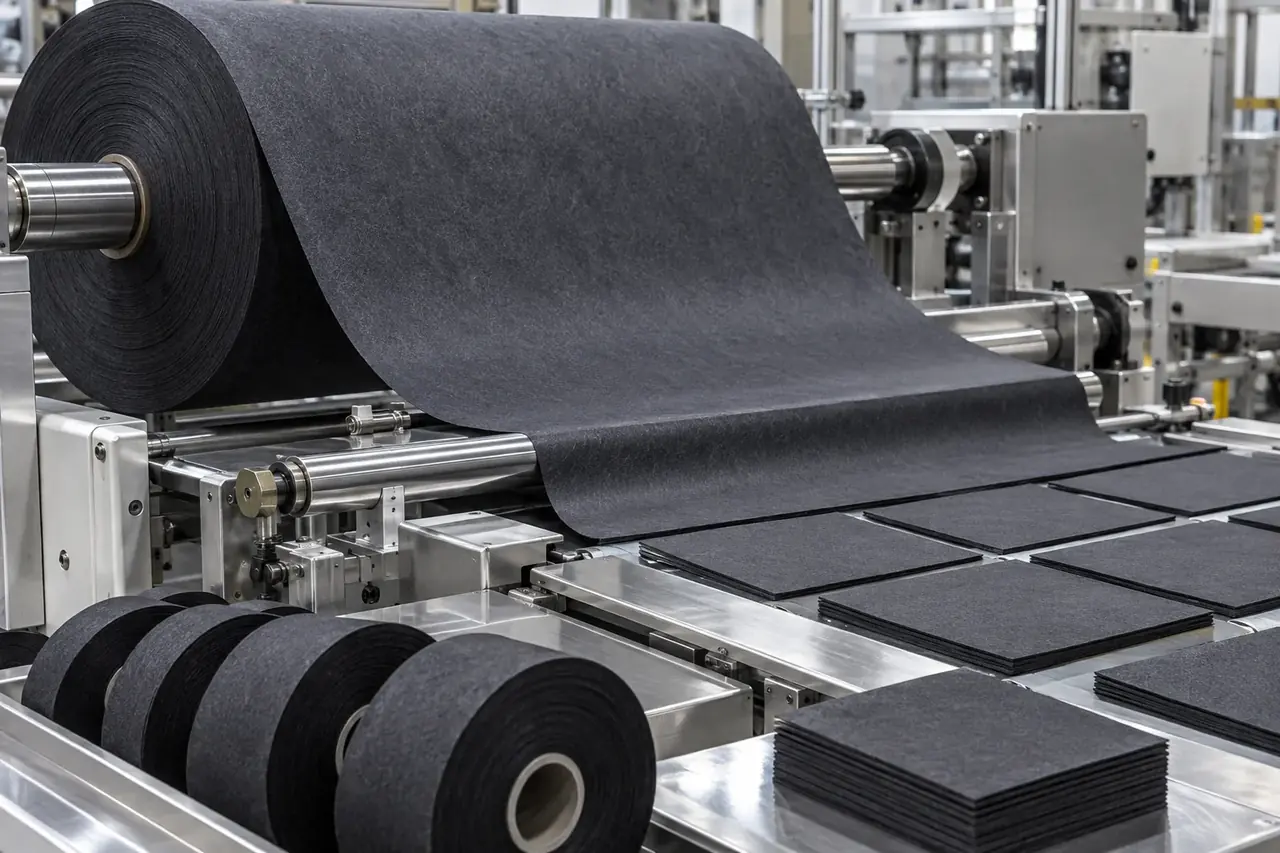
Packaging & Paper
Fuel Cell Gas Diffusion Layer Cutting Blades
Application guide for fuel cell gas diffusion layer cutting blades, covering fiber control, coated-surface protection, geometry and inspection data.
Read the application guide →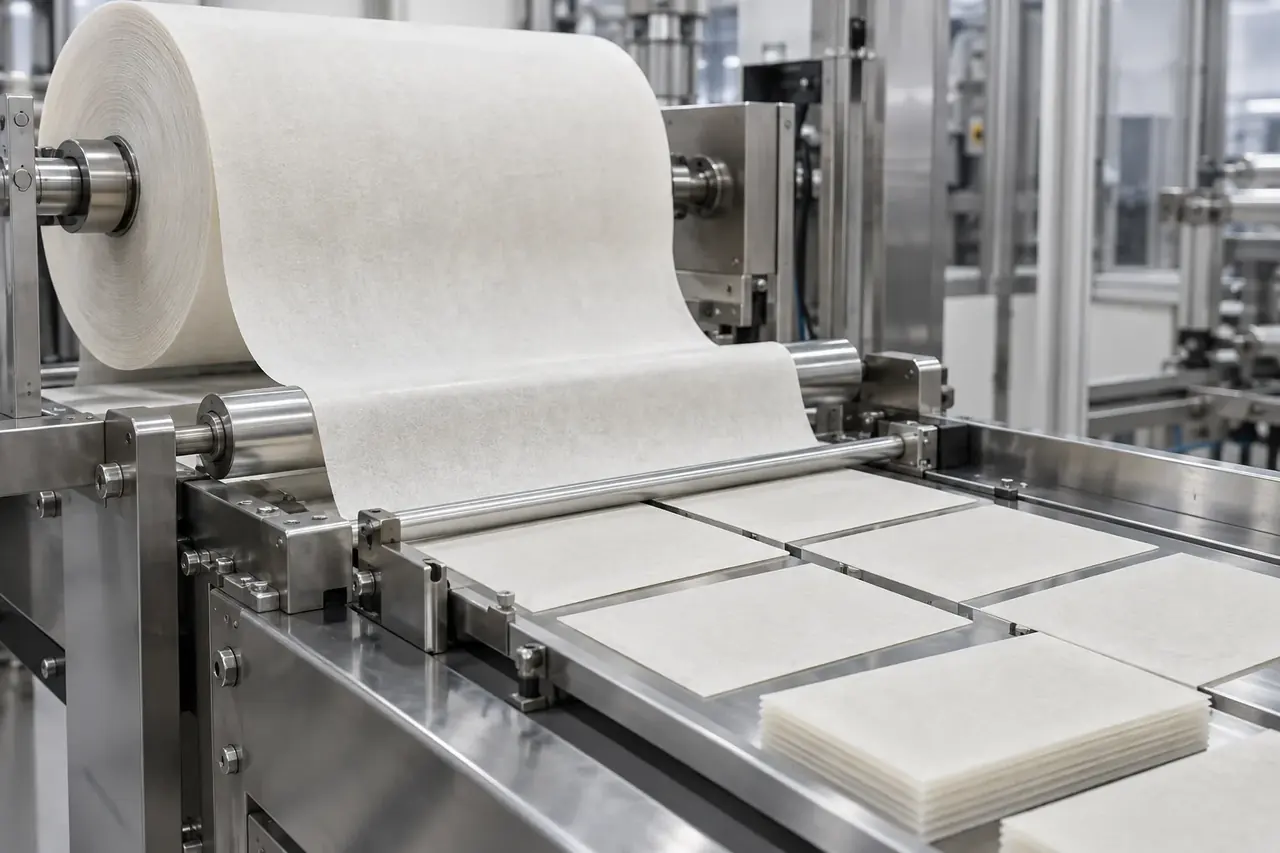
Films & Foils
Alkaline Electrolyzer Diaphragm Cutting Blades
Application guide for alkaline electrolyzer diaphragm cutting blades, focusing on clean profiles, supported handling, edge integrity and review inputs.
Read the application guide →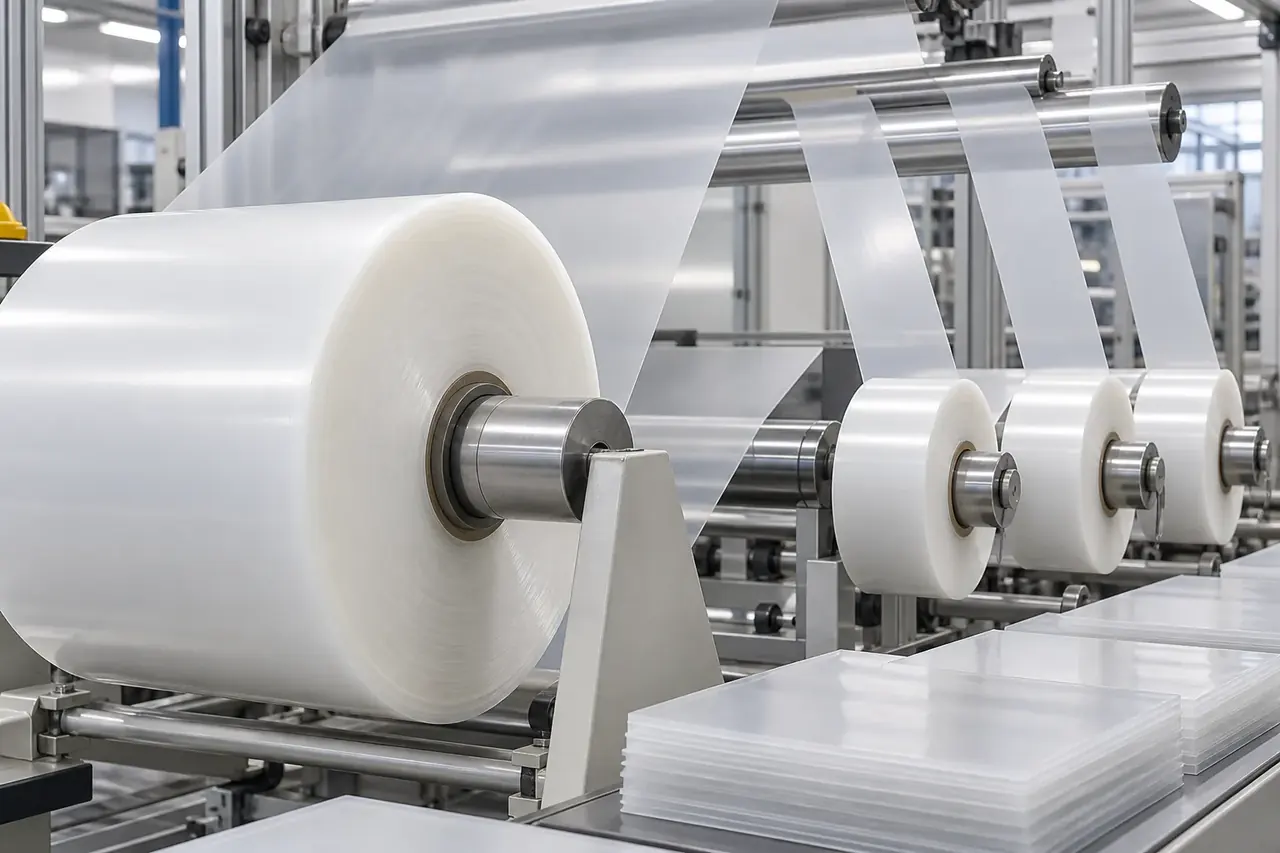
Films & Foils
Photovoltaic EVA Encapsulant Film Slitting Blades
Application guide for photovoltaic EVA encapsulant film slitting blades, covering tacky-web handling, clean edges, winding quality and review data.
Read the application guide →
Films & Foils
Photovoltaic Backsheet Film Slitting Blades
Application guide for photovoltaic backsheet film slitting blades, covering multilayer edge integrity, width control, winding and defect review.
Read the application guide →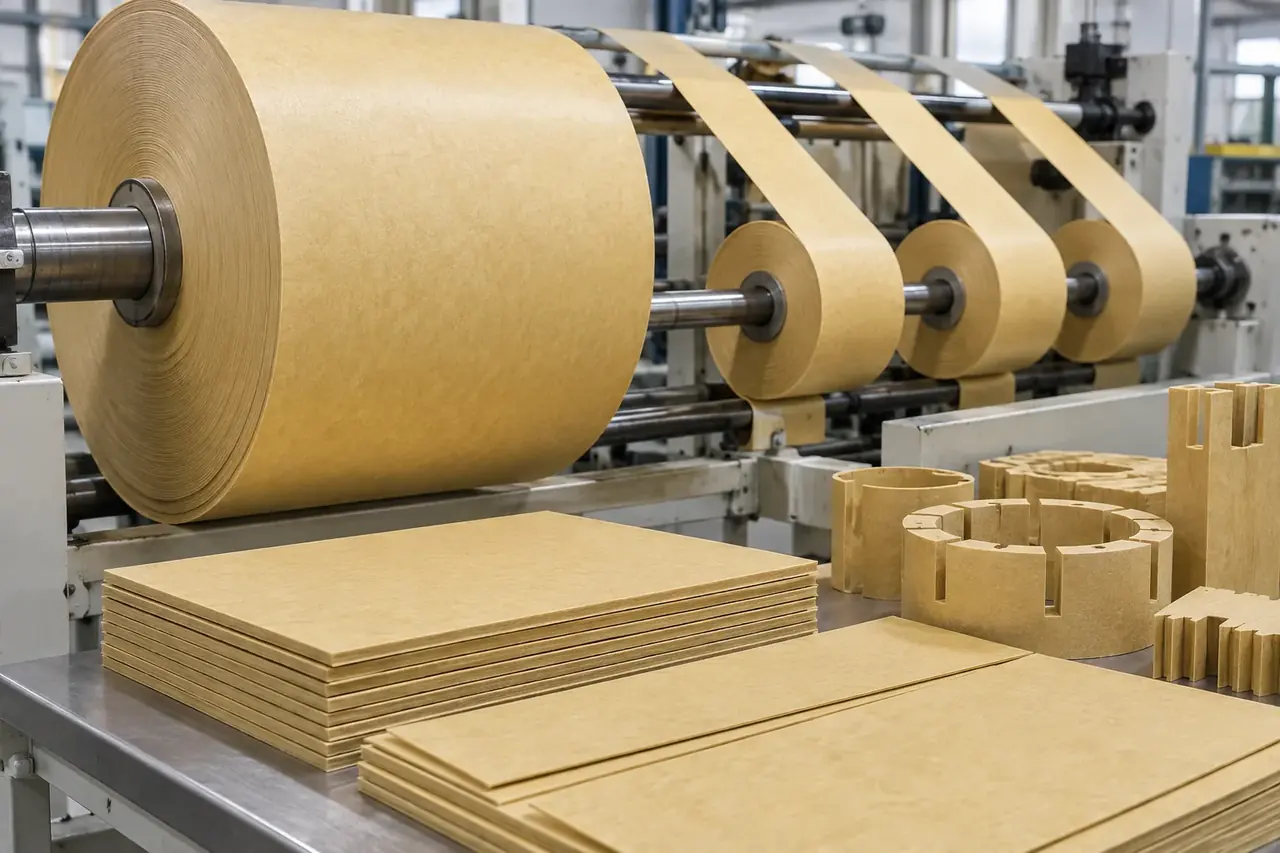
Packaging & Paper
Aramid Insulation Paper Slitting Blades
Application guide for aramid insulation paper slitting blades, covering fiber control, narrow-strip width, web tracking and clean winding.
Read the application guide →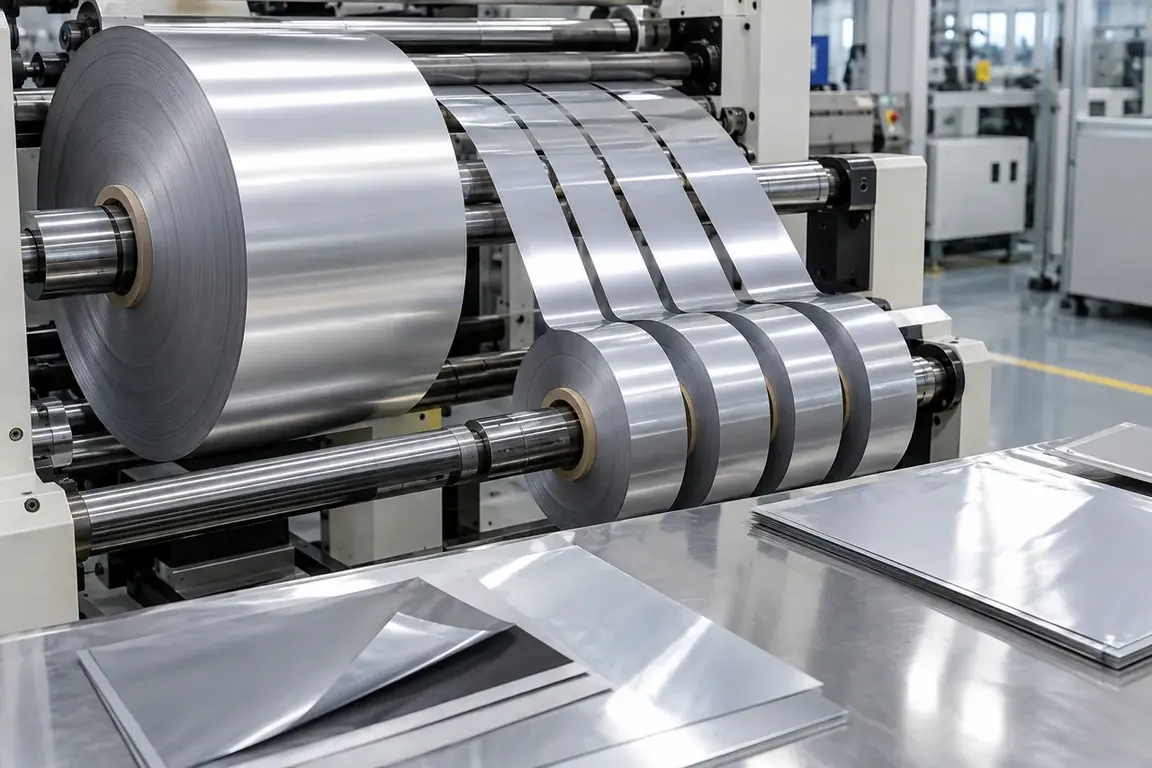
Packaging & Paper
Lithium-Ion Battery Pouch Film Slitting Blades
Application guide for battery pouch film slitting blades, covering laminate edges, metal-layer deformation, web control and finished-roll quality.
Read the application guide →Industrial Blade Application Guides: From Material to Cutting Edge
Reliable cutting comes from a system, not a single hardness number. Industrial blade technology connects the processed material, cutting method, machine condition, blade material, heat treatment, geometry, grinding accuracy and maintenance practice.
This page gives engineers and buyers a practical framework for discussing blade performance with Meirente before a quotation, trial or repeat-order improvement.
Start With the Cutting Application
A thin film, abrasive glass fiber, soft food product, polymer strand and electronic ceramic sheet place very different demands on a blade. The first questions should cover material behavior, thickness, speed, cutting gap, temperature, contamination, target finish and the cost of downtime.
Material Selection Is a Balance
Tool steel, stainless steel, high-speed steel, powder-metallurgy grades, tungsten carbide and coated solutions offer different combinations of hardness, toughness, wear resistance, corrosion resistance and cost. Selection should reflect the dominant failure risk instead of using the same grade for every application.
Edge Geometry Controls How the Blade Enters the Material
Bevel angle, single- or double-bevel direction, edge thickness, tooth pitch, tooth height, rake and clearance influence cutting force, dust, burrs, heat and edge strength. A sharper edge can reduce force, but an edge that is too thin may chip or deform under impact.
Heat Treatment, Grinding and Surface Engineering
Heat treatment develops the material properties required by the design. Precision grinding then controls flatness, parallelism, runout, concentricity and final edge geometry. Surface finishing or coating may help with wear, friction, corrosion or material adhesion when the application and base material justify it.
Measurement and Failure Feedback
Inspection confirms whether the blade matches the agreed specification; production feedback confirms whether the specification matches the real process. Photos and records of wear, chipping, deformation, burrs, dust, motor load, heat and cutting hours help separate material problems from alignment, gap, vibration or contamination issues.
Is higher hardness always better?
No. Higher hardness can improve wear resistance but may reduce toughness. The correct balance depends on impact, material abrasiveness and machine stability.
Why does the same blade wear differently on two machines?
Alignment, holder condition, cutting gap, speed, cooling, vibration, contamination and processed material can all change blade life.
When should a coating be considered?
Consider it when wear, friction, corrosion or adhesion is a defined problem and the coating is compatible with the base material, edge and operating temperature.
What information helps diagnose chipping?
Provide the chipped location, installation direction, holder condition, cutting gap, speed, processed material, contamination risk and close-up photos.
Can edge geometry be changed without changing the machine?
Sometimes, but the blade-holder interface, clearance and cutting method must be reviewed before any geometry change is approved.