Staple Fiber Cutter Blades
Staple fiber cutter blades are selected for the line, holder and fiber-cutting conditions. Standard straight and notched formats can be adapted by length, width, thickness, locating features, material and edge geometry.

Staple fiber cutter blades are selected for the line, holder and fiber-cutting conditions. Standard straight and notched formats can be adapted by length, width, thickness, locating features, material and edge geometry.
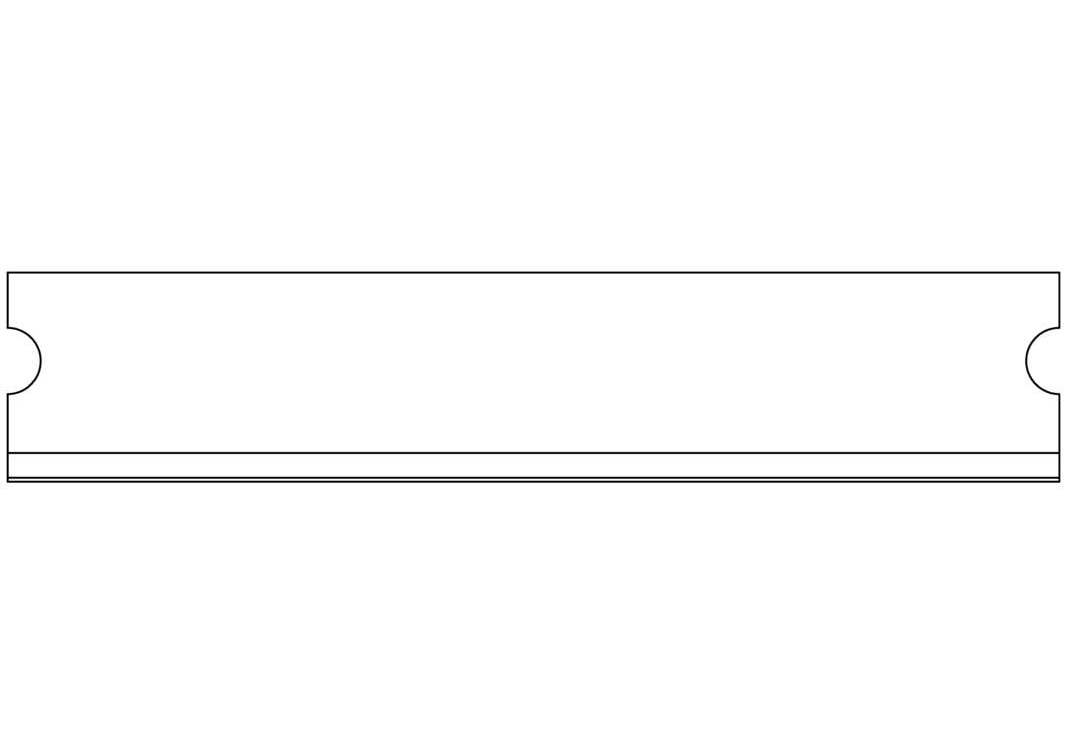
Stainless steel
Rectangular blade profile with a semicircular locating notch at each end.
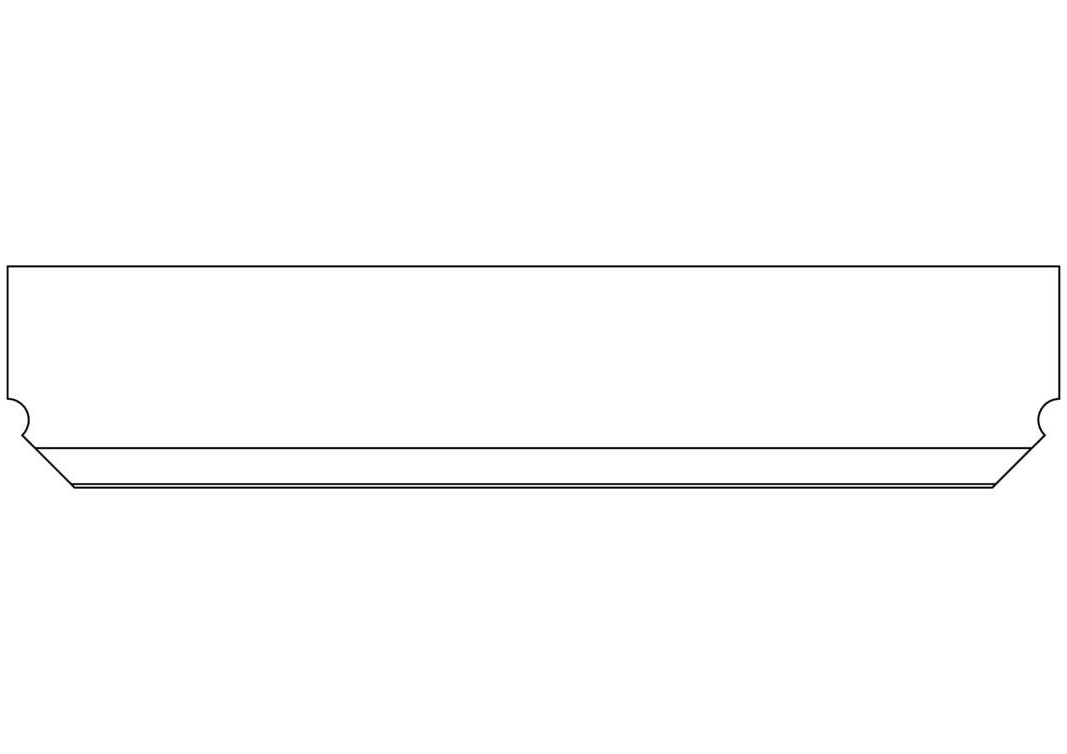
Stainless steel
Compact rectangular blade profile with lower locating reliefs at both ends and a reinforced working edge.
Material to approved drawing or sample
Compact Mark IV reference profile with lower locating reliefs at both ends; final end geometry and working edge follow the approved drawing or sample.
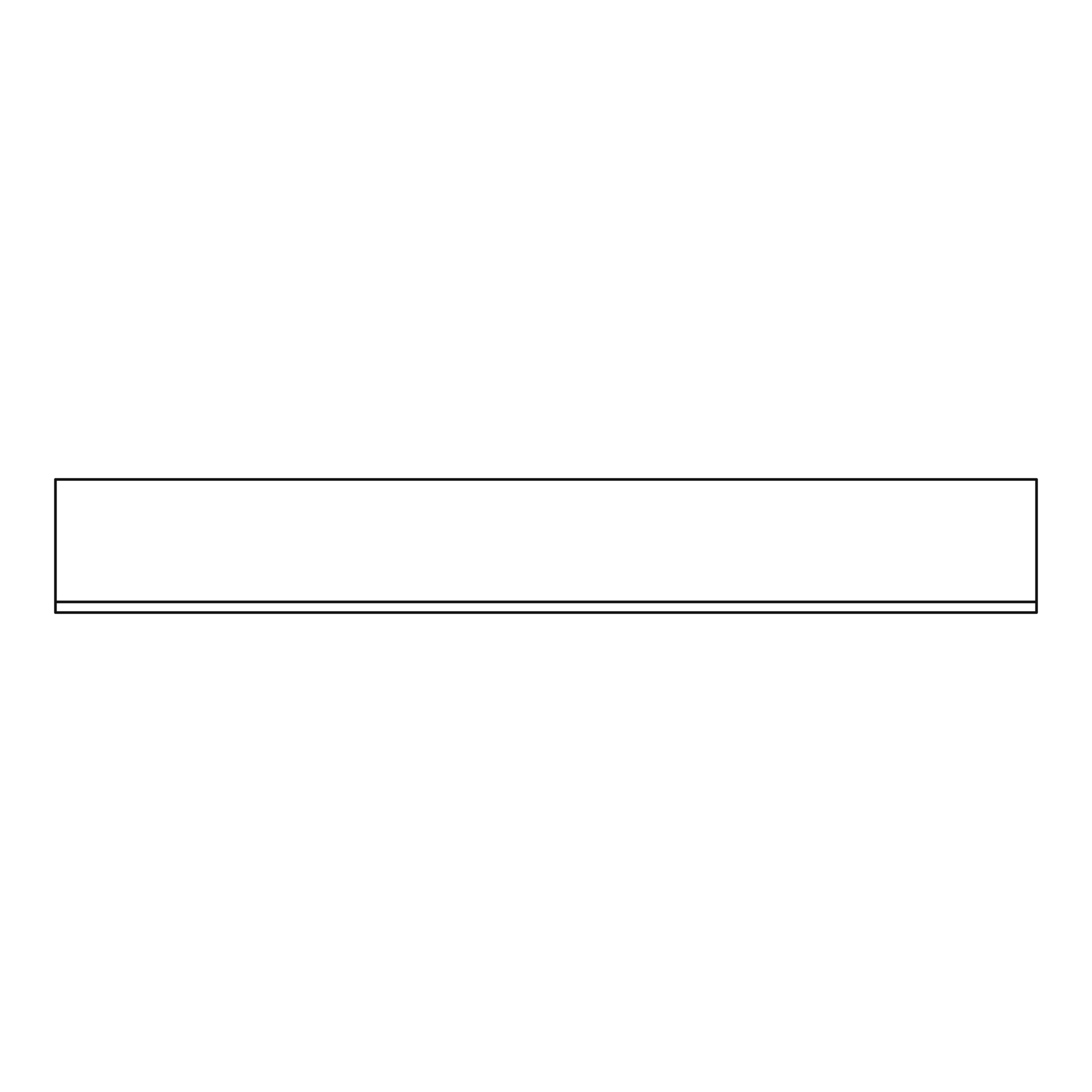
Stainless steel
Straight rectangular blade profile without end notches in the supplied product image.
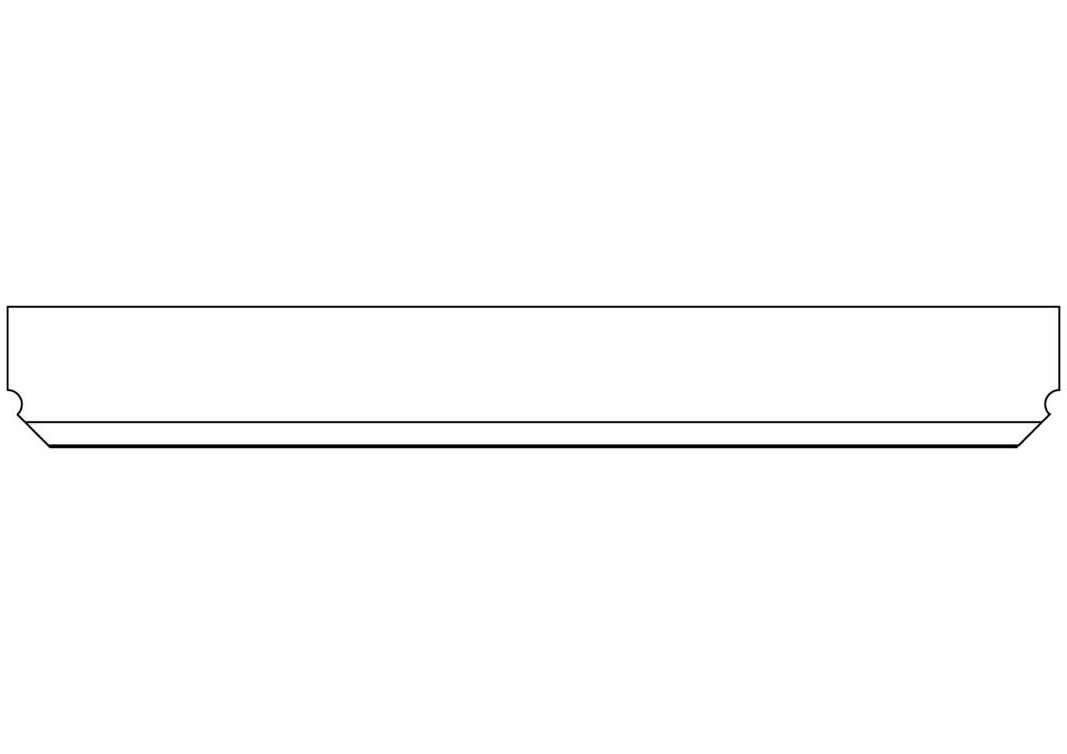
Stainless steel
Long rectangular blade profile with lower locating reliefs at both ends and a reinforced working edge.
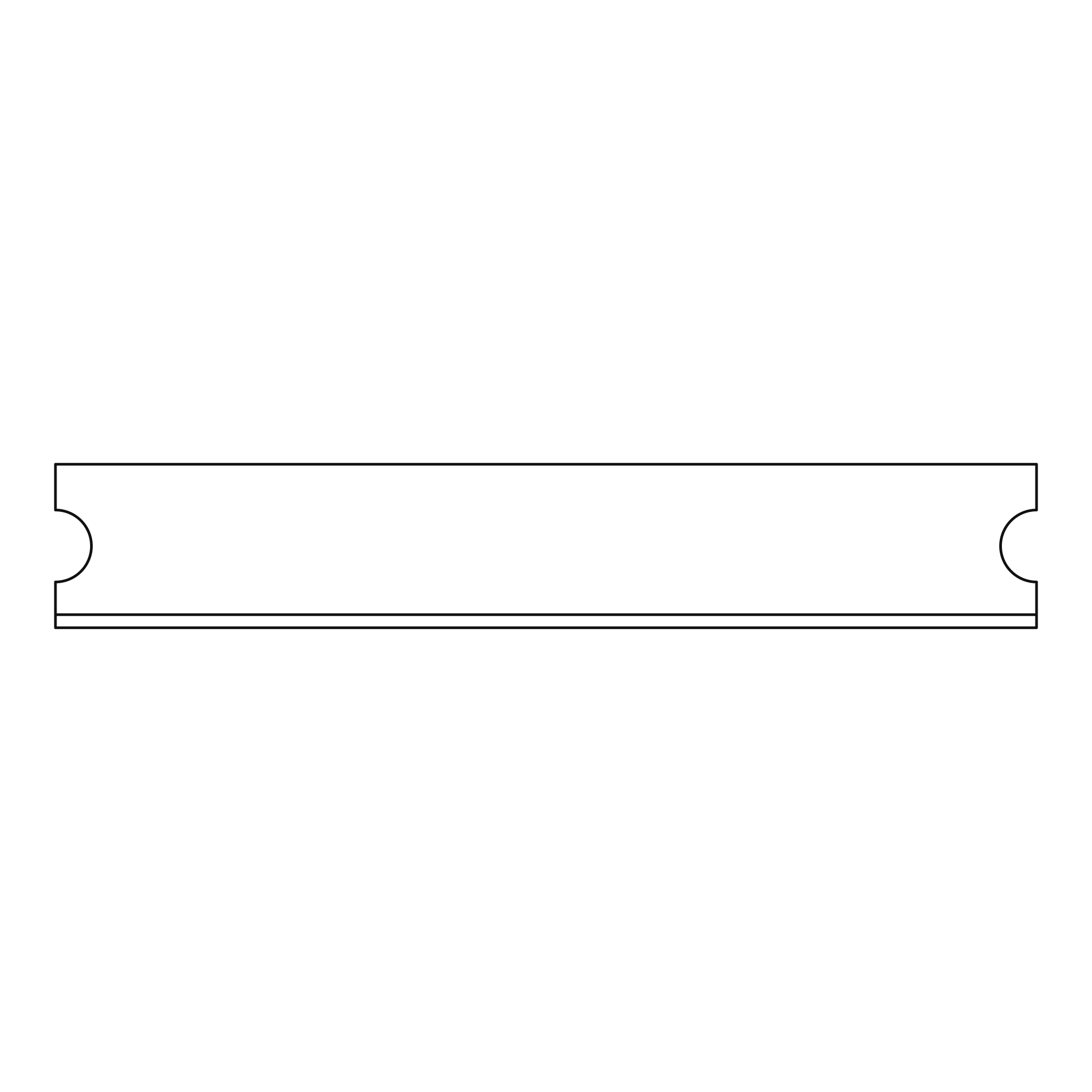
Stainless steel
Narrow rectangular blade with one centred semicircular locating notch at each end.
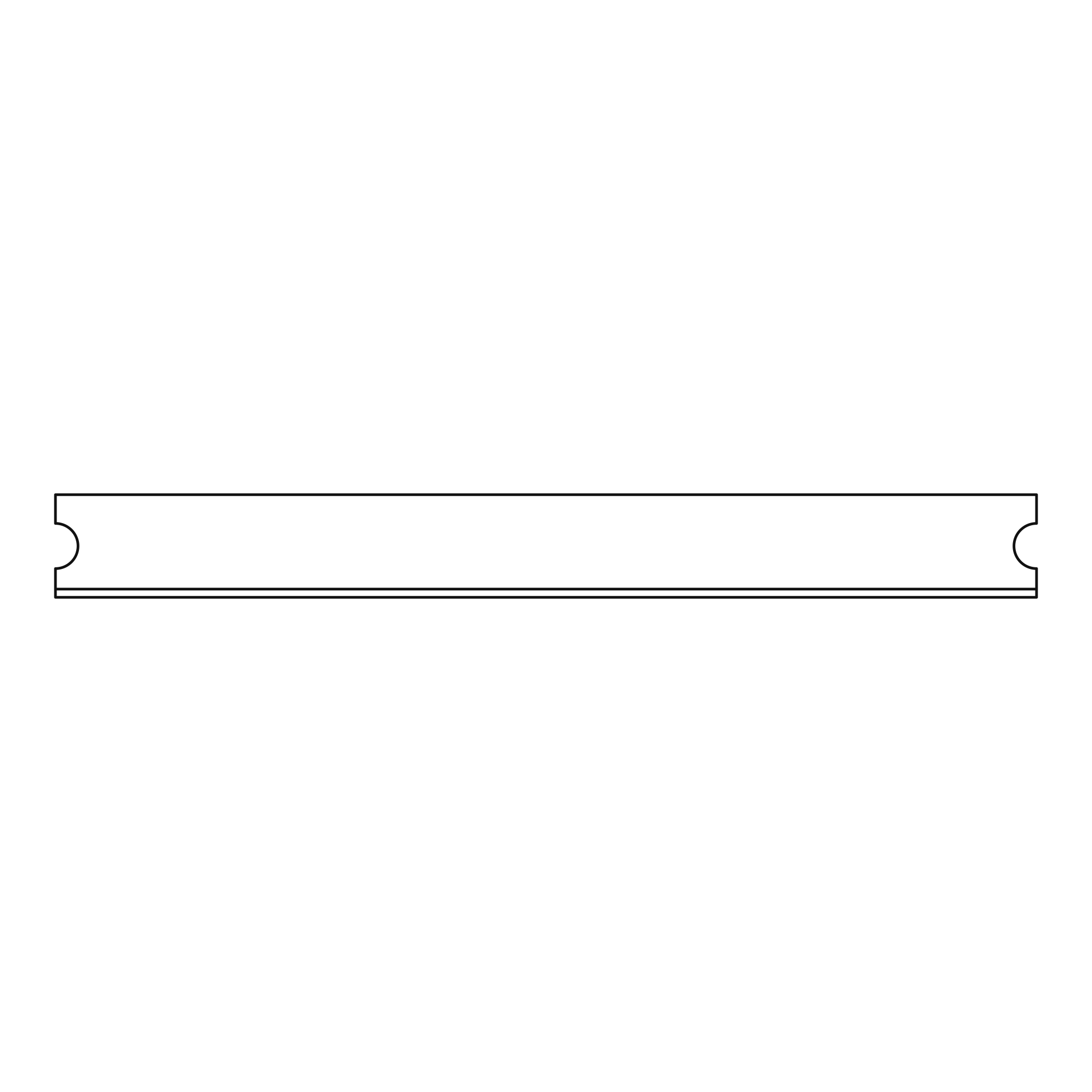
Stainless steel
Long narrow blade with one centred semicircular locating notch at each end.
Straight and notched cutter blades support polyester, polyamide, polypropylene, staple-fiber and nonwoven production. Fiber type, bundle presentation, holder arrangement and target cut length all influence the working edge.
Length, width and thickness must be considered with straightness, flatness, locating features and bevel. Material and edge geometry should reflect wear, breakage risk and the way the blade is supported in the cutter assembly.
Include the line or machine reference, blade profile, notch and hole positions, material request, quantity and photographs of used edges. An approved specification can then be retained for repeat-order identification and inspection.
For a custom review, send the drawing or sample dimensions together with the machine and application details you already have. Final specifications are confirmed before production.
Direct answers for blade buyers
Staple fiber cutter blades are selected for the line, holder and fiber-cutting conditions. Standard straight and notched formats can be adapted by length, width, thickness, locating features, material and edge geometry.
Confirm fiber type and the required cut length or result; machine model, holder layout or an approved drawing; blade dimensions, notches, holes and locating features. Include the required quantity and any current cutting defect when available.
MEIRENTE reviews non-standard industrial knife requests from an approved drawing or sample. Final dimensions, mounting features, material, hardness and edge geometry are confirmed before production.
Application decision table
Use these representative applications to narrow the knife family before confirming dimensions and operating conditions.
| Workpiece or application | Cutting process | Knife form to review | Common problem | Related product |
|---|---|---|---|---|
| Workpiece or applicationpost-industrial textile waste | Cutting processfiber opening and cutting | Knife form to reviewrotary fiber cutter blade | Common problemLong fibers wrap around rotating parts | Related productStaple Fiber Cutter Blades |
| Workpiece or applicationcontinuous polypropylene filament tow before staple-fiber cutting | Cutting processtow chopping | Knife form to reviewReplaceable cutter-head blade matched to the installed system | Common problemUncut strands concentrate at one position | Related productStaple Fiber Cutter Blades |
| Workpiece or applicationsynthetic staple fiber tow | Cutting processhigh-frequency chopping | Knife form to reviewstaple-fiber cutter blade | Common problemUneven fiber length | Related product95 × 19 × 0.9 mm Staple Fiber Cutter Blade |
| Workpiece or applicationindustrial filter paper | Cutting processprofile cutting | Knife form to reviewStraight shear form | Common problemFiber pullout and fuzzy profile edges | Related productCustom Knives |
| Workpiece or applicationpressed pulp sheets | Cutting processsize cutting | Knife form to reviewStraight shear or guillotine form | Common problemLong fibers pulled across the cut edge | Related productCustom Knives |
| Workpiece or applicationtufted carpet rolls | Cutting processedge trimming | Knife form to reviewhook knife | Common problemYarn pullout | Related productCircular Slitter Blades & Rotary Knives |
Blade selection by application
Review fiber chemistry, tow presentation, target cut length, holder arrangement and current edge failure before selecting a staple-fiber or textile-tow cutting blade.
Polyester, polypropylene and polyamide staple-fiber lines require repeatable cut length with controlled fiber pull, fusion and edge wear.
High-strength technical fibers demand suitable support, edge geometry and wear resistance to control uncut filaments and tow spreading.
Nonwoven and textile processes require blade selection based on basis weight, fiber bonding, web presentation and the required finished edge.
Regenerated cellulose tow can vary in moisture, crimp and bundle density, so support and cutting conditions should be matched to the required staple length.
Bicomponent and bonding fibers require controlled temperature and edge condition to reduce smearing, fused ends and inconsistent staple length.
Reclaimed yarn, fabric and mixed textile feedstock should be assessed for contamination, entanglement and target opening length before selecting the cutting arrangement.