
Cross-Cutting and Cut-to-Length Guides
Application guidance for cross cutting, cut-to-length, cutoff and sheet-sizing operations, covering edge quality, squareness, deformation and machine fit.
Browse focused application knowledge
Cutting guides by industry, process, equipment and defect
Use these curated topic pages to compare related materials and cutting conditions without relying on broad site search.
Industries
Cutting processes
Equipment types
Cutting defects
Products and services
Related Products and Custom Services
These options are most frequently connected to the application guides in this topic.
Custom Knives
264 guides in this topic reference this option.
Straight Blades & Guillotine Knives
13 guides in this topic reference this option.
Three-Hole Battery Foil Blade
10 guides in this topic reference this option.
Technical Articles
Industrial cutting problem knowledge base
1495 Blade Application Guides
Search by material, industry, cutting process or a problem described in your own words. You do not need to know the exact blade name.
Films & Foils
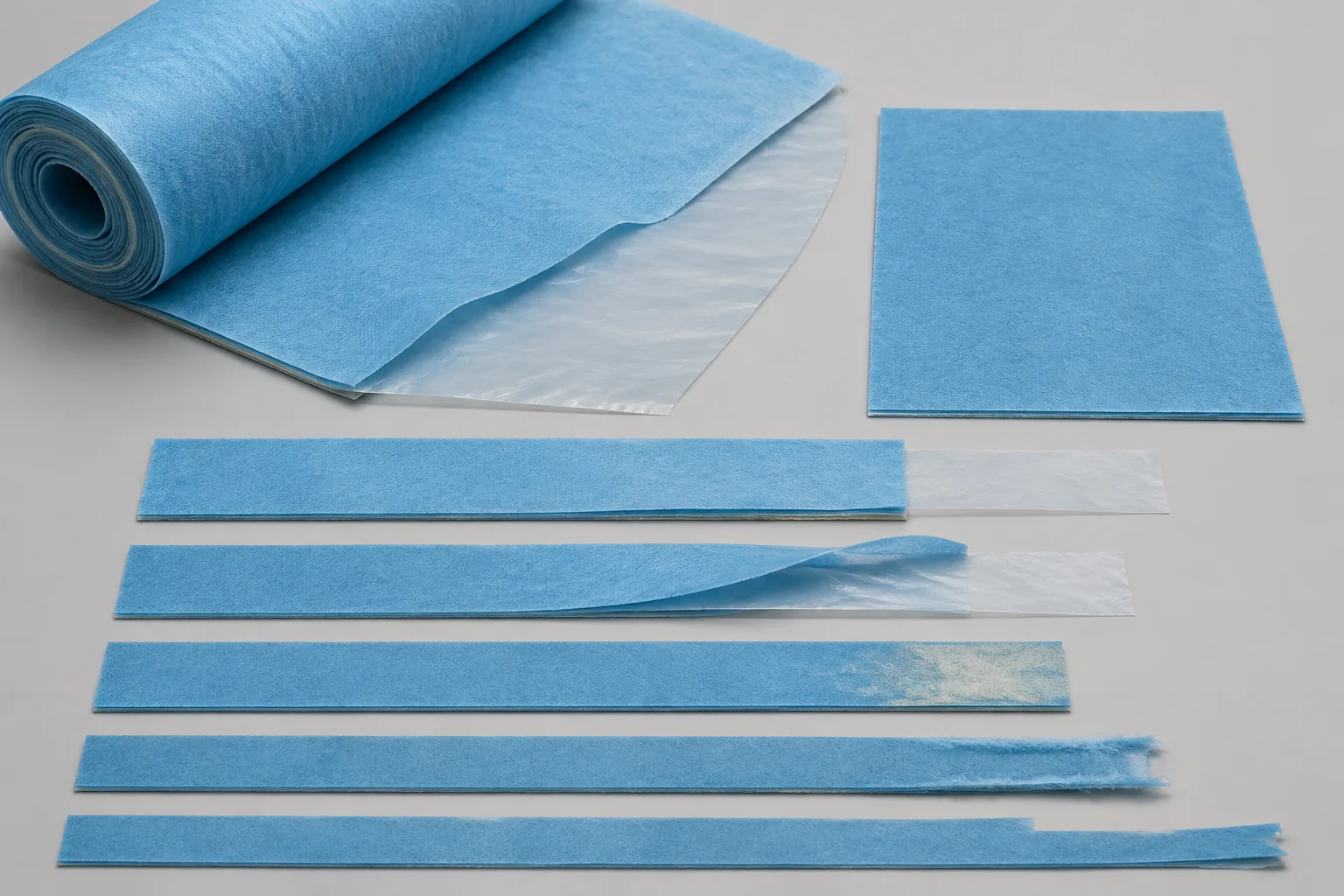
Surgical Drape Laminate Cutting
Assess film, nonwoven, absorbent and adhesive layers together when choosing slitters or sheeting knives for surgical drape laminates.
Read the application guide →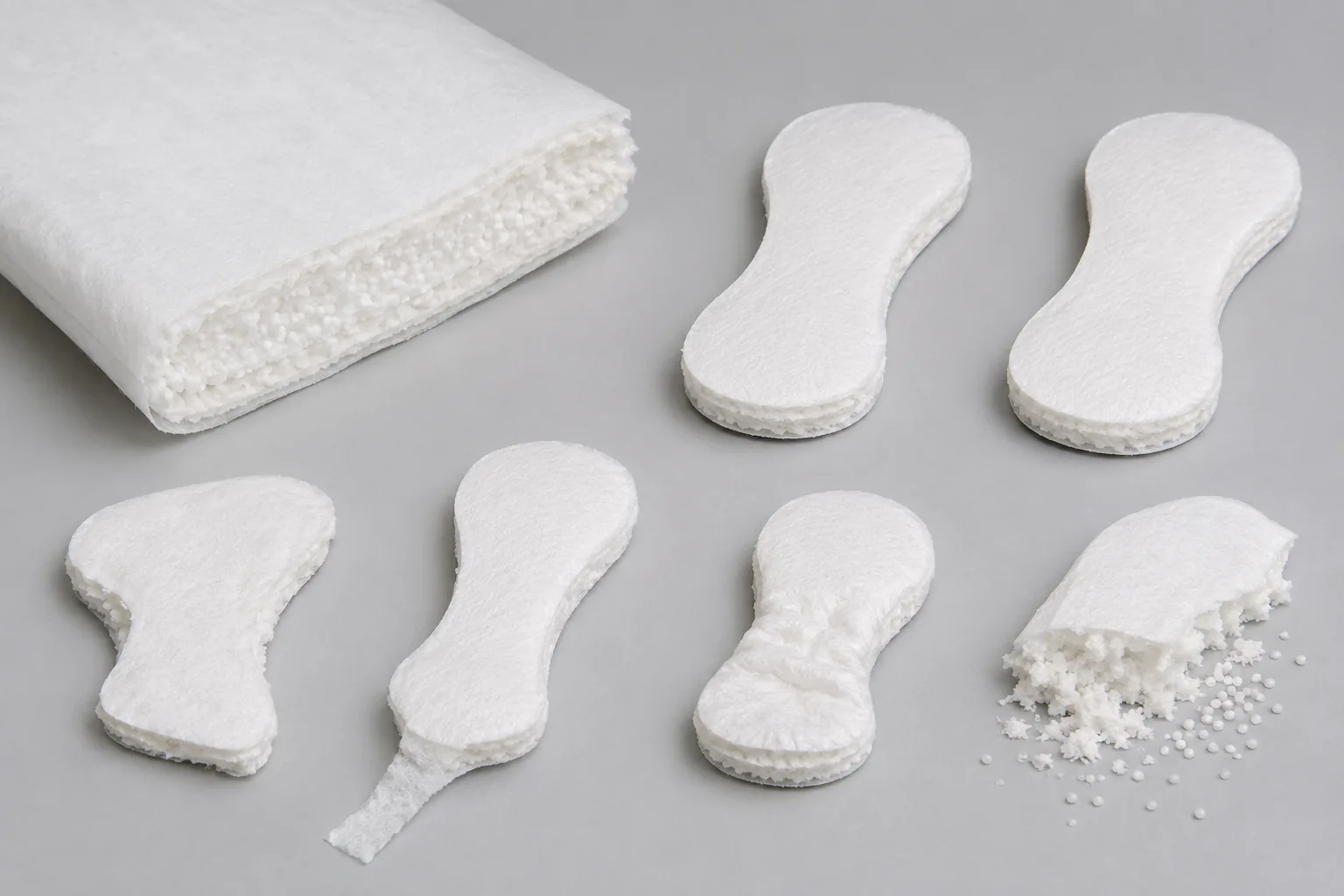
Packaging & Paper
Sanitary Pad Absorbent Core Cutting
Review fluff pulp, absorbent polymer, carrier tissue, compression and containment when specifying contour knives for sanitary pad absorbent cores.
Read the application guide →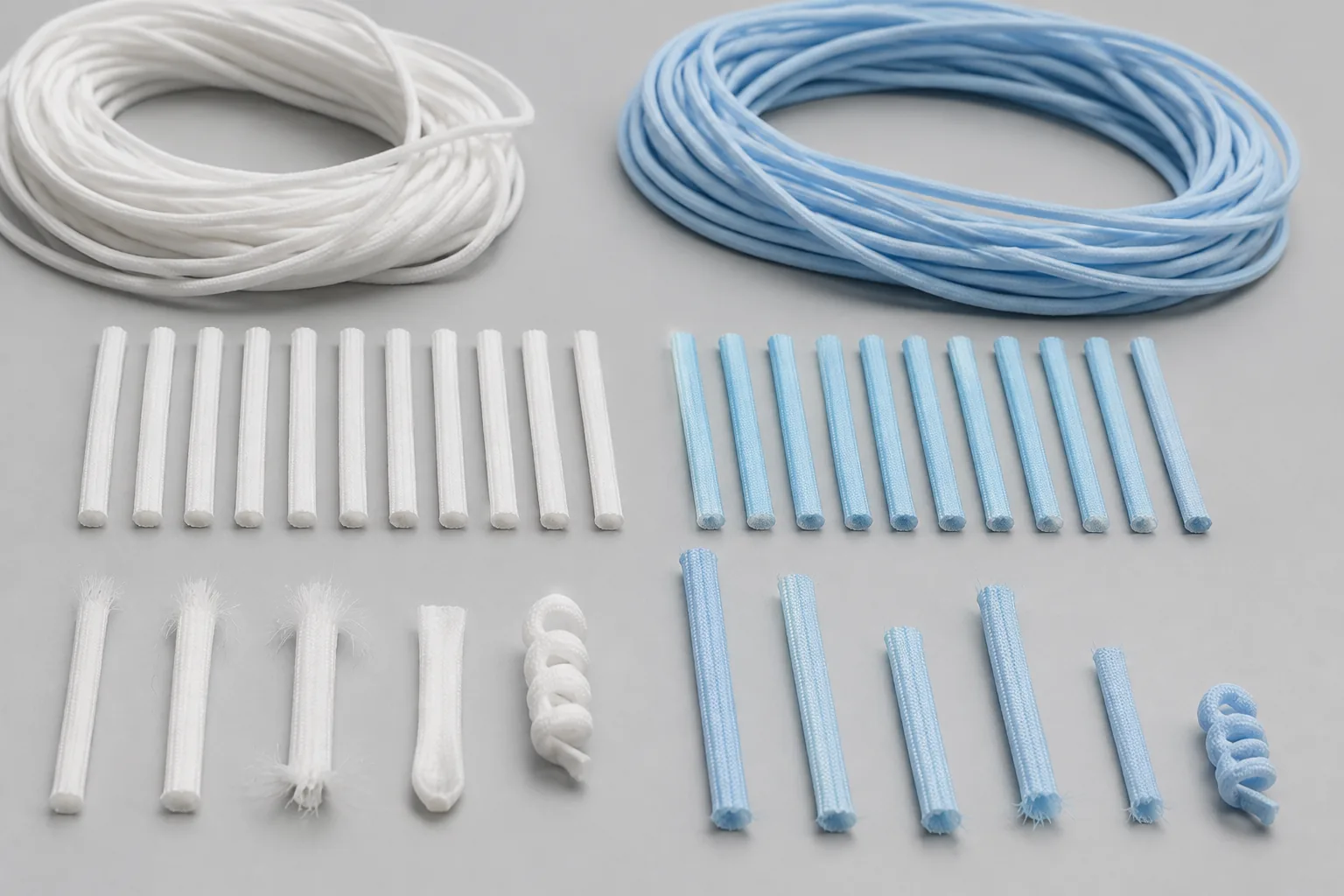
Textiles & Nonwovens
Elastic Ear-Loop Cord Cutting
Assess cord construction, stretch, tension recovery and end fraying when choosing cutoff knives for high-cycle elastic ear-loop production.
Read the application guide →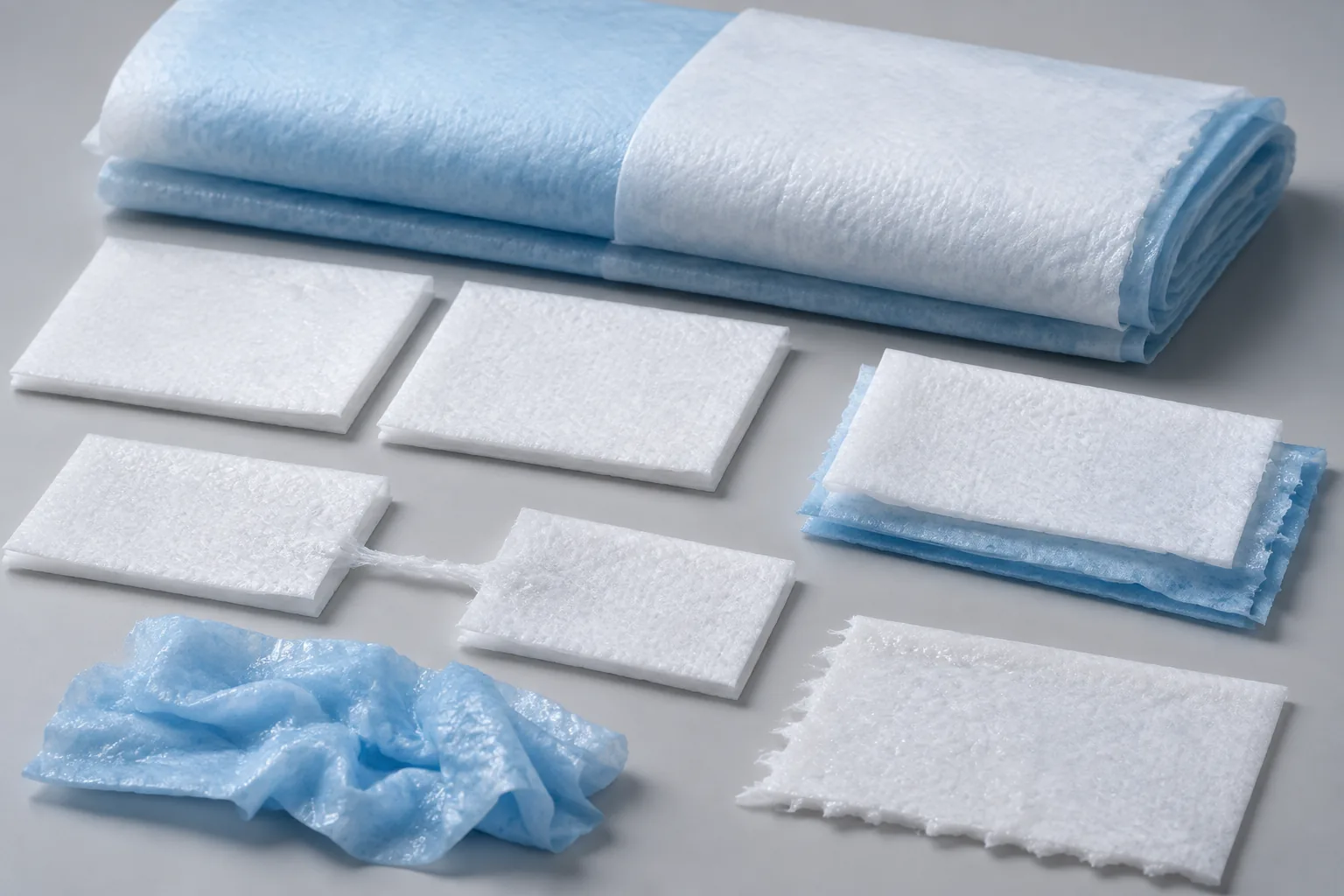
Films & Foils
Wet Wipe Nonwoven Cross-Cutting
Review lotion level, fold count, nonwoven strength, compression and discharge when specifying cross-cut knives for wet wipe webs.
Read the application guide →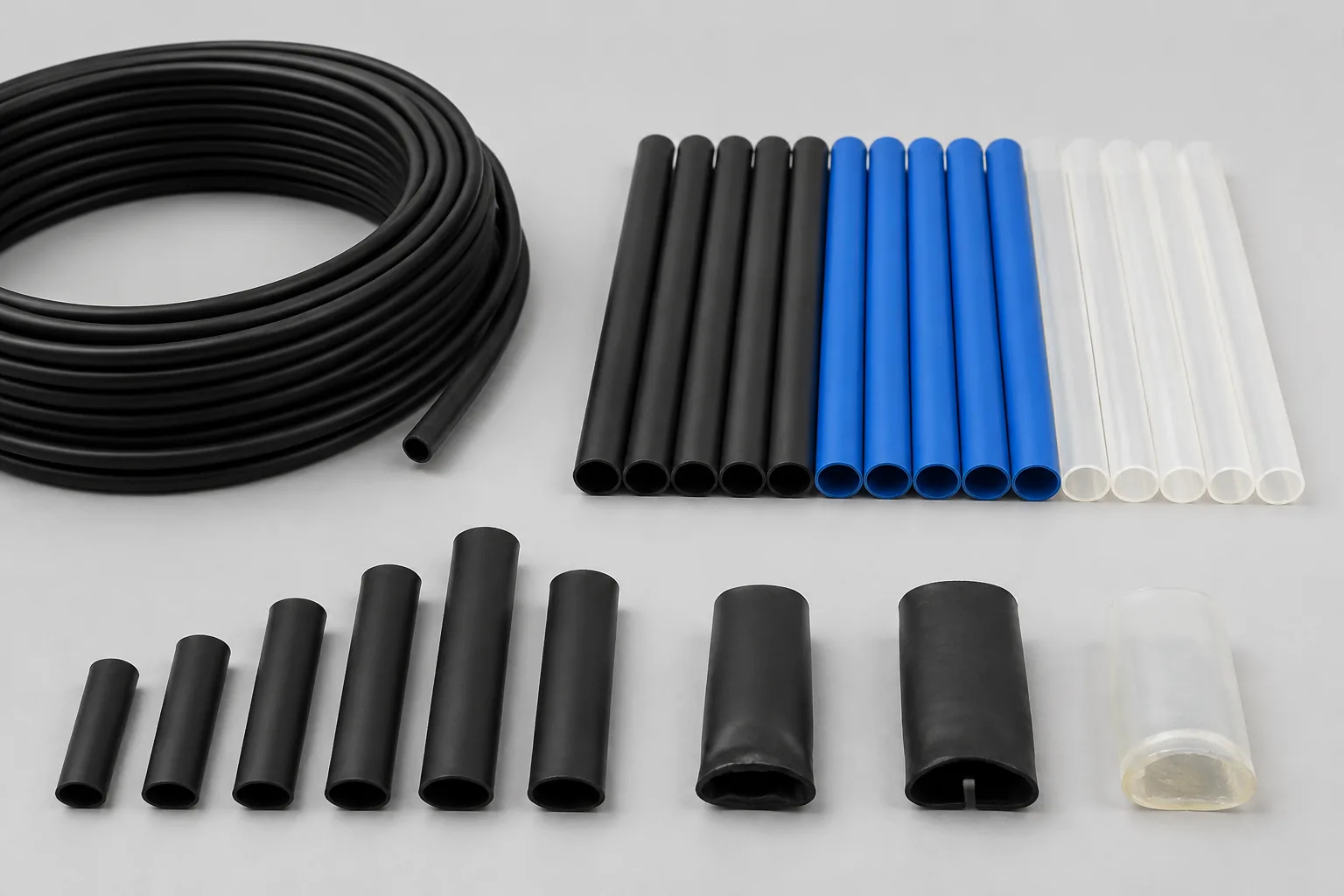
Packaging & Paper
Heat-Shrink Insulation Tube Cutting
Review tubing polymer, diameter, wall thickness, ovality and feed restraint when selecting cutoff knives for heat-shrink insulation tube.
Read the application guide →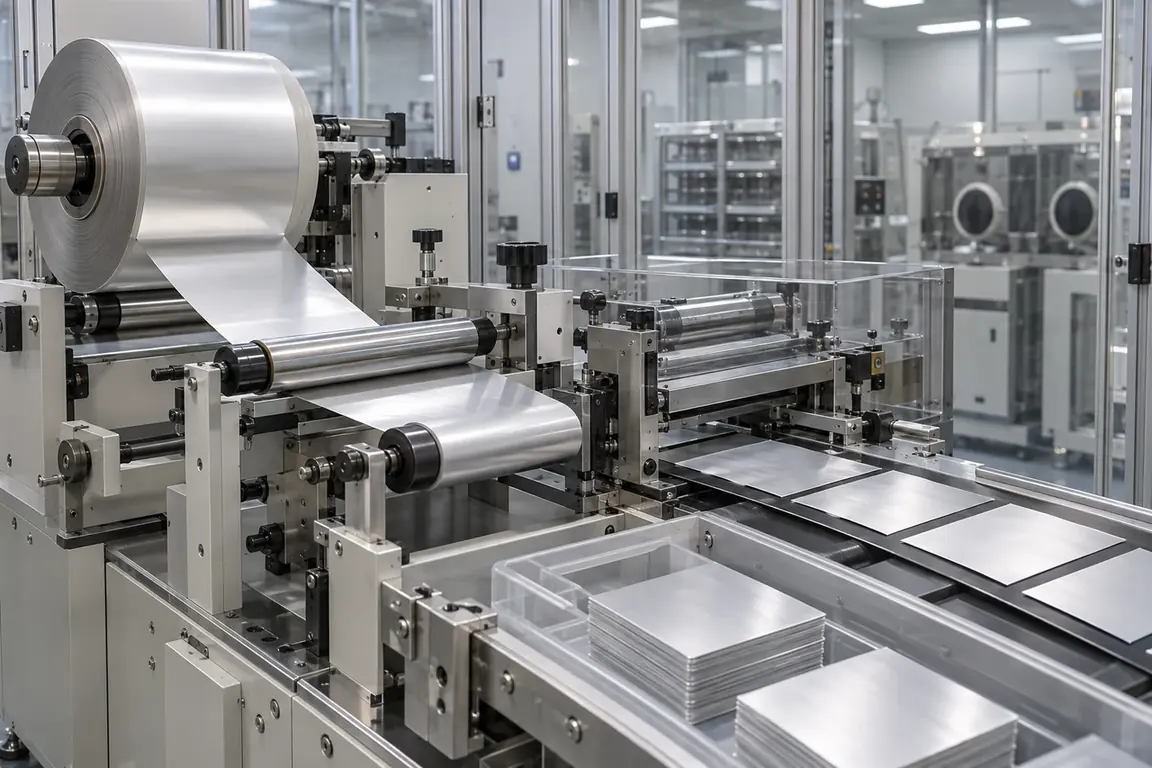
Films & Foils
Lithium Metal Anode Foil Punching Blades
Application guide for lithium metal anode foil punching blades, covering soft-foil support, blank release, edge condition and clean handling.
Read the application guide →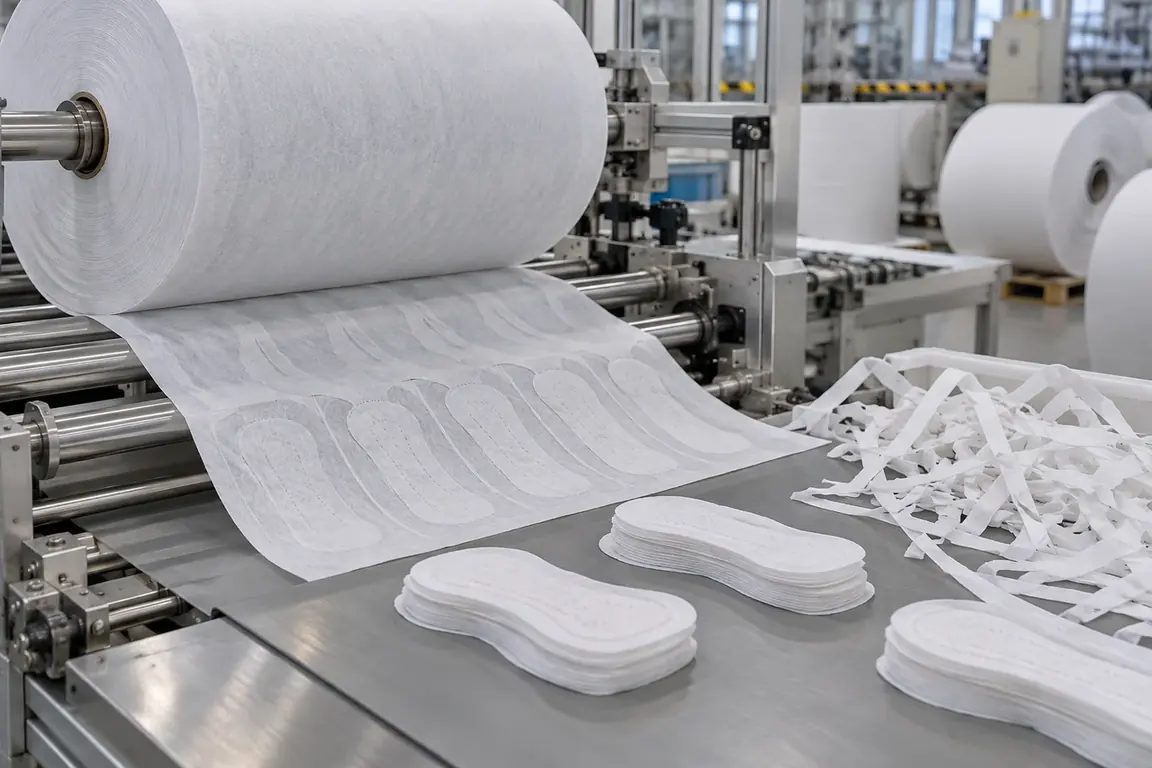
Films & Foils
Hygiene Acquisition Distribution Layer Cutting Blades
Application guide for hygiene ADL nonwoven cutting blades, covering profile integrity, fiber control, layer registration and high-cycle waste removal.
Read the application guide →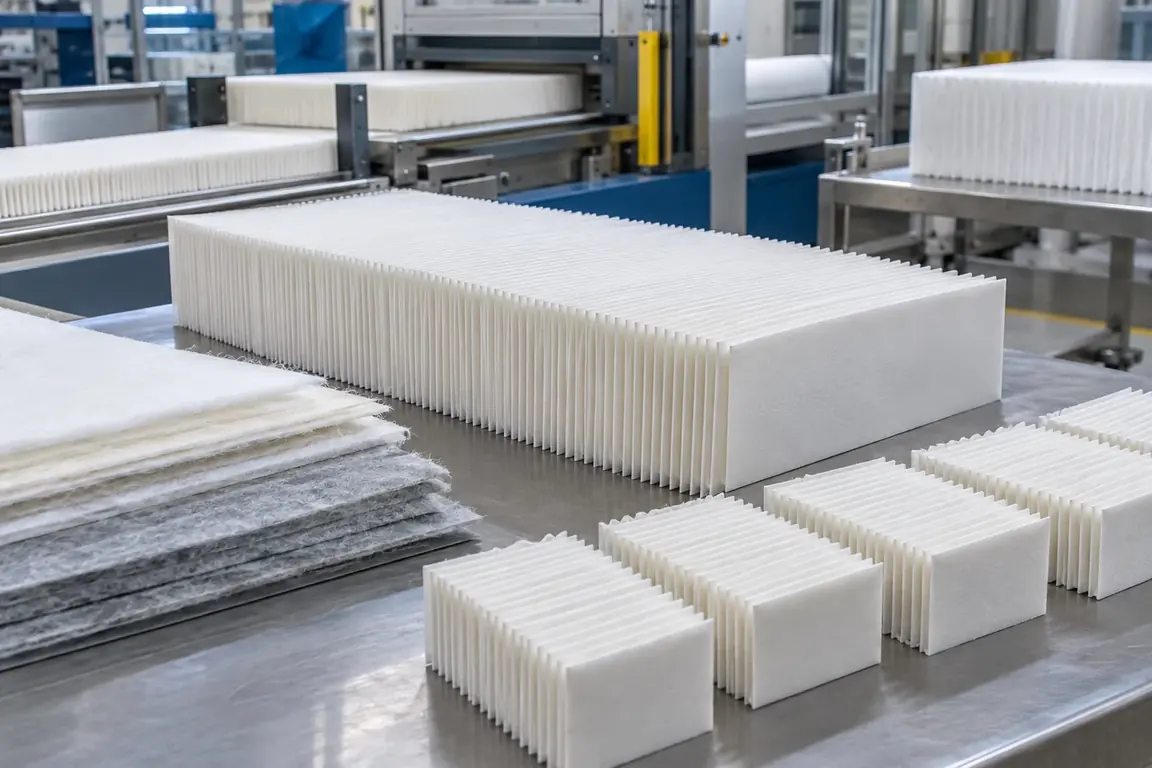
Filtration & Membranes
Pleated Filter Media Pack Cross-Cutting Blades
Application guide for pleated filter-pack cross-cutting blades, covering pleat support, layer separation, square ends, debris and pack-length control.
Read the application guide →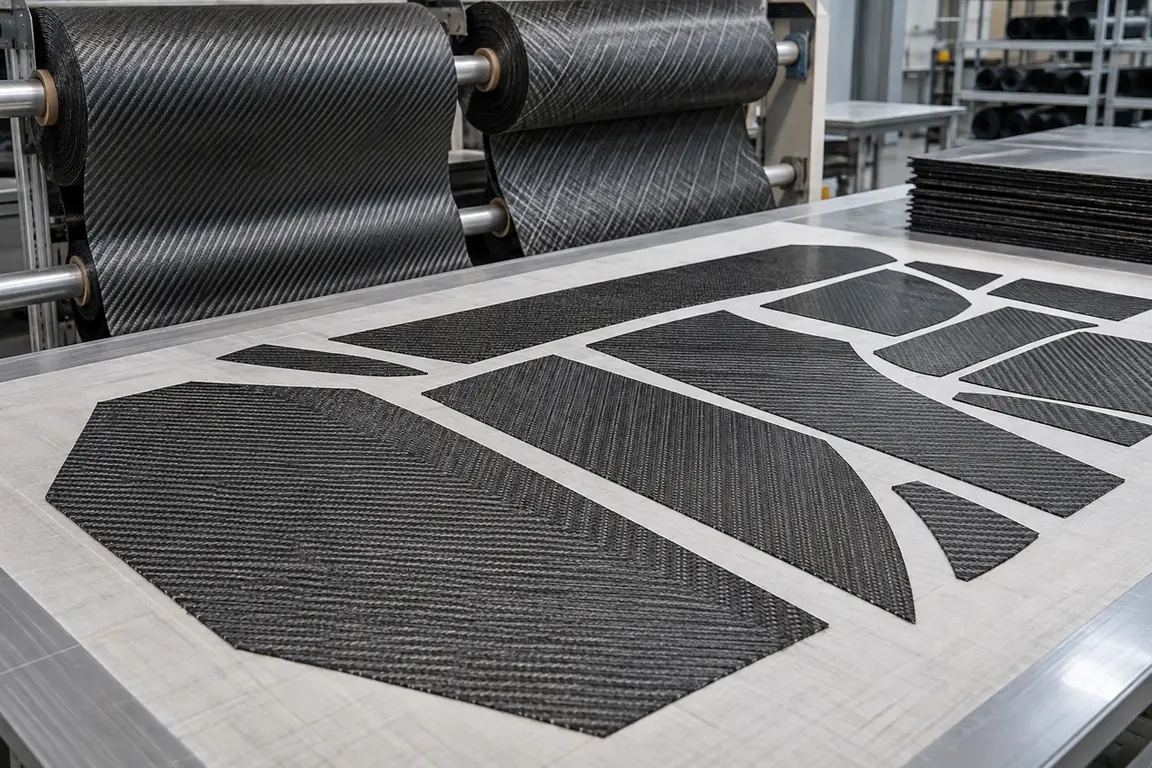
Plastics & Polymer Processing
Carbon Fiber Non-Crimp Fabric Ply Cutting Blades
Application guide for carbon non-crimp fabric ply cutting blades, covering tow stability, stitched layers, profile accuracy and clean preform handling.
Read the application guide →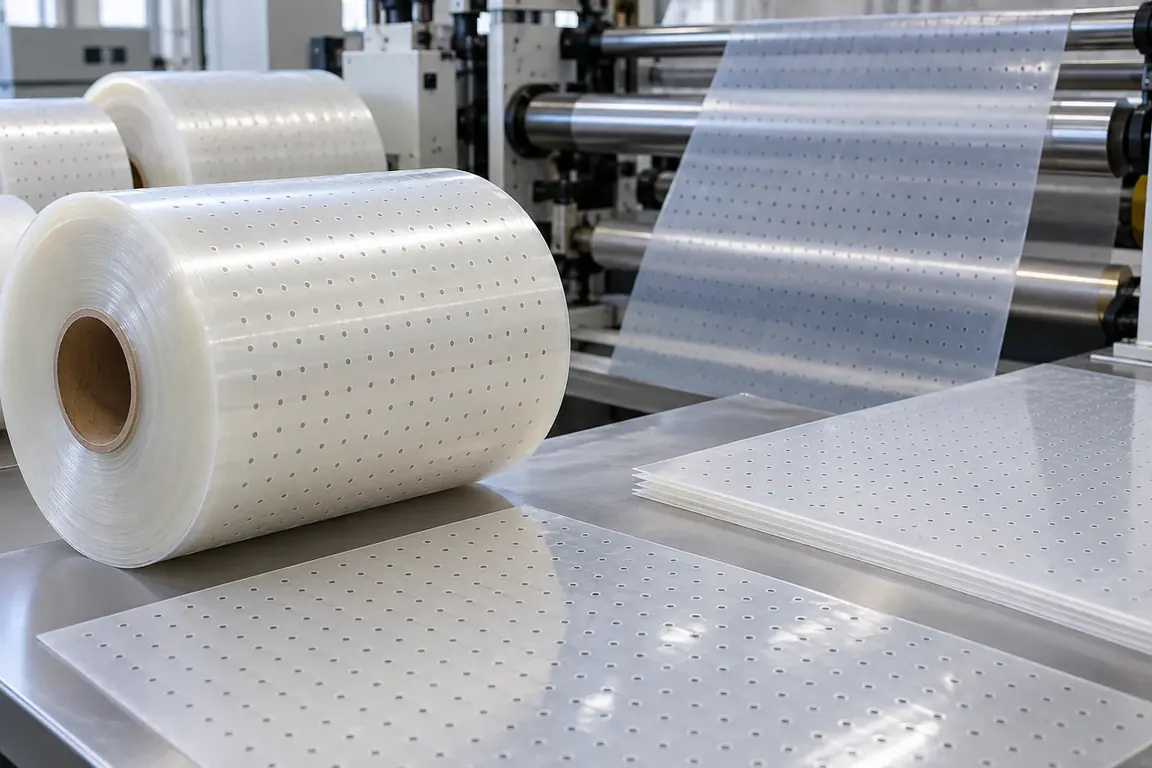
Films & Foils
Perforated Composite Release Film Slitting Blades
Application guide for perforated composite release film slitting blades, covering hole integrity, film tension, static control and clean sheet preparation.
Read the application guide →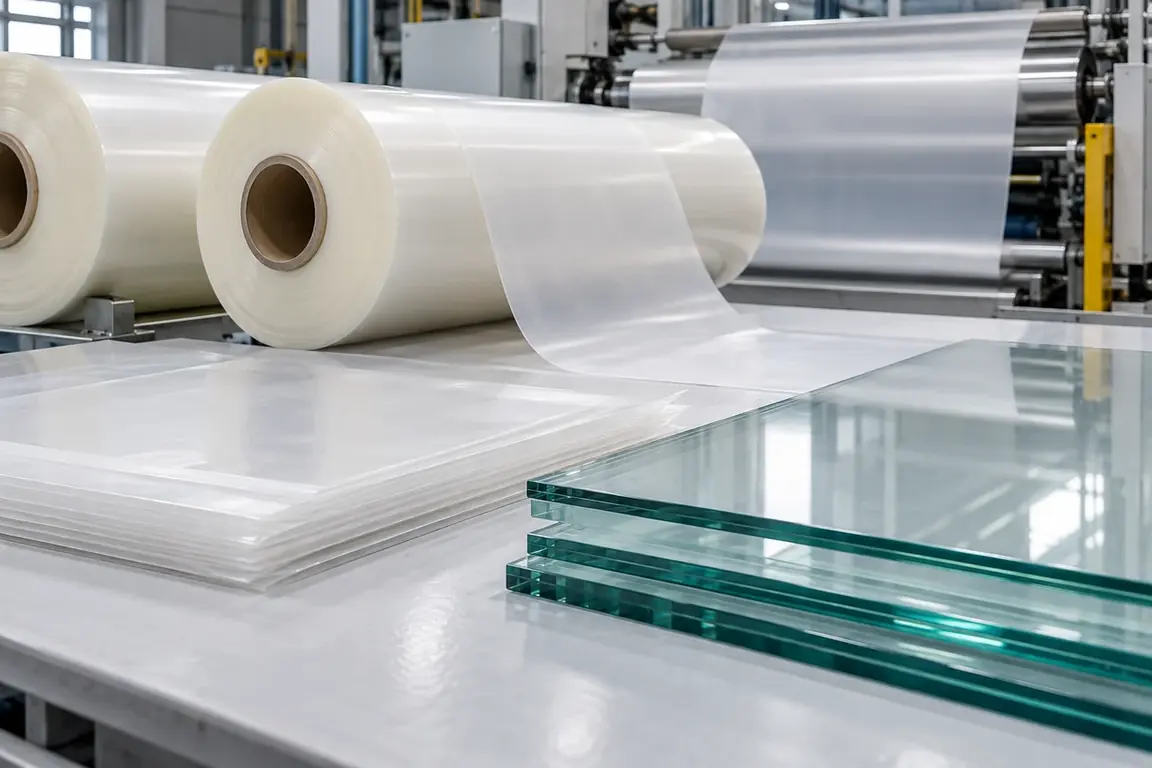
Films & Foils
PVB Laminated Glass Interlayer Film Slitting Blades
Application guide for PVB laminated-glass interlayer slitting blades, covering soft-film edges, blocking, width control and clean sheet handling.
Read the application guide →
Adhesives, Labels & Printing
Silicone Release Paper Cross Cutting: Flat Sheets Without Edge Damage
Review silicone release paper cross cutting for square sheets, low dust, intact coatings and reliable stacking, with practical RFQ information.
Read the application guide →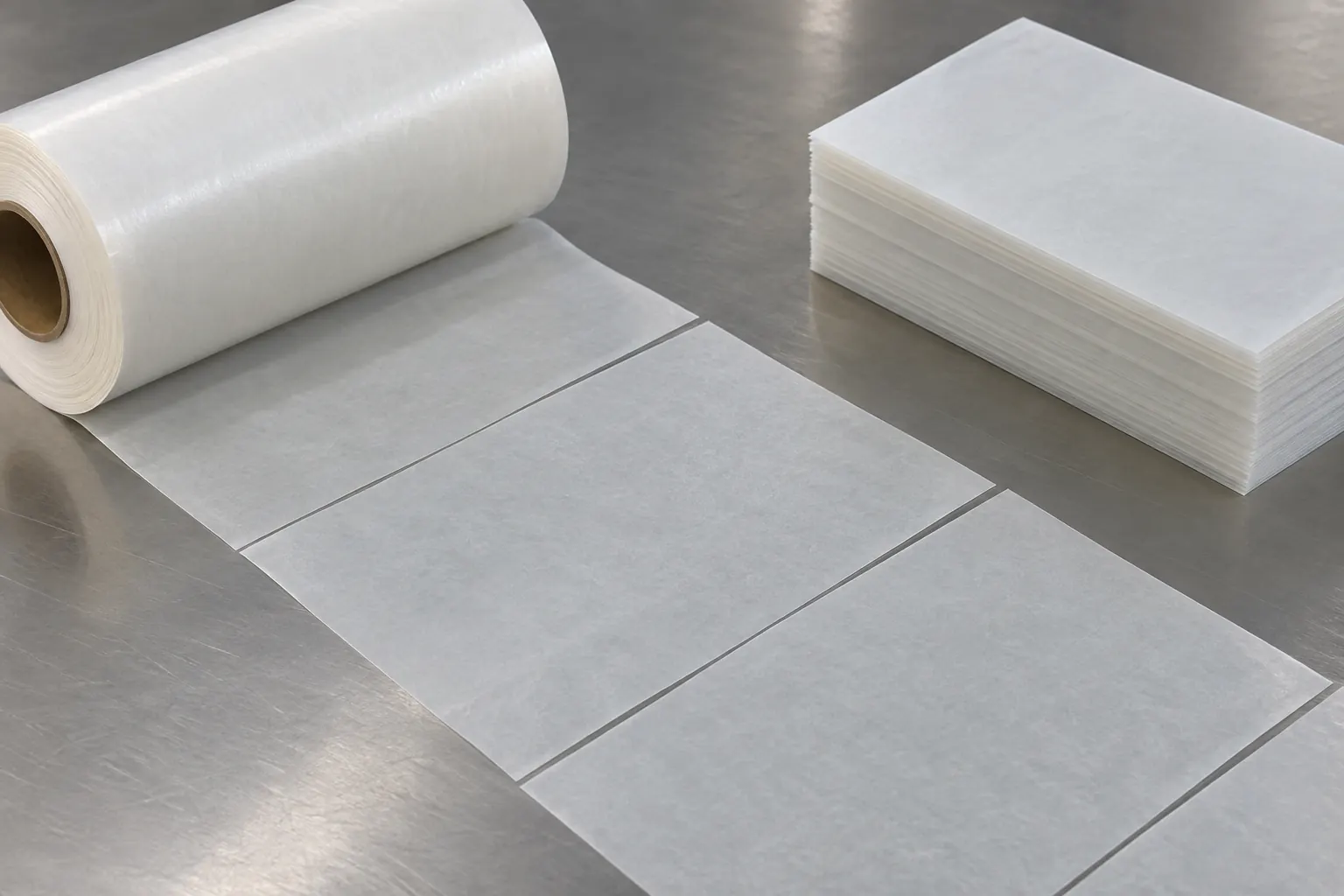
Adhesives, Labels & Printing
Glassine Liner Paper Cross Cutting: Accurate, Flat Release Sheets
Technical guide to cross cutting glassine liner paper for clean dense edges, accurate sheet length, controlled curl and dependable stacking.
Read the application guide →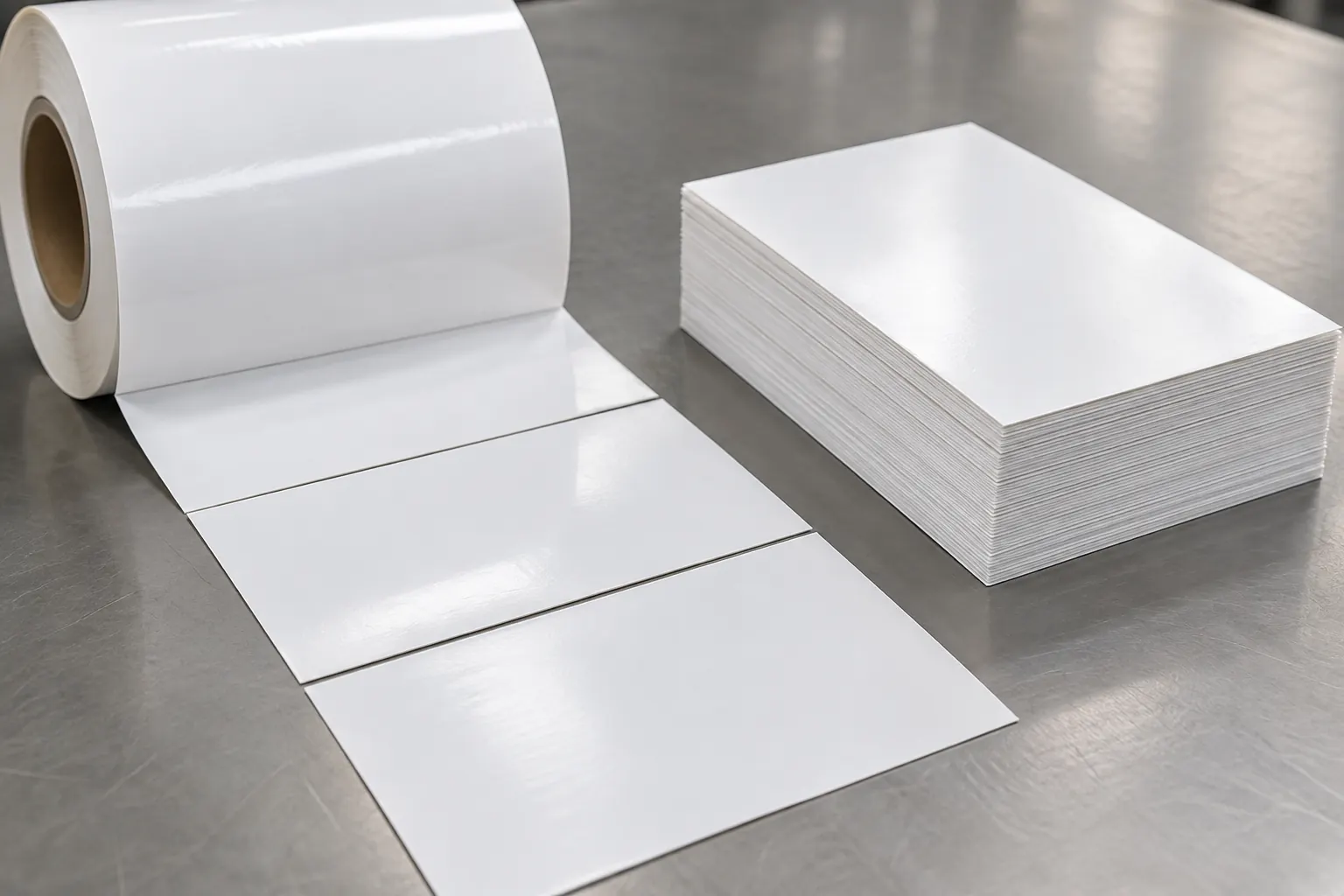
Adhesives, Labels & Printing
Clay-Coated Label Paper Cross Cutting: Clean Printed Sheets
Technical guide to cross cutting clay-coated label paper with clean coating edges, accurate sheet geometry and scratch-free stacking.
Read the application guide →
Adhesives, Labels & Printing
Water-Based Coated Poster Paper Cross Cutting: Clean Display Sheets
Technical guide to cross cutting water-based coated poster paper for accurate display sheets, clean edges, flatness and protected surfaces.
Read the application guide →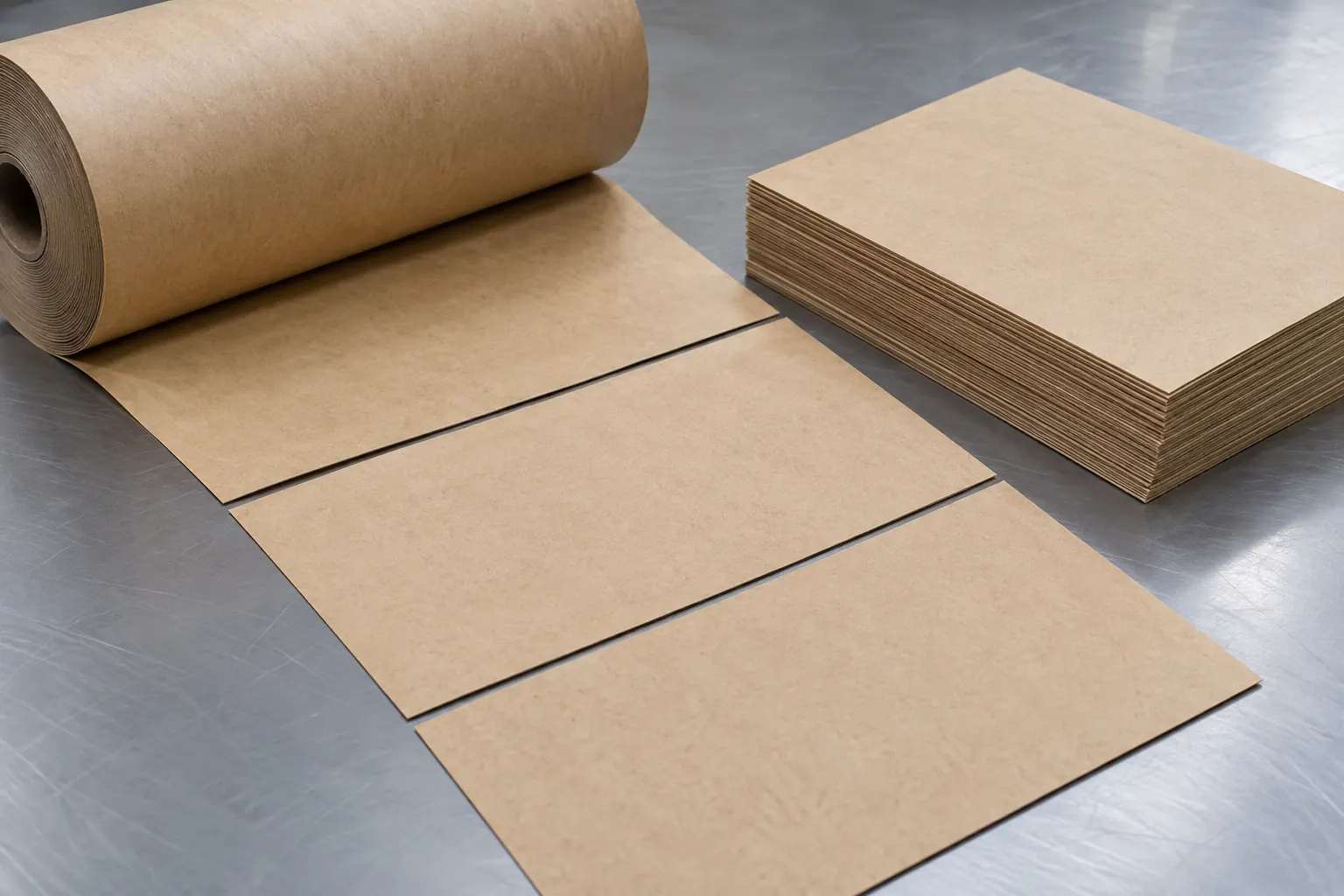
Adhesives, Labels & Printing
Kraft Interleaving Paper Cross Cutting: Clean Protective Sheets
Technical guide to cross cutting kraft interleaving paper for clean protective sheets, accurate size, low fibers and reliable stacking.
Read the application guide →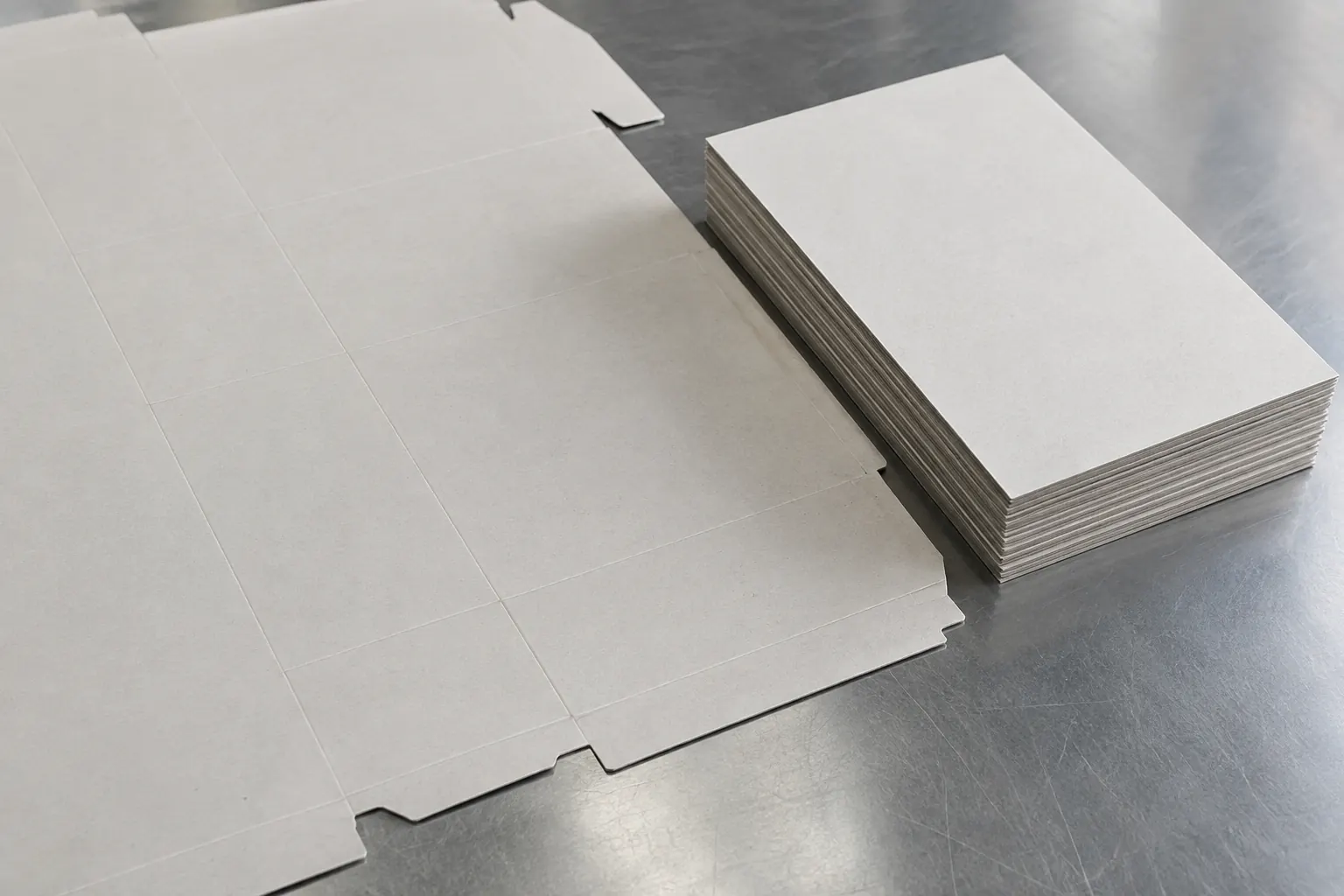
Packaging & Paper
Folding Boxboard Cut to Size: Accurate Sheets Without Ply Damage
Technical guide to cutting folding boxboard to size with accurate geometry, clean layered edges, protected coatings and dependable stacks.
Read the application guide →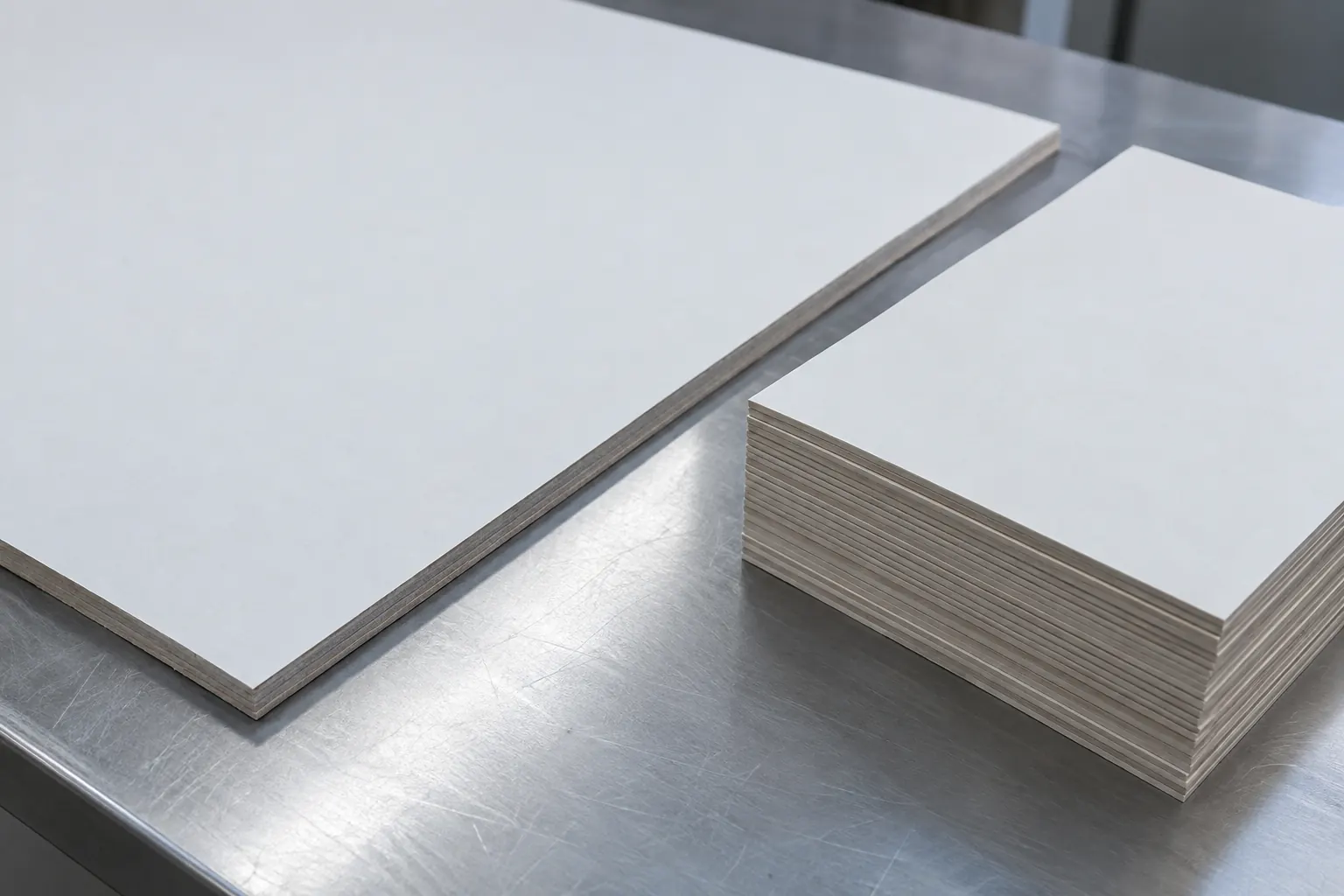
Packaging & Paper
Liquid Packaging Board Cut-to-Size Blades
Technical guide to sizing liquid packaging board while controlling coating damage, squareness, fiber dust and dimensional variation.
Read the application guide →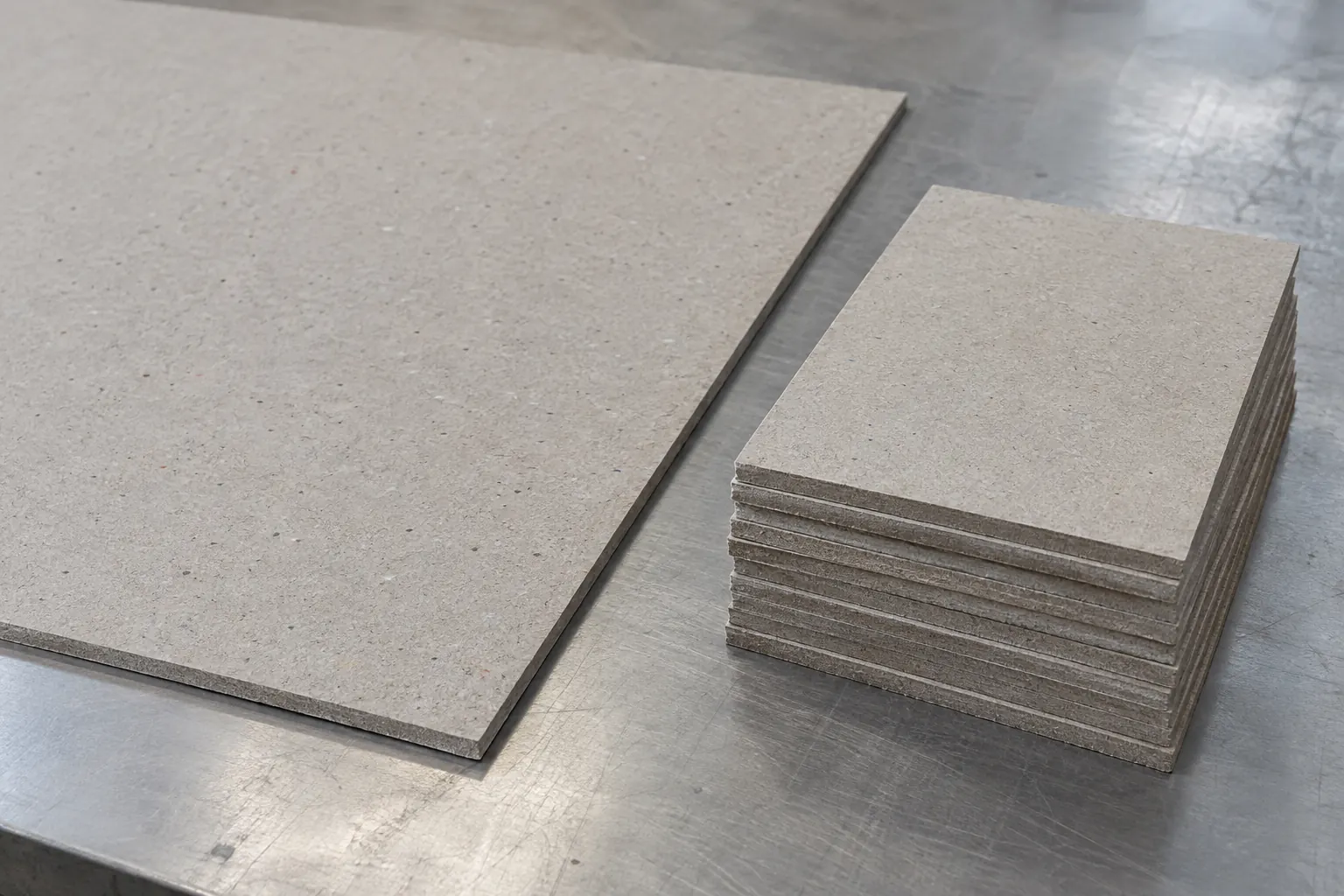
Packaging & Paper
Recycled Grey Chipboard Cut-to-Size Blades
Technical guidance for sizing recycled grey chipboard with accurate length, square corners, limited dust and complete stack separation.
Read the application guide →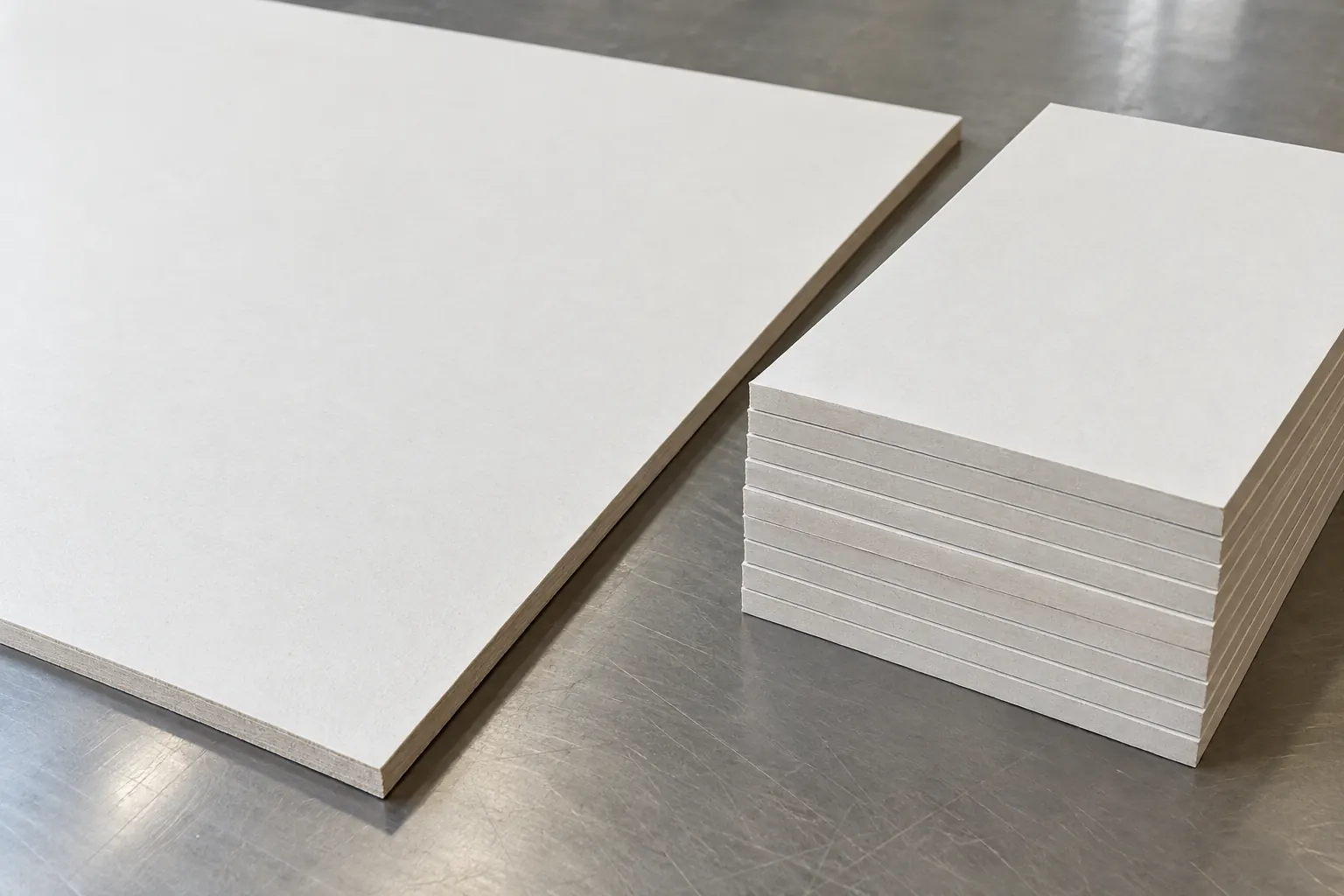
Packaging & Paper
Solid Bleached Sulfate Board Cut-to-Size Blades
Application guidance for cut-to-size SBS board, covering squareness, coating protection, clean white edges and sheet handling.
Read the application guide →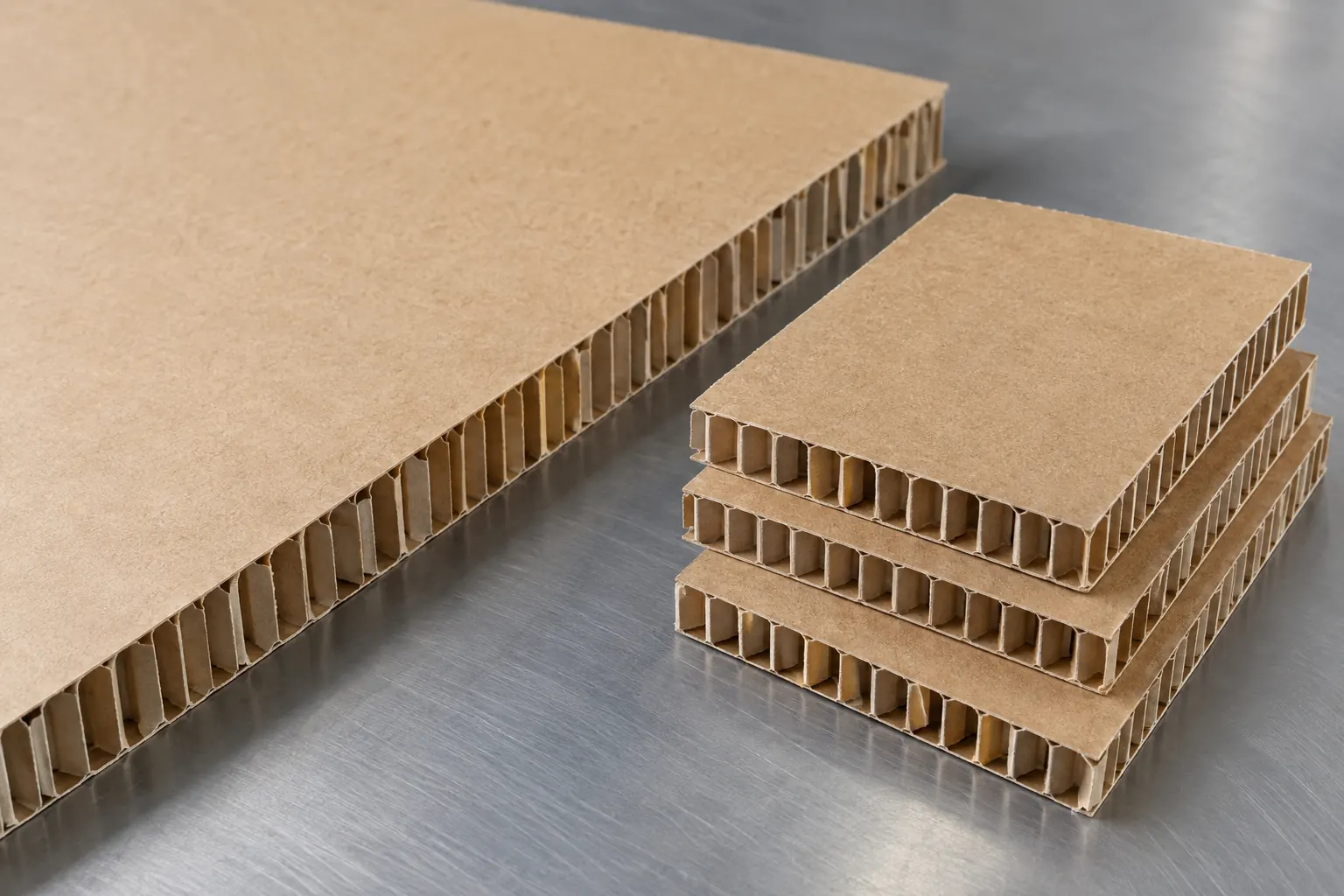
Packaging & Paper
Honeycomb Paper Panel Cut-to-Size Blades
Application guide for sizing honeycomb paper panels with square geometry, flush facings, limited core collapse and clean ends.
Read the application guide →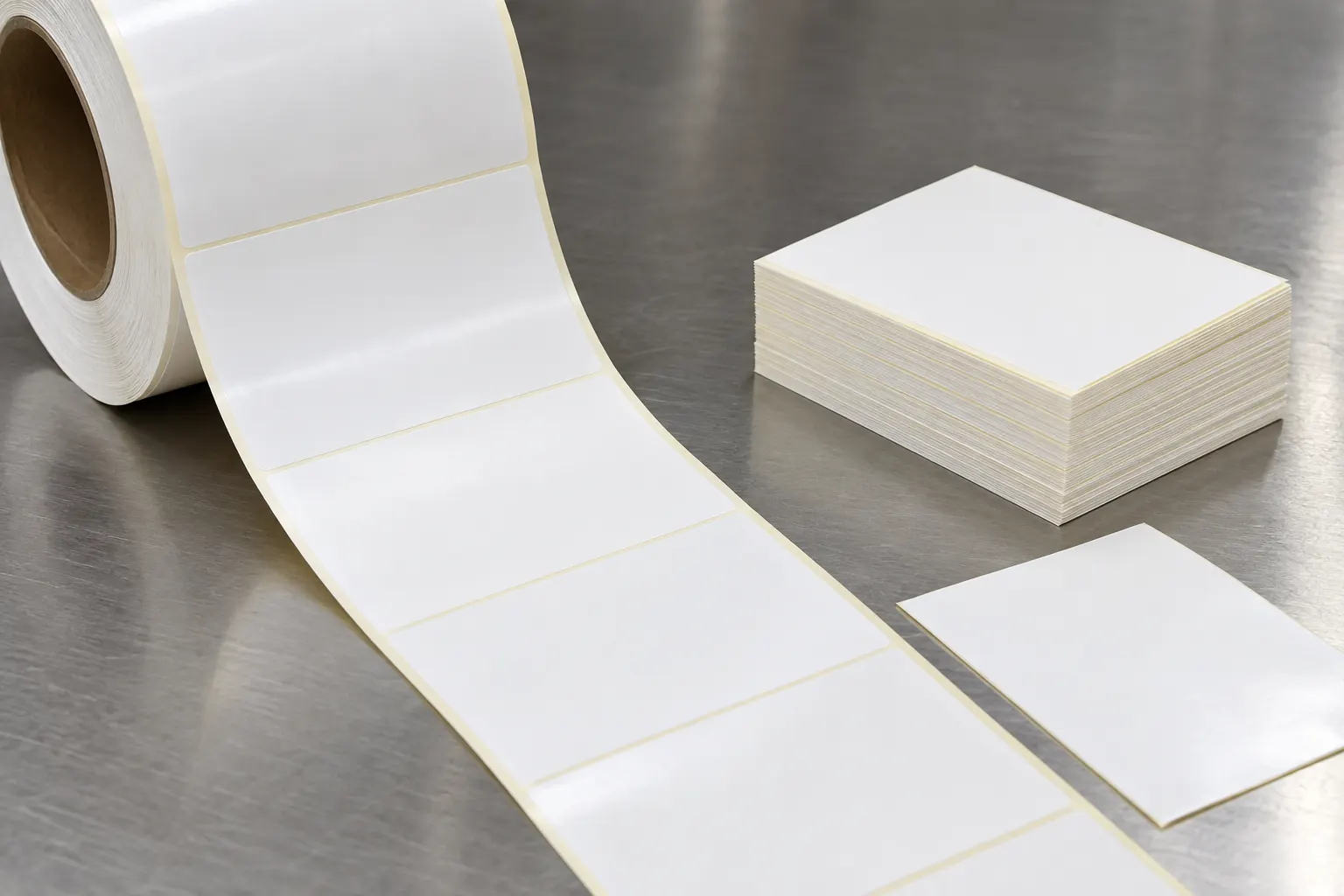
Adhesives, Labels & Printing
Self-Adhesive Labelstock Cross-Cutting Blades
Application guide for cross cutting labelstock into sheets with accurate length, clean laminate edges and limited adhesive transfer.
Read the application guide →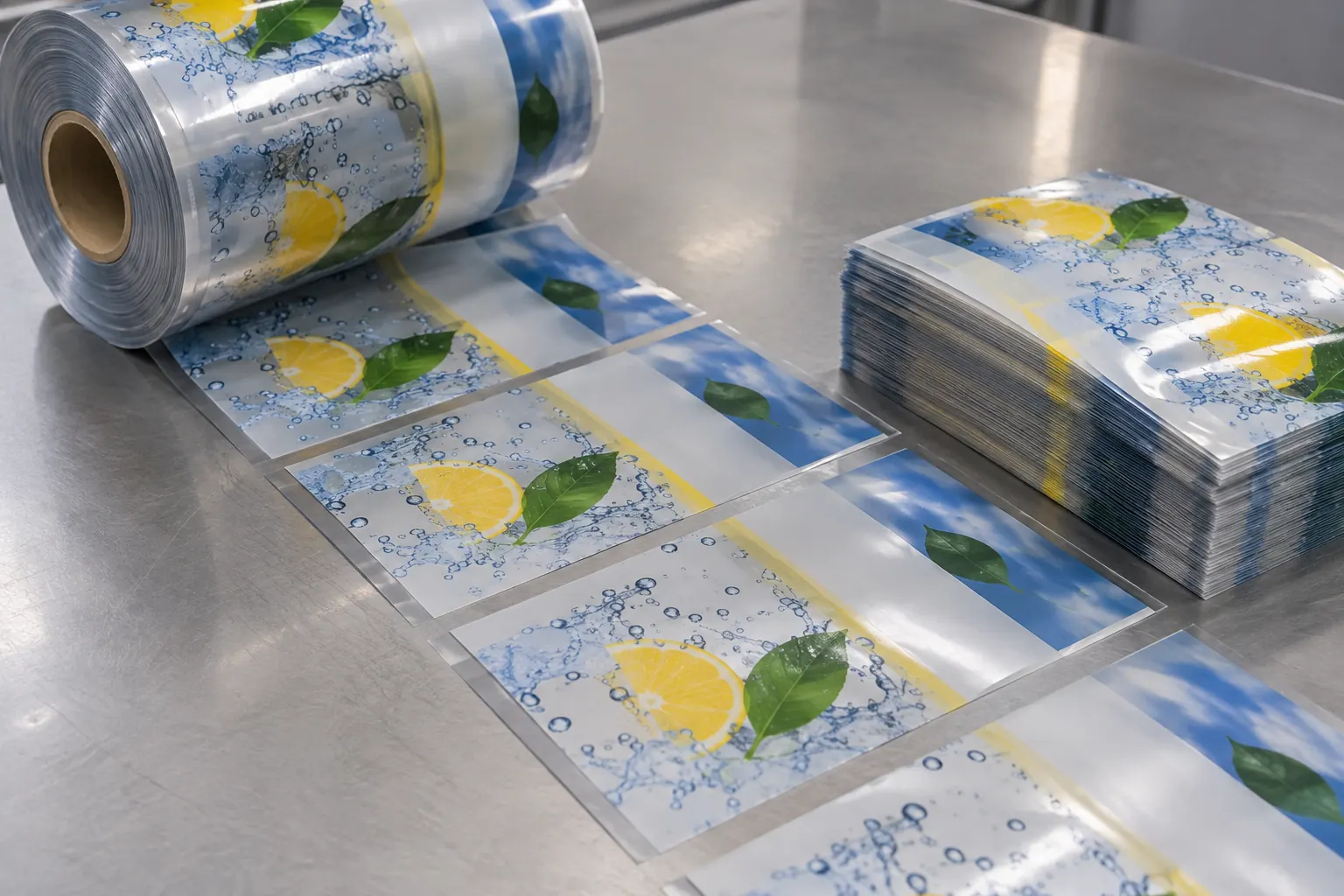
Adhesives, Labels & Printing
Shrink Sleeve Label Web Cross-Cutting Blades
Application guidance for cross cutting shrink sleeve film with registered length, clean transverse edges and limited static or curl.
Read the application guide →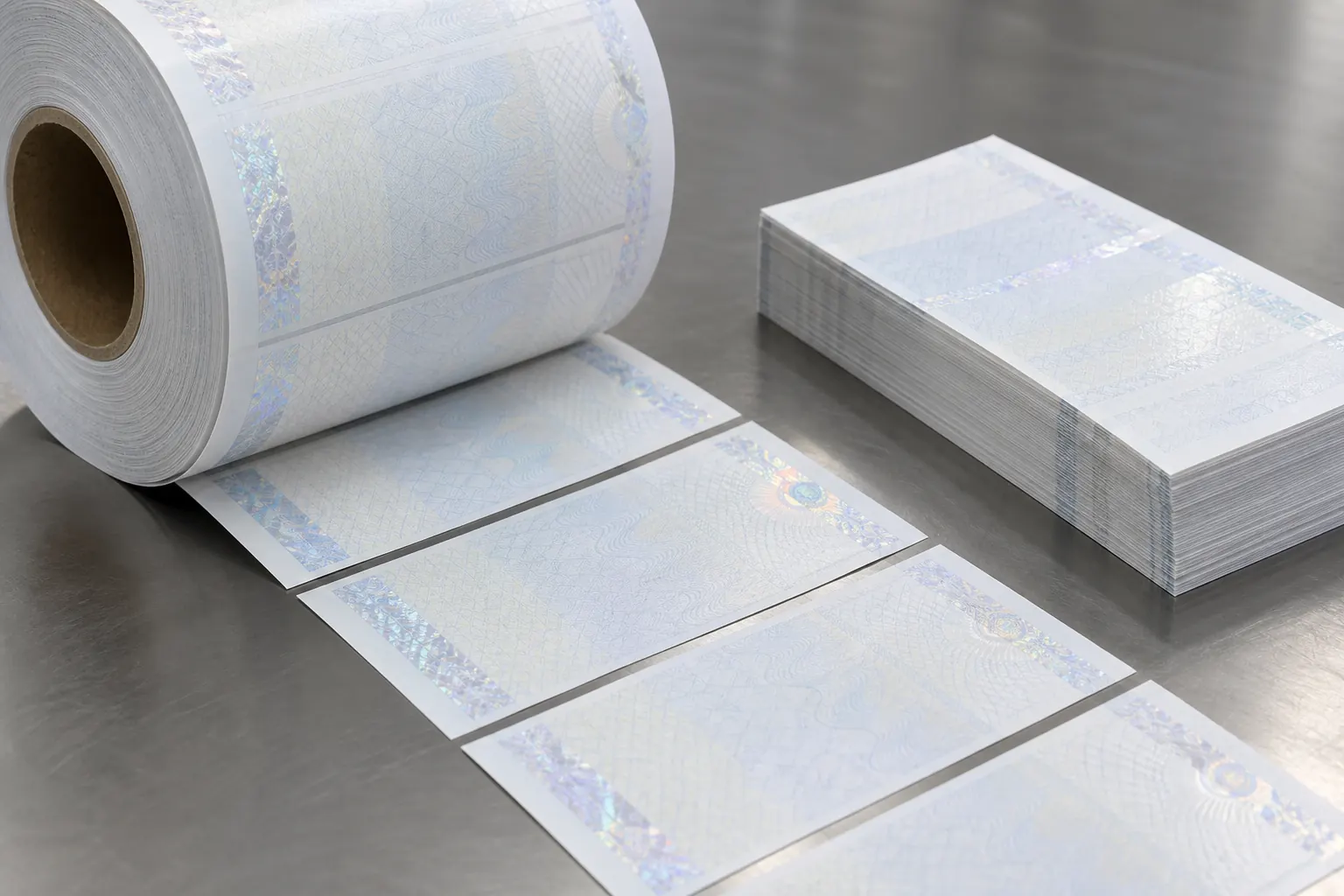
Adhesives, Labels & Printing
Security Paper Label Stock Cross-Cutting Blades
Application review for cross cutting security label paper with repeat accuracy, protected embedded features and auditable scrap control.
Read the application guide →Industrial Blade Application Guides: From Material to Cutting Edge
Reliable cutting comes from a system, not a single hardness number. Industrial blade technology connects the processed material, cutting method, machine condition, blade material, heat treatment, geometry, grinding accuracy and maintenance practice.
This page gives engineers and buyers a practical framework for discussing blade performance with Meirente before a quotation, trial or repeat-order improvement.
Start With the Cutting Application
A thin film, abrasive glass fiber, soft food product, polymer strand and electronic ceramic sheet place very different demands on a blade. The first questions should cover material behavior, thickness, speed, cutting gap, temperature, contamination, target finish and the cost of downtime.
Material Selection Is a Balance
Tool steel, stainless steel, high-speed steel, powder-metallurgy grades, tungsten carbide and coated solutions offer different combinations of hardness, toughness, wear resistance, corrosion resistance and cost. Selection should reflect the dominant failure risk instead of using the same grade for every application.
Edge Geometry Controls How the Blade Enters the Material
Bevel angle, single- or double-bevel direction, edge thickness, tooth pitch, tooth height, rake and clearance influence cutting force, dust, burrs, heat and edge strength. A sharper edge can reduce force, but an edge that is too thin may chip or deform under impact.
Heat Treatment, Grinding and Surface Engineering
Heat treatment develops the material properties required by the design. Precision grinding then controls flatness, parallelism, runout, concentricity and final edge geometry. Surface finishing or coating may help with wear, friction, corrosion or material adhesion when the application and base material justify it.
Measurement and Failure Feedback
Inspection confirms whether the blade matches the agreed specification; production feedback confirms whether the specification matches the real process. Photos and records of wear, chipping, deformation, burrs, dust, motor load, heat and cutting hours help separate material problems from alignment, gap, vibration or contamination issues.
Is higher hardness always better?
No. Higher hardness can improve wear resistance but may reduce toughness. The correct balance depends on impact, material abrasiveness and machine stability.
Why does the same blade wear differently on two machines?
Alignment, holder condition, cutting gap, speed, cooling, vibration, contamination and processed material can all change blade life.
When should a coating be considered?
Consider it when wear, friction, corrosion or adhesion is a defined problem and the coating is compatible with the base material, edge and operating temperature.
What information helps diagnose chipping?
Provide the chipped location, installation direction, holder condition, cutting gap, speed, processed material, contamination risk and close-up photos.
Can edge geometry be changed without changing the machine?
Sometimes, but the blade-holder interface, clearance and cutting method must be reviewed before any geometry change is approved.