
Blade Application Guides
Browse focused application knowledge
Cutting guides by industry, process, equipment and defect
Use these curated topic pages to compare related materials and cutting conditions without relying on broad site search.
Industries
Cutting processes
Equipment types
Cutting defects
Technical Articles
Industrial cutting problem knowledge base
1857 Blade Application Guides
Search by material, industry, cutting process or a problem described in your own words. You do not need to know the exact blade name.
Plastics & Polymer Processing
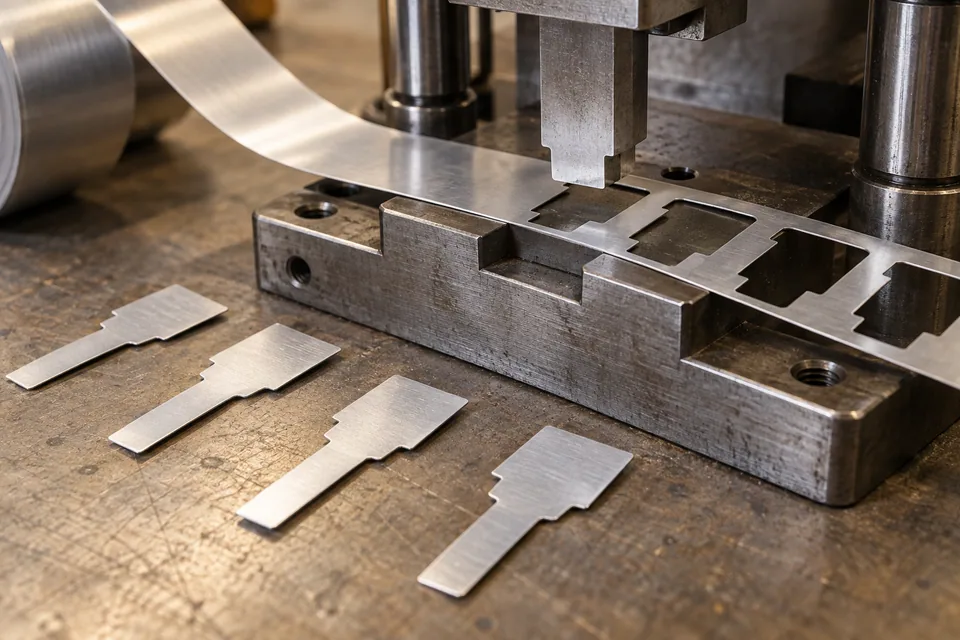
Aluminum Battery-Tab Stock Precision Blanking Blades
Trial punch-and-die profiles in standalone aluminum cathode-lead foil, with feature and weld-land inspection.
Read the application guide →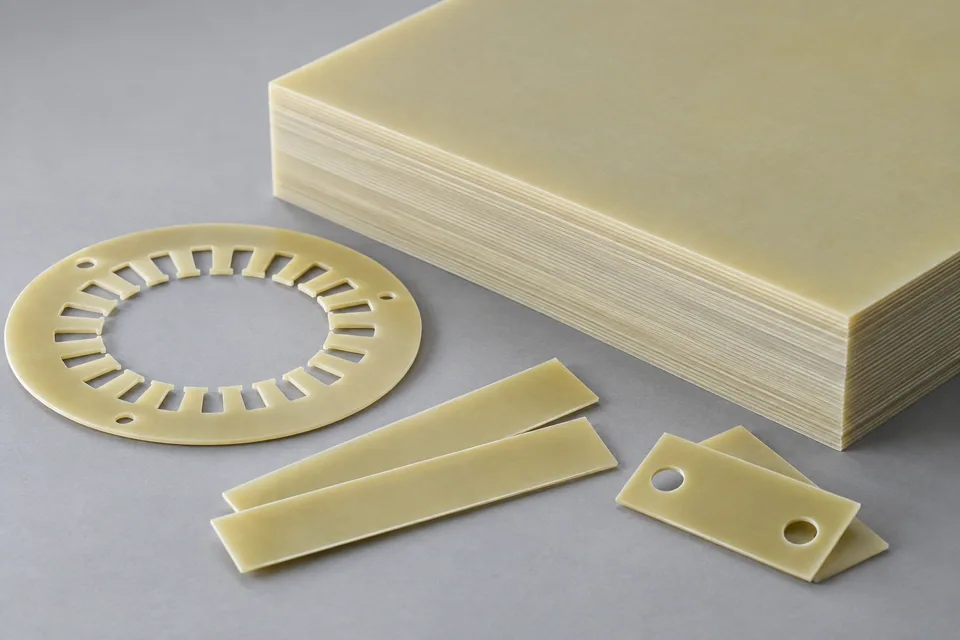
Films & Foils
NMN Motor-Insulation Laminate Sheet Slitting Blades
Separate flat NMN motor-insulation laminate into straight strips while inspecting Nomex/PET layer edges.
Read the application guide →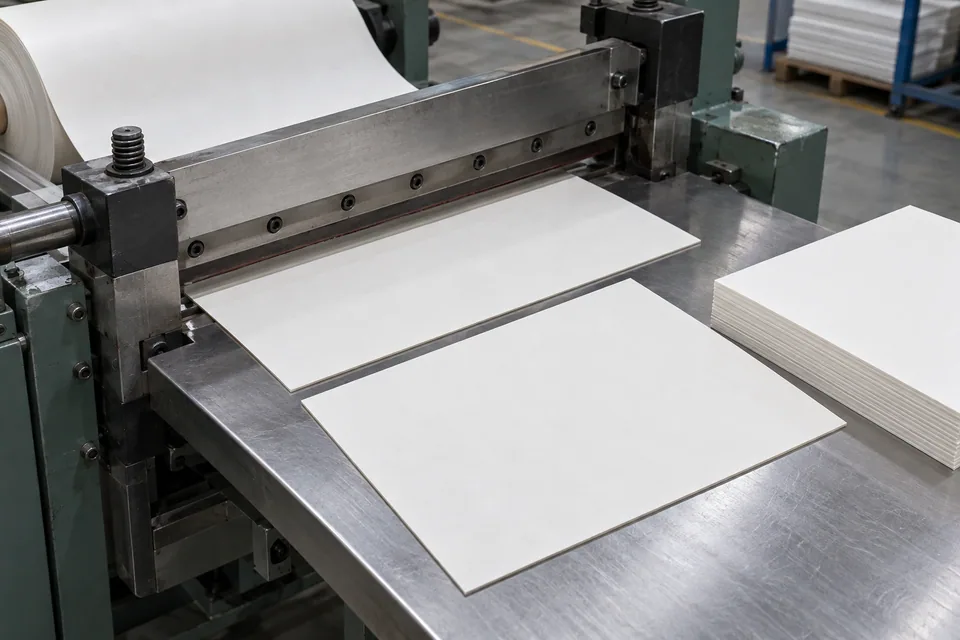
Packaging & Paper
NMN Motor-Insulation Laminate Cut-to-Size Blades
Crosscut NMN insulation material into rectangular motor blanks with layer and squareness checks.
Read the application guide →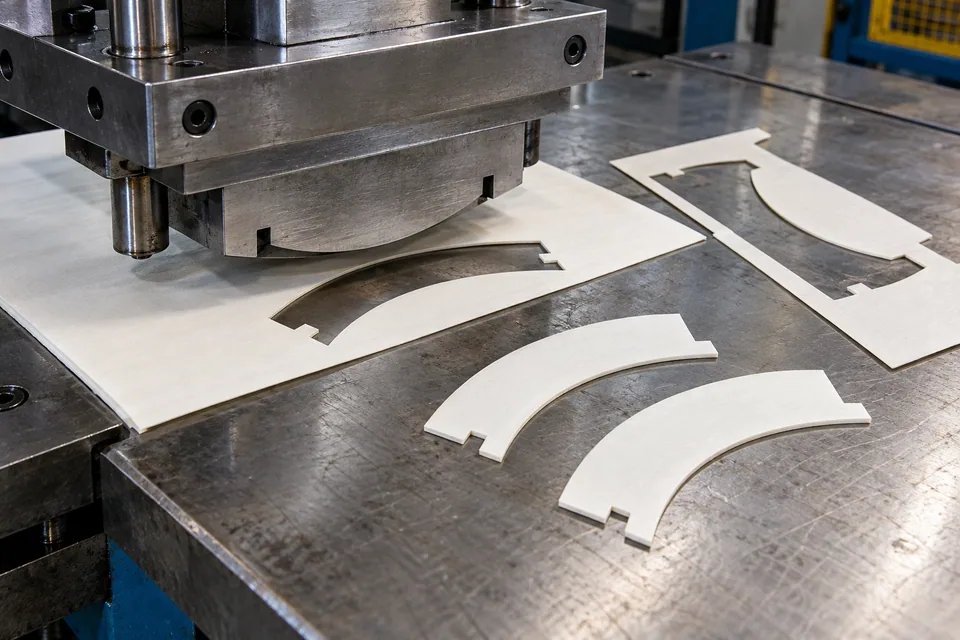
Films & Foils
NMN Motor-Insulation Laminate Contour-Cutting Blades
Cut shaped NMN motor-insulation pieces from a released profile while checking ply integrity at tight features.
Read the application guide →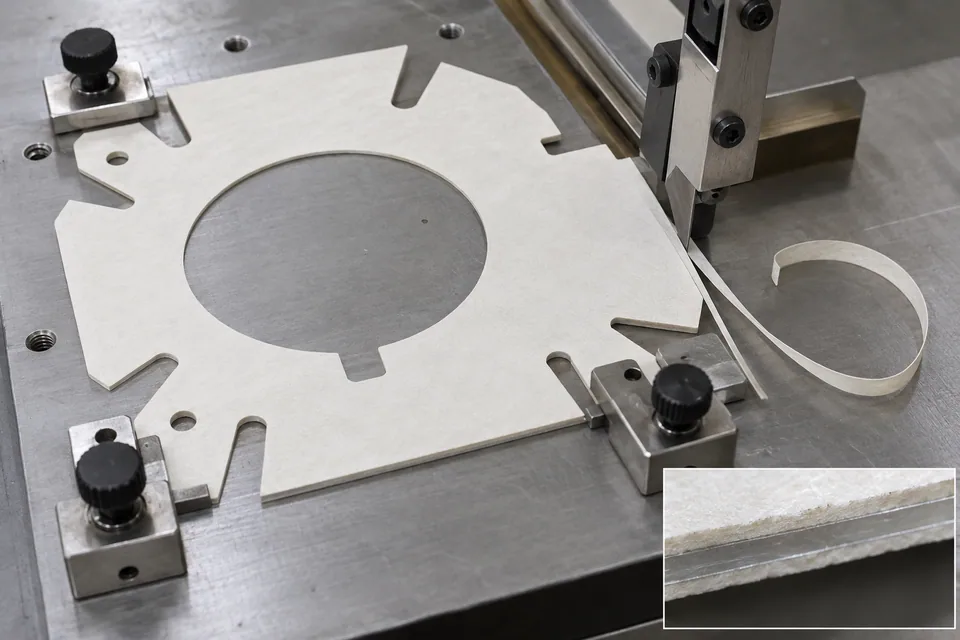
Films & Foils
NMN Motor-Insulation Laminate Precision-Trimming Blades
Perform a controlled finishing trim on an already cut NMN insulation blank without disturbing bonded layers.
Read the application guide →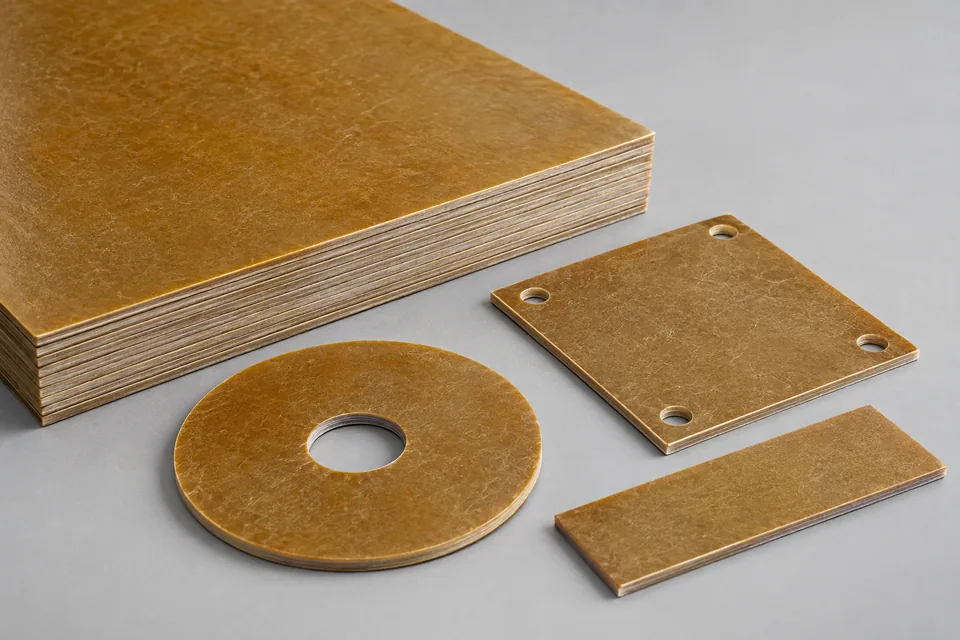
Packaging & Paper
Polyimide-Mica Insulation Laminate Sheet Slitting Blades
Cut flat mica-containing aramid/polyimide laminate into straight insulation strips with layer and dust checks.
Read the application guide →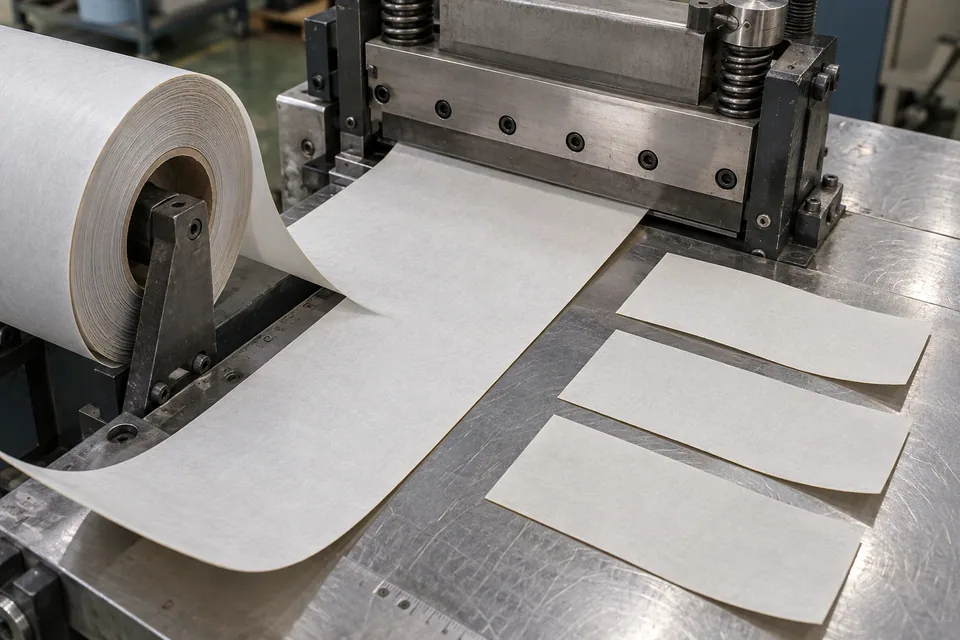
Packaging & Paper
Polyimide-Mica Insulation Laminate Cut-to-Size Blades
Crosscut mica-containing polyimide laminate into rectangular motor-insulation blanks while preserving plies.
Read the application guide →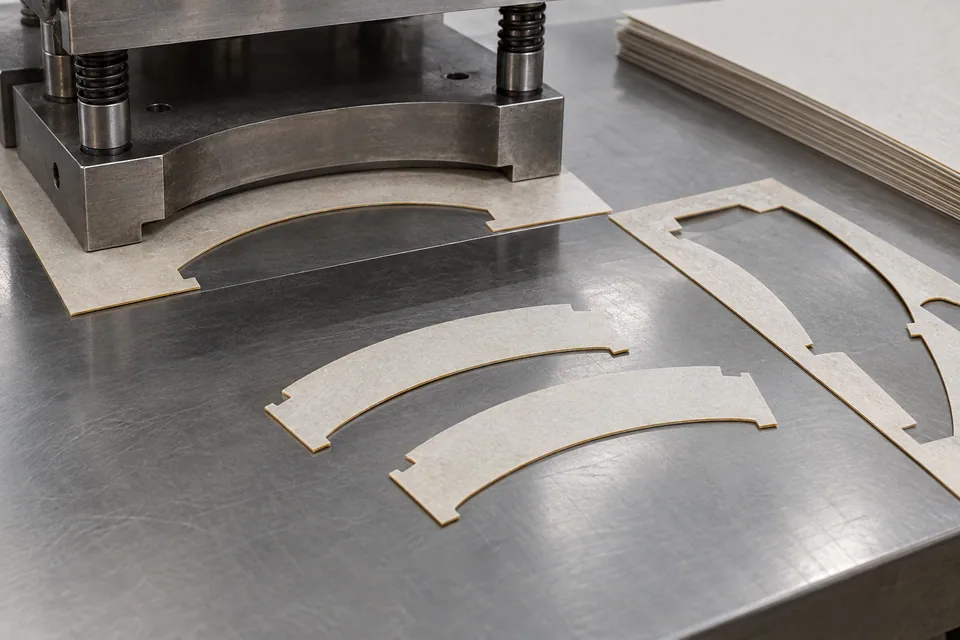
Films & Foils
Polyimide-Mica Insulation Laminate Contour-Cutting Blades
Shape NKN-type mica-containing polyimide laminate to a motor-part outline with notch and layer checks.
Read the application guide →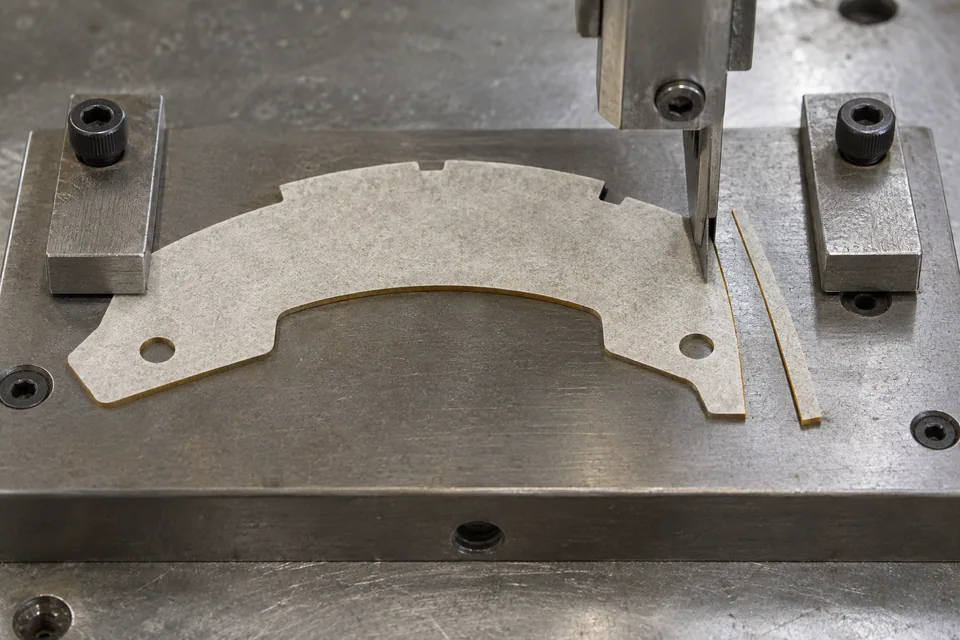
Films & Foils
Polyimide-Mica Insulation Laminate Precision-Trimming Blades
Trim a documented excess edge from an already cut NKN-type motor insulation part with layer and fit checks.
Read the application guide →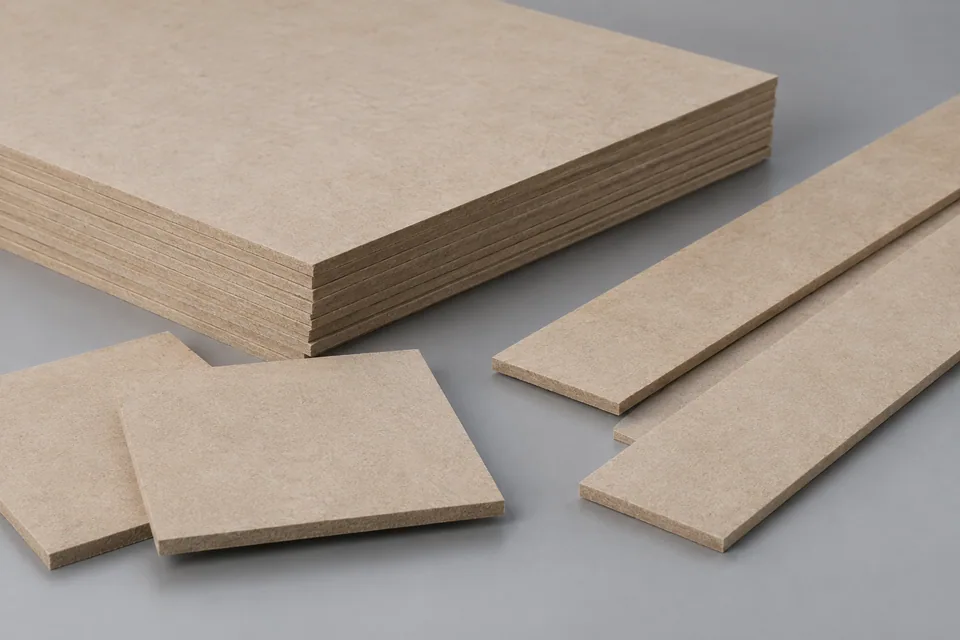
Foams & Insulation
Transformer Electrical Pressboard Sheet Slitting Blades
Cut transformer-grade pressboard sheets into straight strips with fiber-edge and moisture-control checks.
Read the application guide →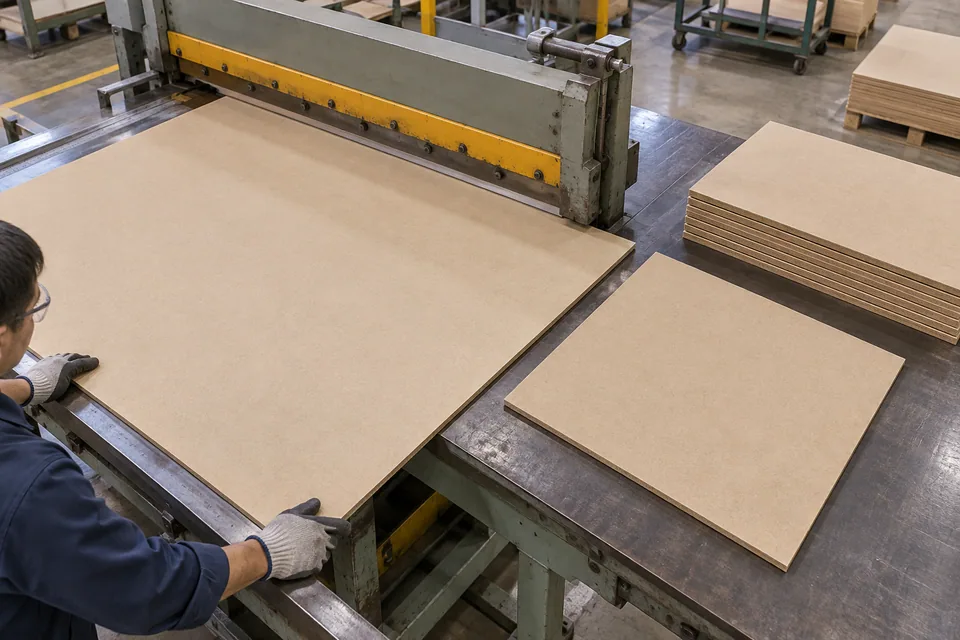
Foams & Insulation
Transformer Electrical Pressboard Cut-to-Size Blades
Cut transformer electrical pressboard into rectangular barrier blanks with squareness, edge and handling checks.
Read the application guide →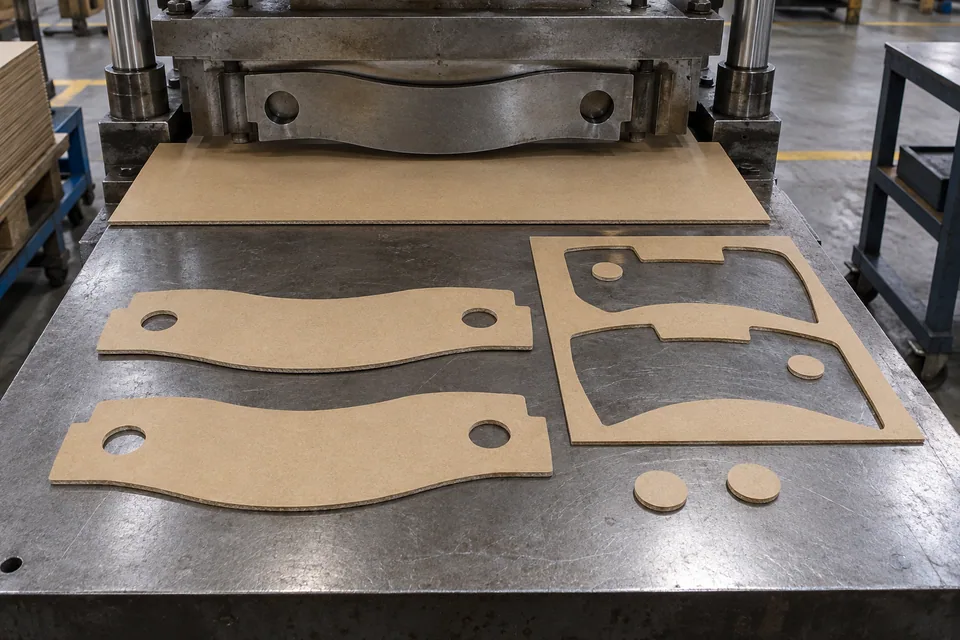
Plastics & Polymer Processing
Transformer Electrical Pressboard Contour-Cutting Blades
Shape transformer electrical pressboard into drawing-defined insulation barriers while checking fibers and dust.
Read the application guide →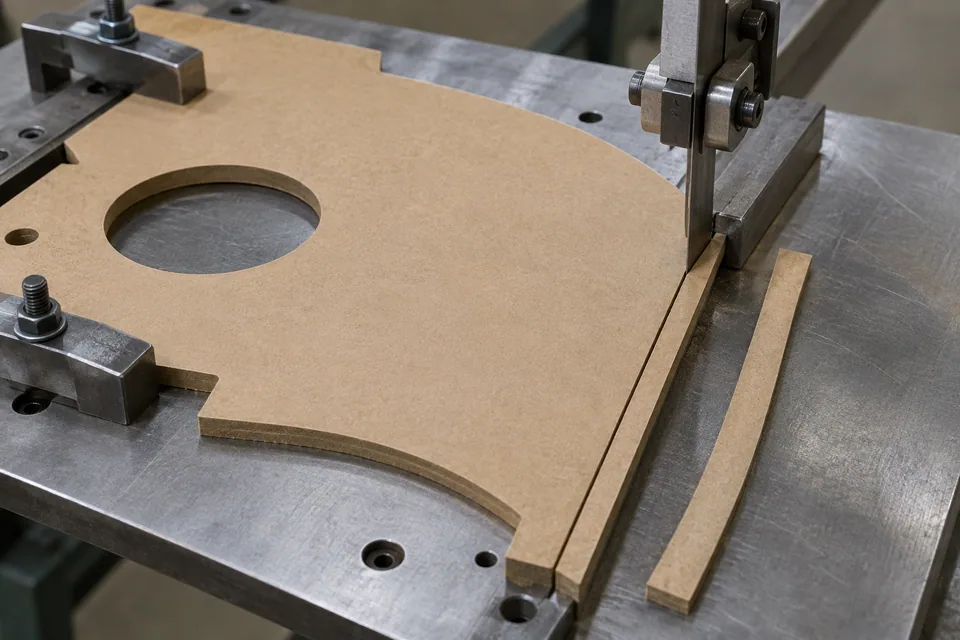
Foams & Insulation
Transformer Electrical Pressboard Precision-Trimming Blades
Trim a measured surplus edge from an already cut pressboard part while retaining transformer insulation coverage.
Read the application guide →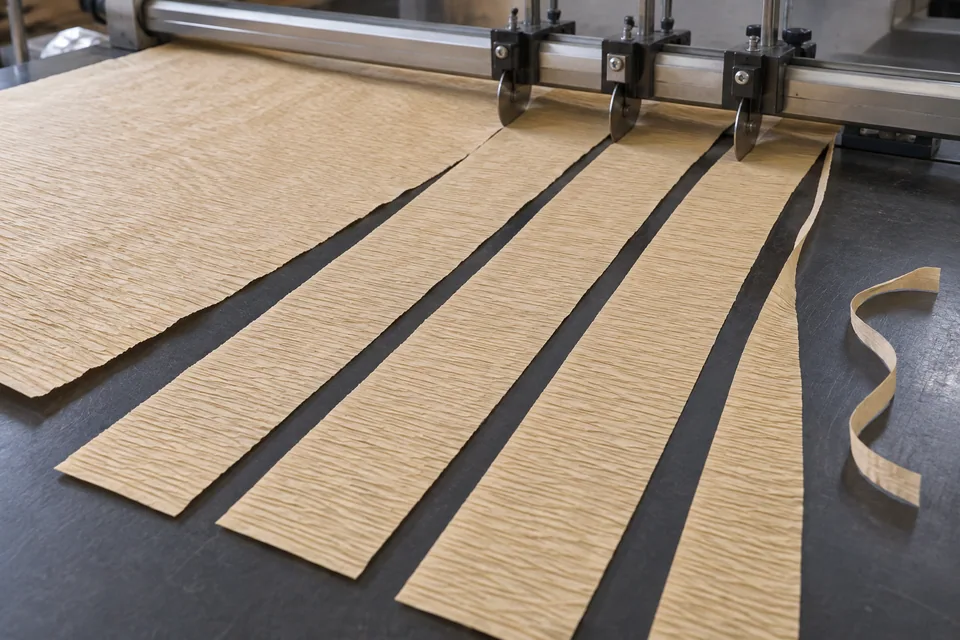
Packaging & Paper
Transformer Crepe Insulation Paper Sheet Slitting Blades
Divide flat-fed transformer crepe paper into straight strips while preserving crepe stretch and clean edges.
Read the application guide →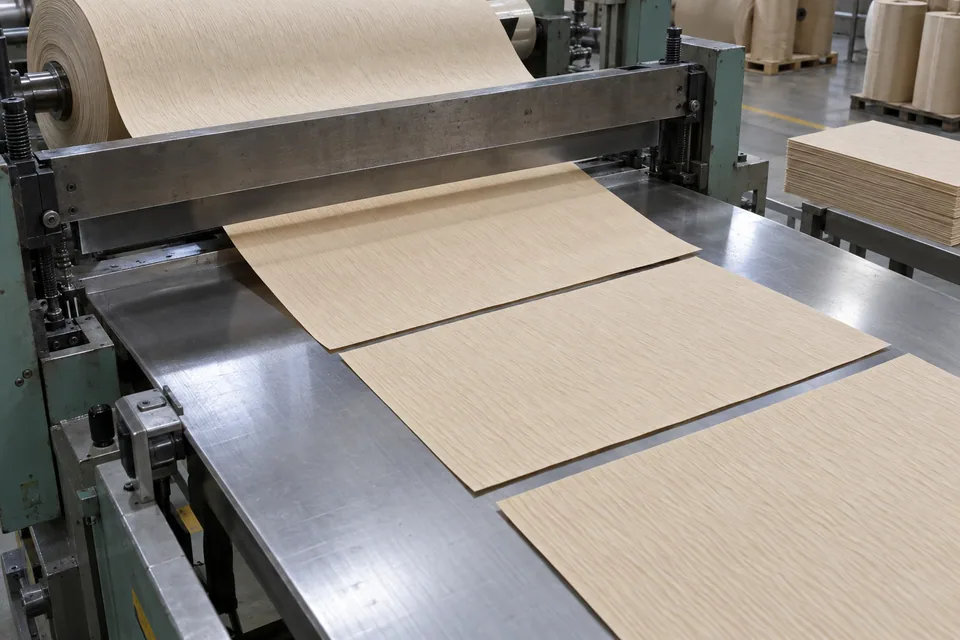
Packaging & Paper
Transformer Crepe Insulation Paper Cut-to-Size Blades
Crosscut crepe transformer paper into rectangular wrap blanks with relaxed-length and ridge inspection.
Read the application guide →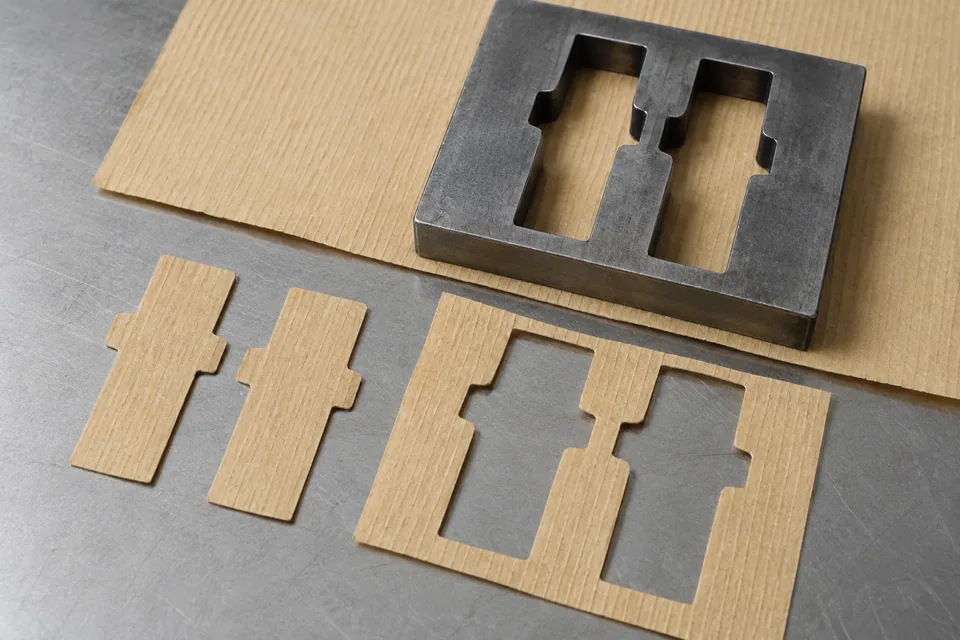
Packaging & Paper
Transformer Crepe Insulation Paper Contour-Cutting Blades
Shape crepe transformer insulation paper to a buyer drawing without tearing extensible ridges.
Read the application guide →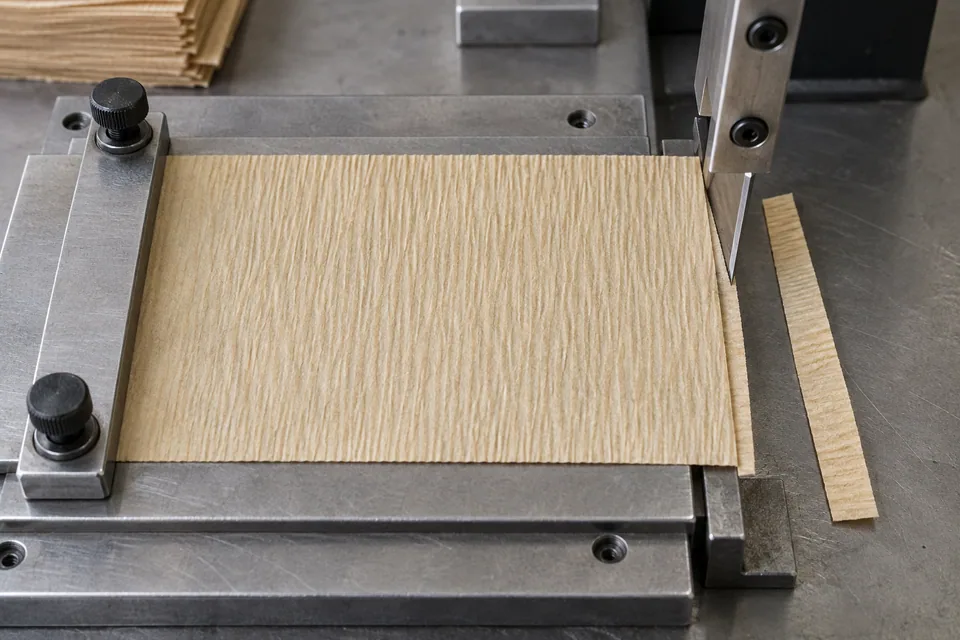
Packaging & Paper
Transformer Crepe Insulation Paper Precision-Trimming Blades
Trim only a measured surplus margin on a crepe-paper wrap blank while maintaining stretch and coverage.
Read the application guide →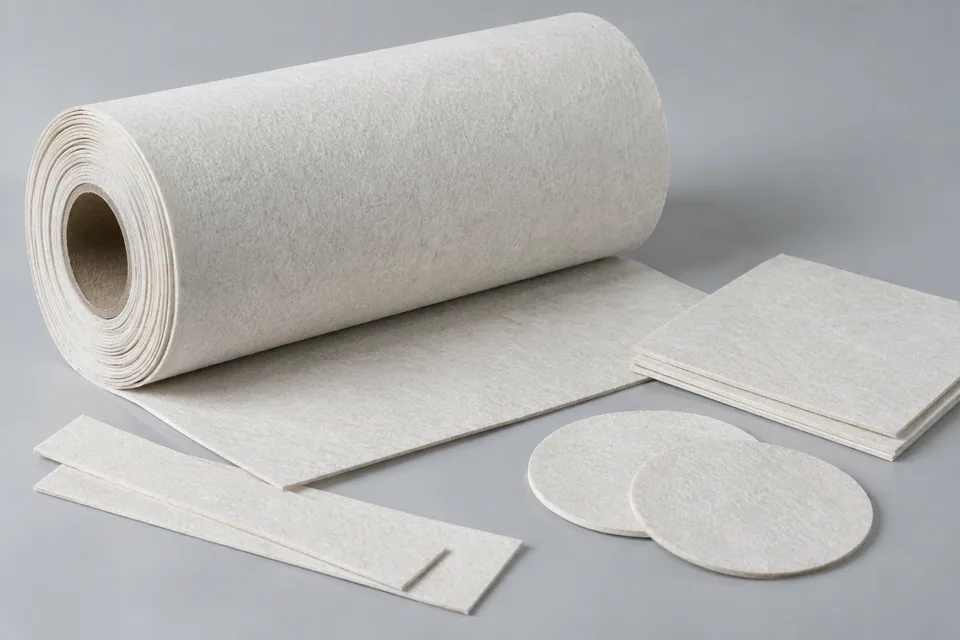
Packaging & Paper
Ceramic-Fiber Electrical Insulation Paper Sheet Slitting Blades
Cut specified ceramic-fiber electrical insulation paper sheets into strips with edge-shedding and width checks.
Read the application guide →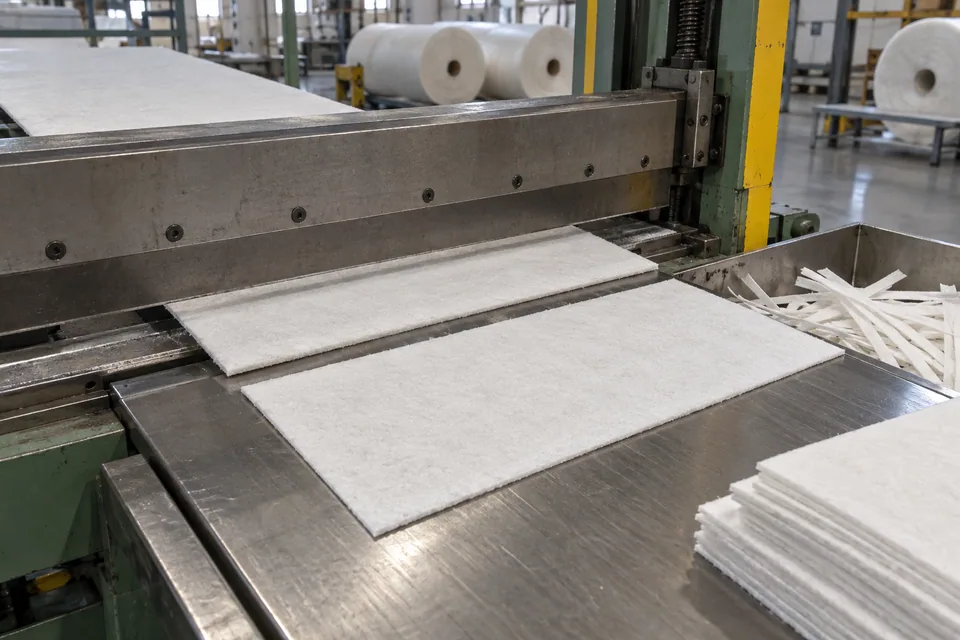
Packaging & Paper
Ceramic-Fiber Electrical Insulation Paper Cut-to-Size Blades
Crosscut ceramic-fiber electrical insulation paper into rectangular panels with edge and thickness inspection.
Read the application guide →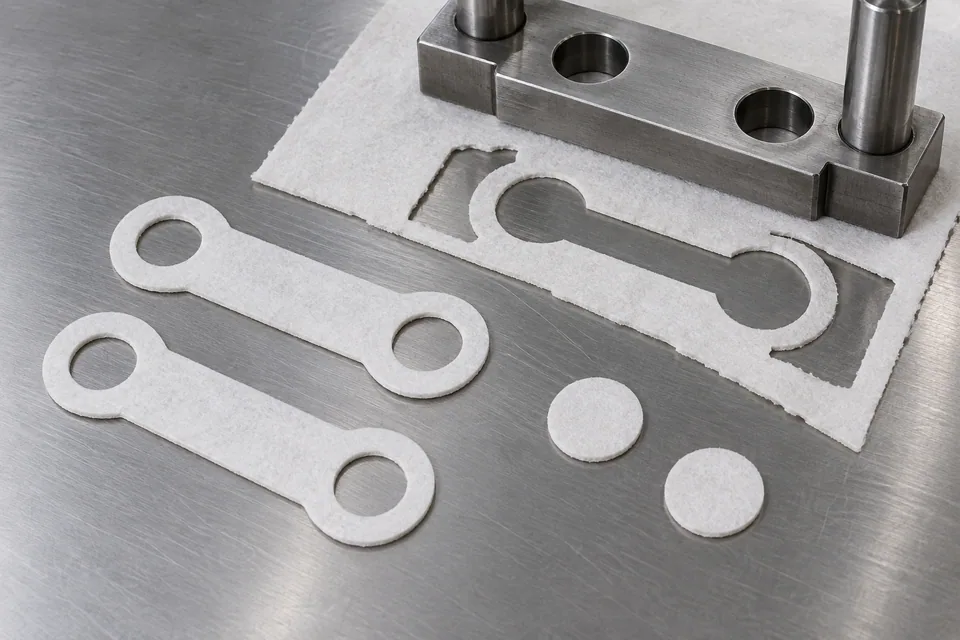
Packaging & Paper
Ceramic-Fiber Electrical Insulation Paper Contour-Cutting Blades
Cut a released contour and aperture in ceramic-fiber electrical insulation paper with fiber and feature checks.
Read the application guide →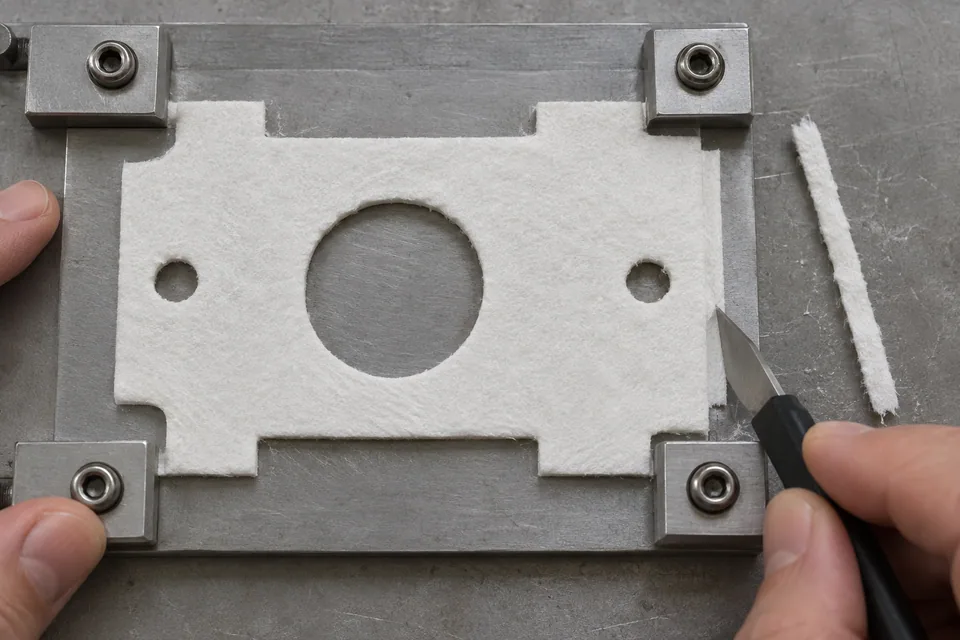
Packaging & Paper
Ceramic-Fiber Electrical Insulation Paper Precision-Trimming Blades
Trim a measured excess edge from a ceramic-fiber electrical barrier while controlling edge shedding.
Read the application guide →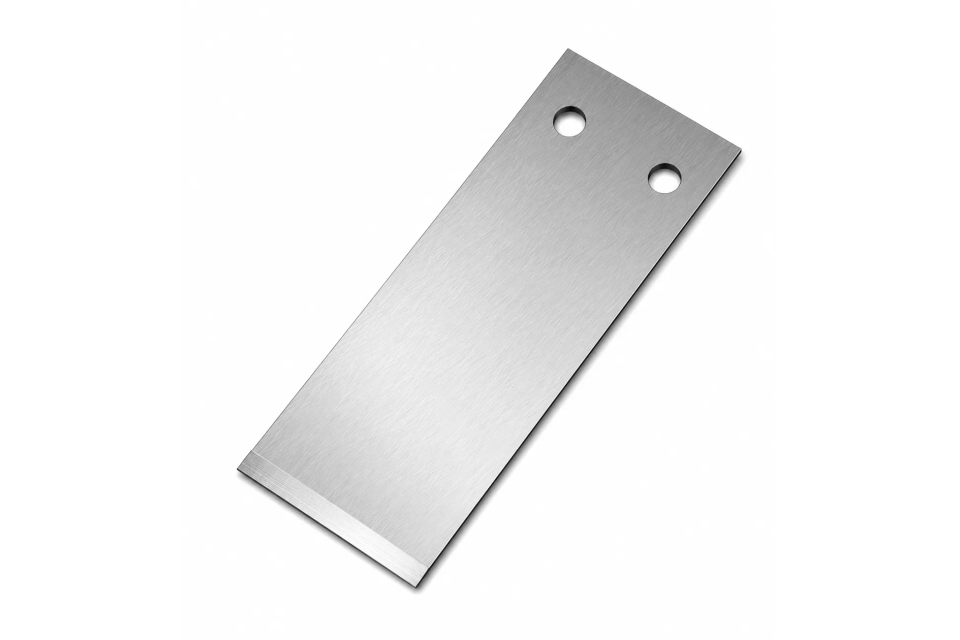
Plastics & Polymer Processing
Strand Pelletizer Knife Selection: Rotor, Bed Knife and Feed Conditions
Select strand pelletizer rotor and bed knives by confirming strand condition, feed control, cutter geometry, clearance and the pellet acceptance method.
Read the application guide →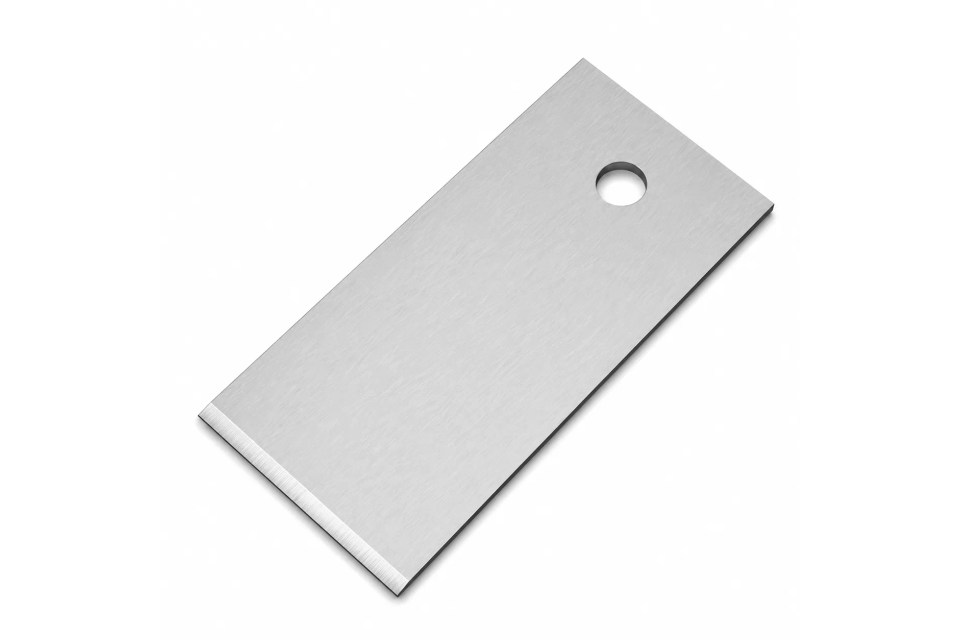
Plastics & Polymer Processing
Strand Pelletizer Long Tails: Diagnose the Cut Before Replacing Knives
Diagnose long tails in strand pelletizing by separating edge condition, clearance, strand support, feed speed and rotor alignment before specifying replacement knives.
Read the application guide →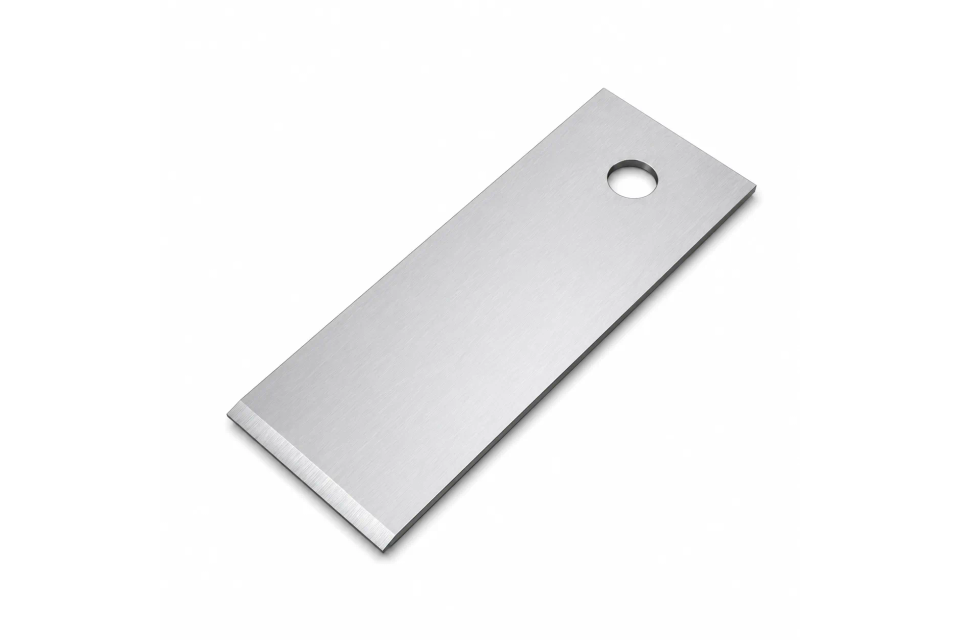
Plastics & Polymer Processing
Strand Pelletizer Rotor-to-Bed-Knife Clearance Review
Review strand pelletizer rotor-to-bed-knife clearance through machine procedure, edge marks, pellet defects, thermal stability and axial consistency.
Read the application guide →Industrial Blade Application Guides: From Material to Cutting Edge
Reliable cutting comes from a system, not a single hardness number. Industrial blade technology connects the processed material, cutting method, machine condition, blade material, heat treatment, geometry, grinding accuracy and maintenance practice.
This page gives engineers and buyers a practical framework for discussing blade performance with Meirente before a quotation, trial or repeat-order improvement.
Start With the Cutting Application
A thin film, abrasive glass fiber, soft food product, polymer strand and electronic ceramic sheet place very different demands on a blade. The first questions should cover material behavior, thickness, speed, cutting gap, temperature, contamination, target finish and the cost of downtime.
Material Selection Is a Balance
Tool steel, stainless steel, high-speed steel, powder-metallurgy grades, tungsten carbide and coated solutions offer different combinations of hardness, toughness, wear resistance, corrosion resistance and cost. Selection should reflect the dominant failure risk instead of using the same grade for every application.
Edge Geometry Controls How the Blade Enters the Material
Bevel angle, single- or double-bevel direction, edge thickness, tooth pitch, tooth height, rake and clearance influence cutting force, dust, burrs, heat and edge strength. A sharper edge can reduce force, but an edge that is too thin may chip or deform under impact.
Heat Treatment, Grinding and Surface Engineering
Heat treatment develops the material properties required by the design. Precision grinding then controls flatness, parallelism, runout, concentricity and final edge geometry. Surface finishing or coating may help with wear, friction, corrosion or material adhesion when the application and base material justify it.
Measurement and Failure Feedback
Inspection confirms whether the blade matches the agreed specification; production feedback confirms whether the specification matches the real process. Photos and records of wear, chipping, deformation, burrs, dust, motor load, heat and cutting hours help separate material problems from alignment, gap, vibration or contamination issues.
Is higher hardness always better?
No. Higher hardness can improve wear resistance but may reduce toughness. The correct balance depends on impact, material abrasiveness and machine stability.
Why does the same blade wear differently on two machines?
Alignment, holder condition, cutting gap, speed, cooling, vibration, contamination and processed material can all change blade life.
When should a coating be considered?
Consider it when wear, friction, corrosion or adhesion is a defined problem and the coating is compatible with the base material, edge and operating temperature.
What information helps diagnose chipping?
Provide the chipped location, installation direction, holder condition, cutting gap, speed, processed material, contamination risk and close-up photos.
Can edge geometry be changed without changing the machine?
Sometimes, but the blade-holder interface, clearance and cutting method must be reviewed before any geometry change is approved.