
Blade Application Guides / Application Guide / Electrical equipment manufacturing
Transformer Electrical Pressboard Sheet Slitting Blades
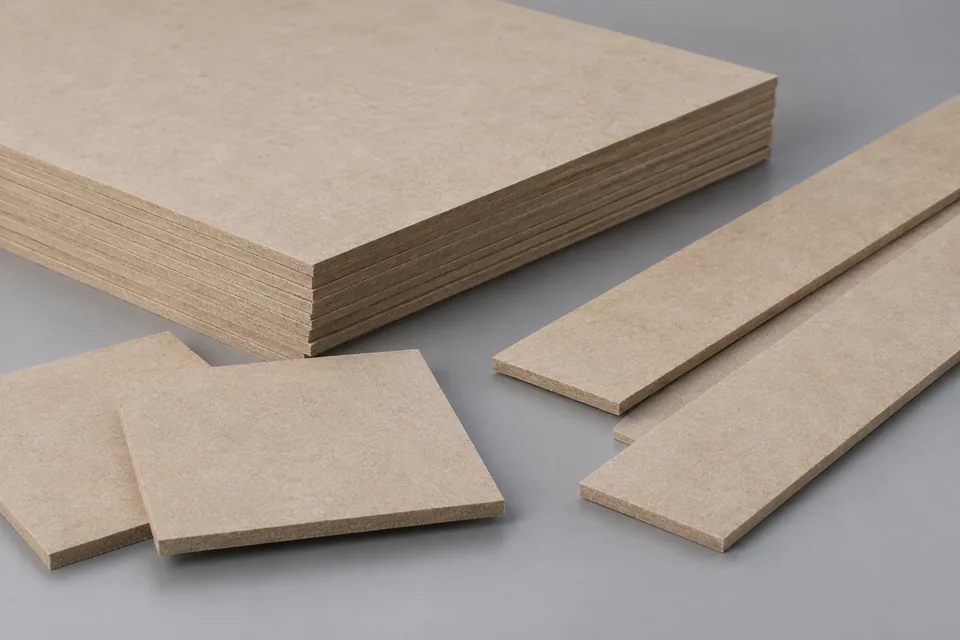
Hauler & Hermann offers pressboard as slit rolls, sheets and stamped parts, while Hanyao explicitly describes cutting a whole pressboard sheet into strips. Vantape also lists pressboard sheets and custom strip cutting. These manufacturer accounts establish a sheet-to-strip workflow, but pressboard grade and thickness vary; a thin calendered sheet cannot be assumed to cut like a dense structural board. This guide addresses long straight strips cut along a flat transformer electrical pressboard sheet for later spacers or insulating barriers. It does not prescribe rotary web slitting for a rigid board. A guided sheet shear, strip cutter or other owner-approved blade arrangement should be trialed on the exact stock. Edge fibers, dimensions and moisture-protective handling matter, while finished transformer electrical performance requires equipment-level testing.
Updated
Where This Cutting Application Appears
Select the correct board before laying out strips
Identify calendered, pre-compressed or other pressboard grade and confirm thickness, density and sheet direction. Draw the spacer or barrier-strip widths from the transformer design, including any later machining allowance. Do not mix a resin diamond-dotted paper roll with solid pressboard sheet.
Support a flat sheet through repeated long cuts
Use a board-capable guided cutting station and trial the first few strips. Keep the sheet flat against a reference, removing one strip at a time without tearing fibers at the exit. Observe whether a narrow strip bows or the remaining sheet shifts, since cumulative referencing errors can produce taper.
Measure and inspect the cellulose edge
Check width at both ends and middle, along with straightness and thickness at the cut edge. Look for crushed fiber, lifted plies, loose dust and local delamination. Compare both faces and the waste margin; a smooth outside surface can hide a frayed interior edge.
Protect cut stock before assembly
Label grade, lot and direction and package strips according to the owner’s moisture-control plan. The transformer builder should evaluate fit, oil or impregnant processing and final electrical tests on the assembled design. Straight strips alone do not establish dielectric withstand or thermal performance.
Define the Required Cut Result
- Produce straight pressboard strips to drawing.
- Limit crushed fibers, loose dust and delamination.
- Maintain consistent width along each sheet.
- Preserve material grade and moisture-control traceability.
Problems to Diagnose Before Changing the Knife
Strip width tapers
- Review sheet guide and cumulative indexing.
- Measure first and last strips from the sheet.
Cellulose edge becomes fuzzy
- Inspect blade condition and support.
- Compare board grade and moisture state.
Narrow strips bow after cutting
- Check parent-sheet stress and cut sequence.
- Measure after conditioning under buyer method.
Knife Forms That May Be Considered
| Possible knife form | When it may be considered | What must be confirmed |
|---|---|---|
| Guided sheet shear or strip cutter | For a flat pressboard sheet divided into straight strips within validated thickness range. | Confirm width, edge fiber condition and flatness. |
| Machined strip route | If a dense board or edge profile cannot meet criteria with a straight blade. | Evaluate dust handling and dimensional result on actual stock. |
Information to Send for Technical Review
You do not need to know the exact blade name. Send the available workpiece, machine, current-knife and cut-result information so the application can be reviewed against a drawing or sample.
- Transformer pressboard grade and supplier certificate
- Calendered or pre-compressed construction
- Sheet thickness, dimensions and direction
- Strip width, straightness and later machining allowance
- Allowed fiber lift, dust and delamination
- Board-capable blade and support trial
- Moisture protection and lot labeling
- Transformer assembly and electrical-test owner
Questions About This Cutting Application
Is pressboard the same as flexible insulation paper?
No. Specify the actual cellulose board grade and sheet thickness.
Does sheet slitting require rotary web knives?
No. A guided sheet cutter may suit a flat board; choose after a material trial.
Why protect strips from moisture?
Pressboard processing and storage are controlled by the transformer maker’s moisture plan.
Does a clean strip prove dielectric withstand?
No. The full transformer design needs its own tests.
What starts an RFQ?
Send the board grade, sheet sample, strip layout and edge criteria.
Public references and scope
These public sources provide material, cutting-method or safety context for this guide. Supplier pages describe their own materials or equipment; they do not establish a MEIRENTE blade specification or performance claim. Confirm the actual grade, machine setup and required cut with a drawing or sample.
Related product and service information
- Perovskite Solar Barrier Film Cross Cutting Blades - perovskite solar barrier film · cross cutting
- NMN Motor-Insulation Laminate Sheet Slitting Blades - NMN motor-insulation laminate · sheet slitting
- Polyimide-Mica Insulation Laminate Sheet Slitting Blades - polyimide-mica insulation laminate · sheet slitting
Request a Custom Cutting-Knife Review
Send the workpiece details, machine or holder information, current knife photos or sample, required quantity and examples of the present cut problem. Final dimensions, material, edge geometry and tolerances are confirmed from the approved requirements.