
Blade Application Guides
Browse focused application knowledge
Cutting guides by industry, process, equipment and defect
Use these curated topic pages to compare related materials and cutting conditions without relying on broad site search.
Industries
Cutting processes
Equipment types
Cutting defects
Technical Articles
Industrial cutting problem knowledge base
1857 Blade Application Guides
Search by material, industry, cutting process or a problem described in your own words. You do not need to know the exact blade name.
Solar & Electronics
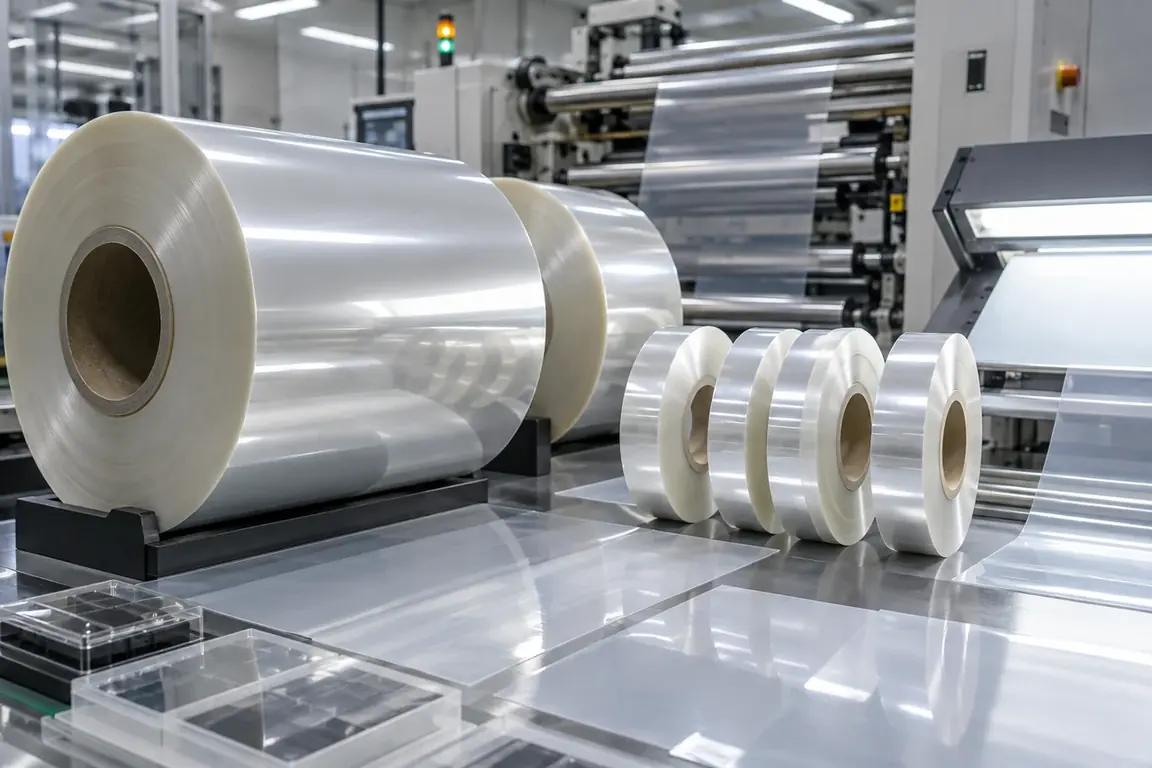
MLCC PET Release Film Slitting Blades
Application guide for MLCC PET release film slitting blades, covering release-surface protection, edge particles, web tracking and rewinding.
Read the application guide →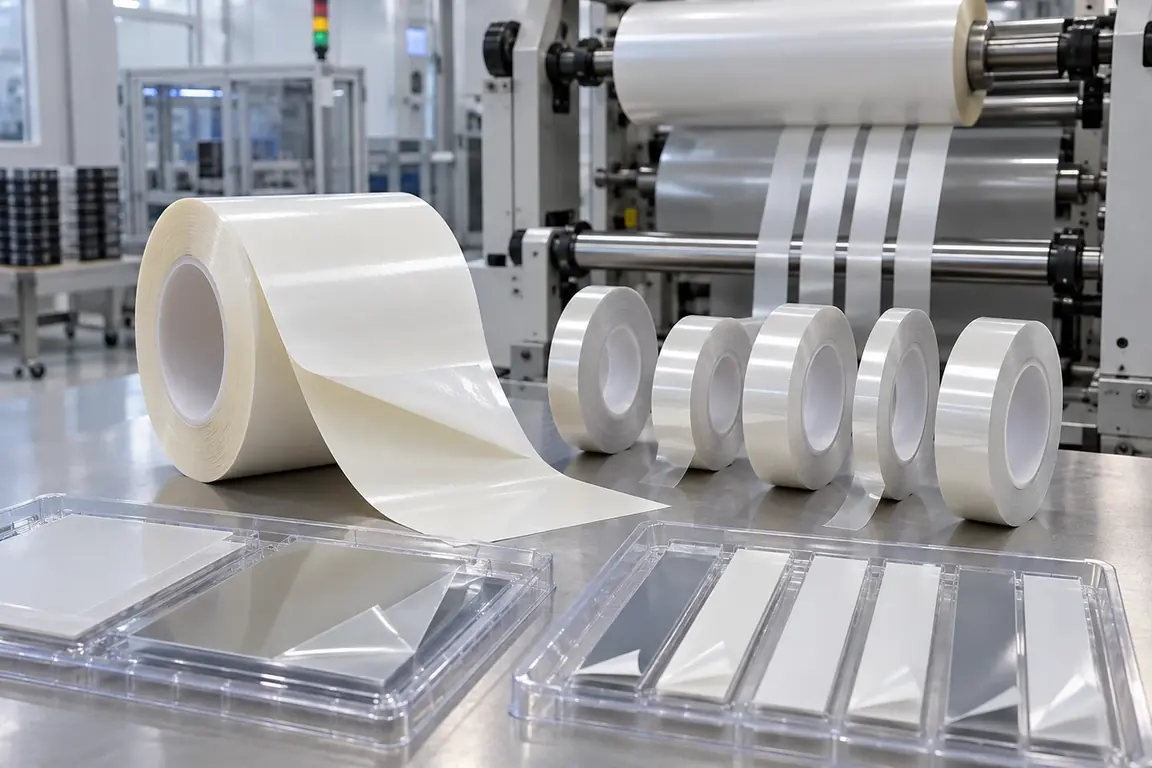
Solar & Electronics
Semiconductor Die-Attach Film Slitting Blades
Application guide for die-attach film slitting blades, covering adhesive edges, liner integrity, particle control and clean finished-roll handling.
Read the application guide →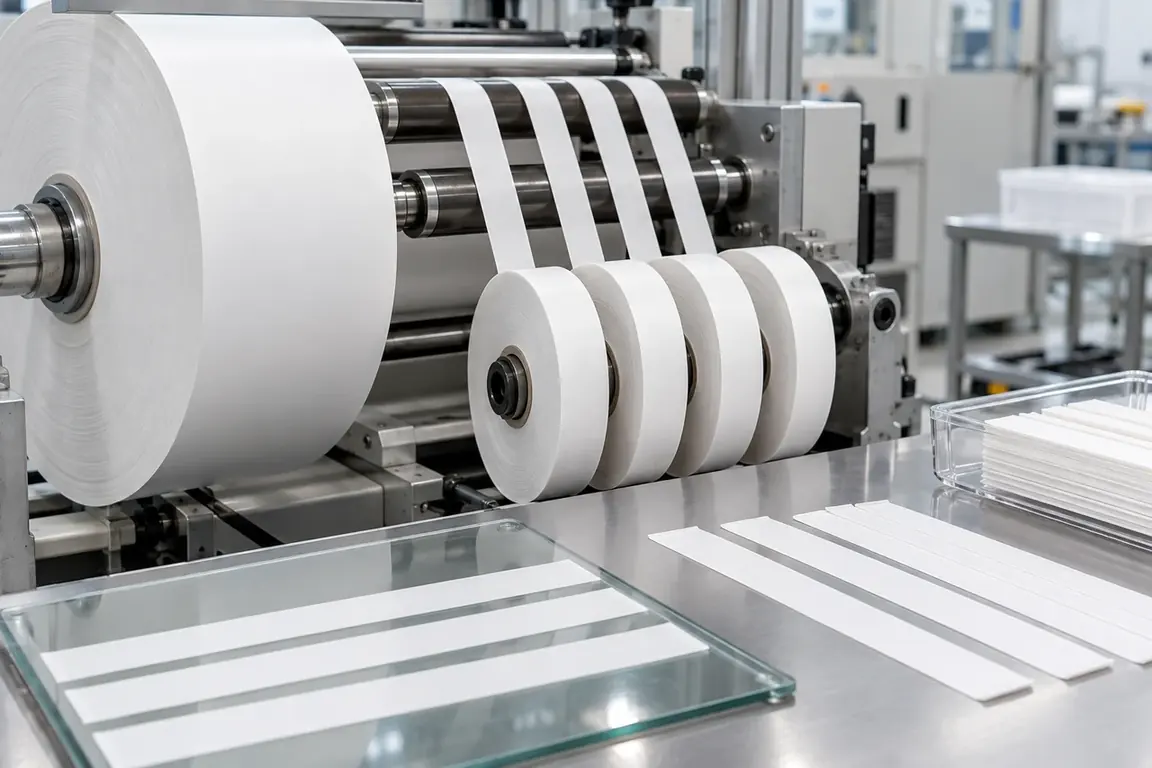
Films & Foils
Lateral Flow Nitrocellulose Membrane Slitting Blades
Application guide for lateral-flow nitrocellulose membrane slitting blades, covering fragile edges, backing support, strip width and particle control.
Read the application guide →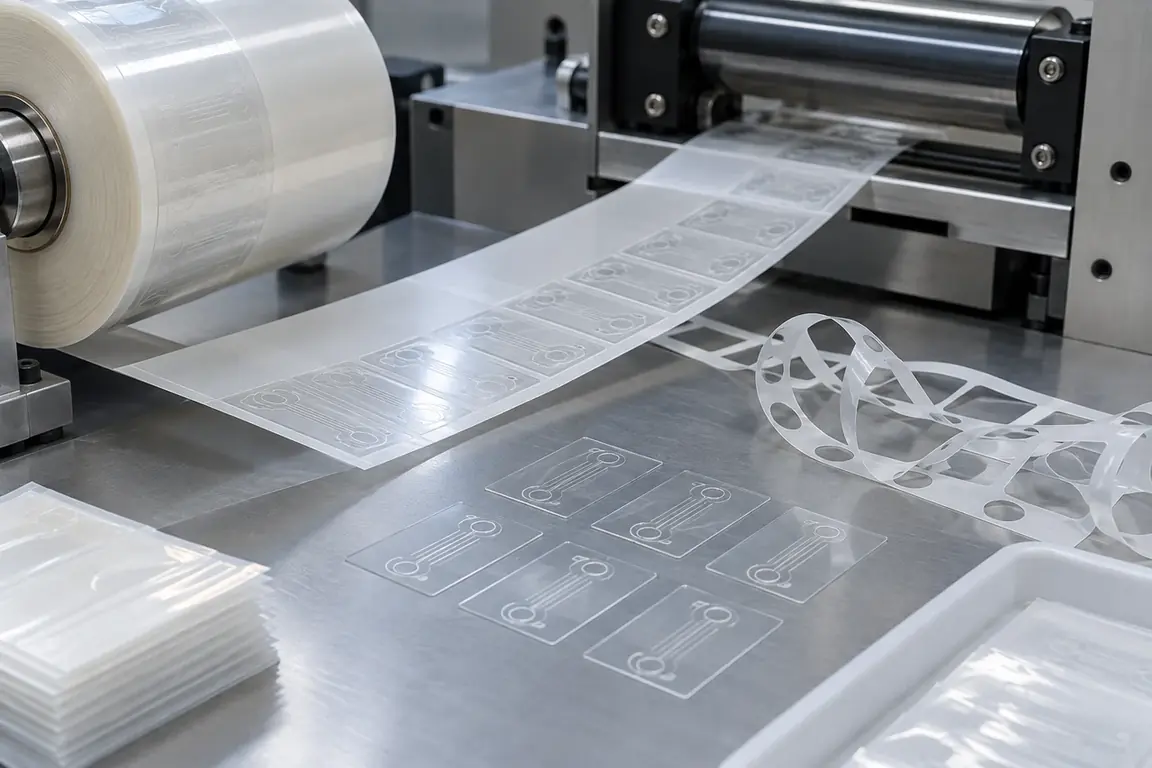
Films & Foils
Microfluidic Diagnostic Adhesive Tape Die-Cutting Blades
Application guide for microfluidic diagnostic tape die-cutting blades, covering channel geometry, liner integrity, registration and adhesive waste removal.
Read the application guide →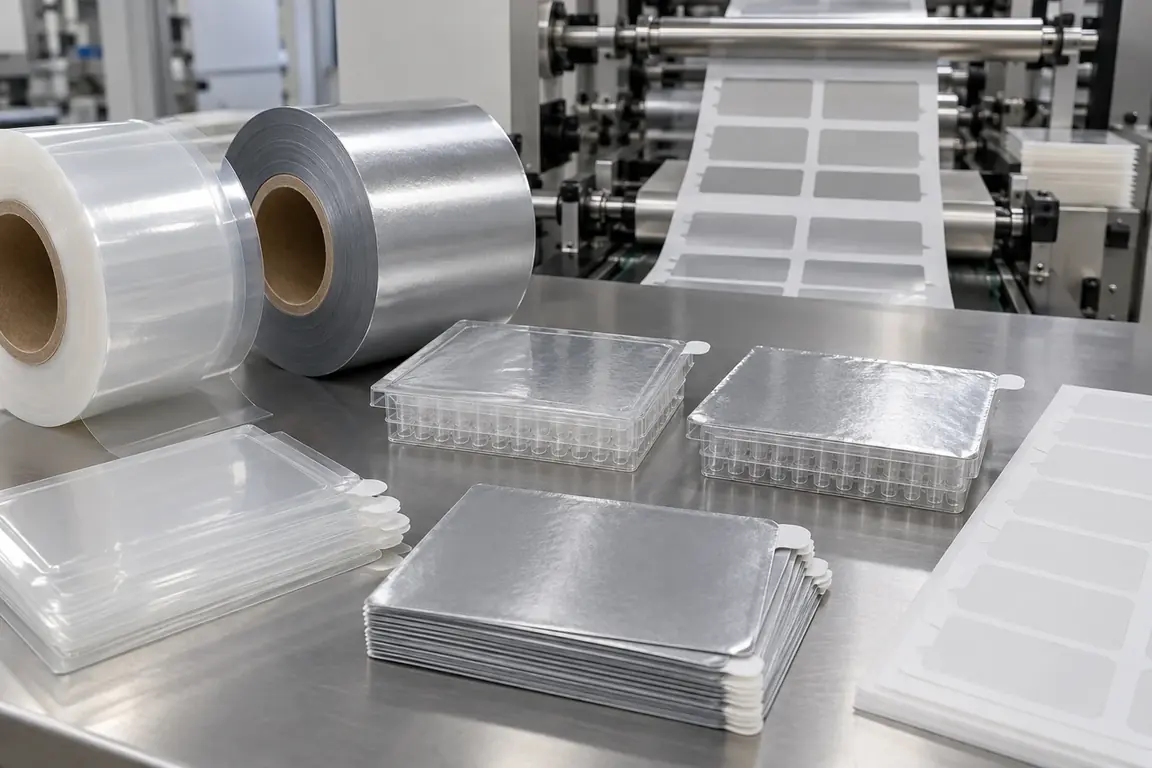
Films & Foils
PCR Microplate Sealing Film Die-Cutting Blades
Application guide for PCR microplate sealing film cutting blades, covering plate profiles, peel tabs, release liners, clean edges and sheet handling.
Read the application guide →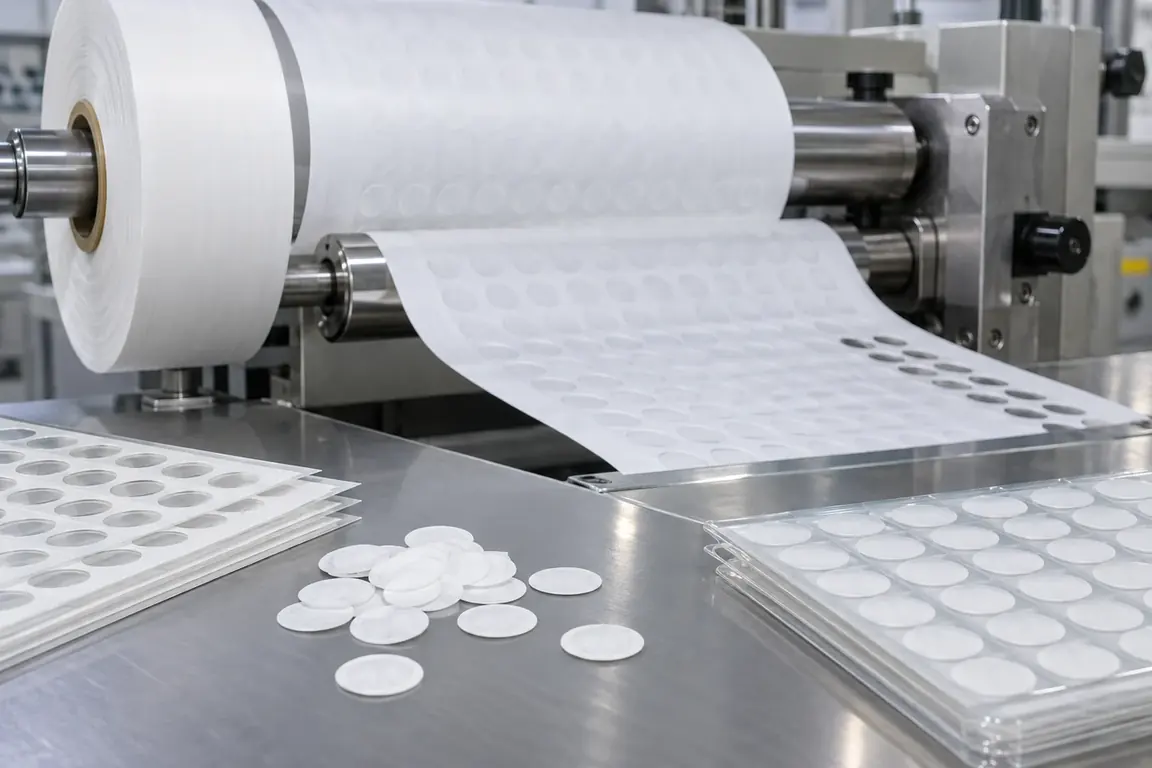
Films & Foils
IV Filter PTFE Vent Membrane Die-Cutting Blades
Application guide for IV-filter PTFE vent membrane cutting blades, covering disc geometry, support layers, edge fragments, handling and clean collection.
Read the application guide →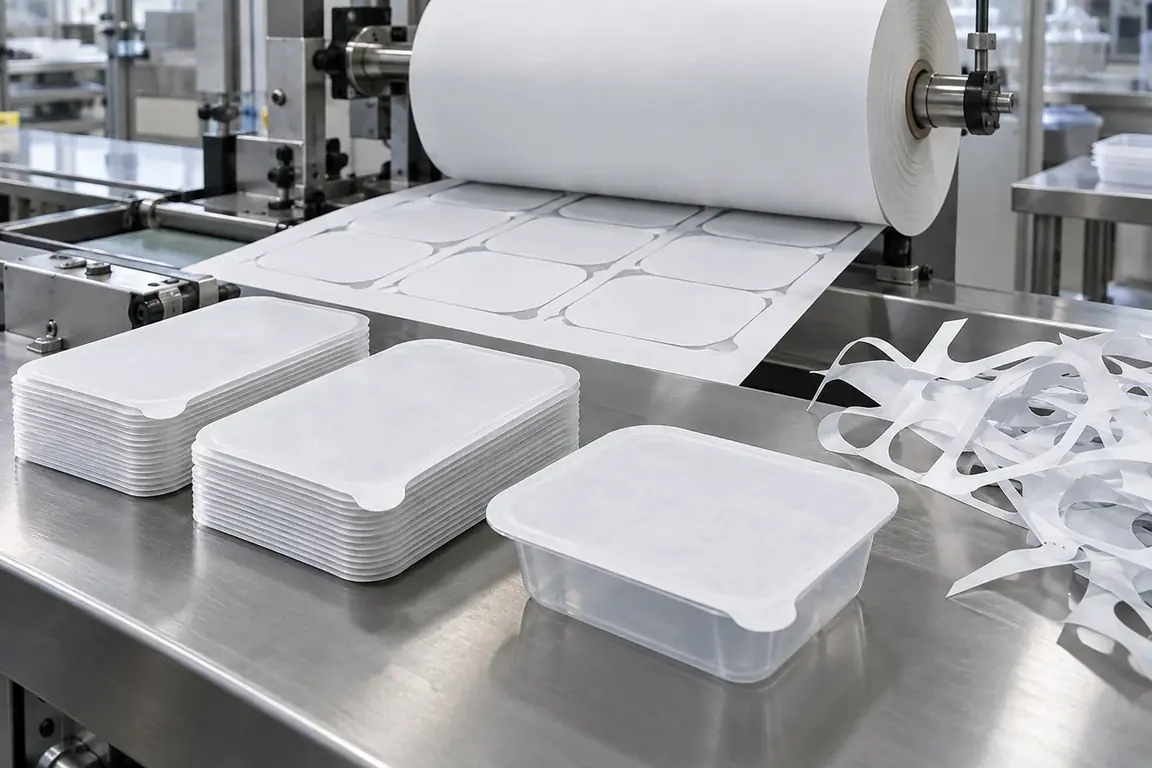
Packaging & Paper
Tyvek Sterile Barrier Tray Lid Die-Cutting Blades
Application guide for Tyvek sterile tray-lid cutting blades, covering fibrous edges, printed registration, peel-tab geometry and clean waste removal.
Read the application guide →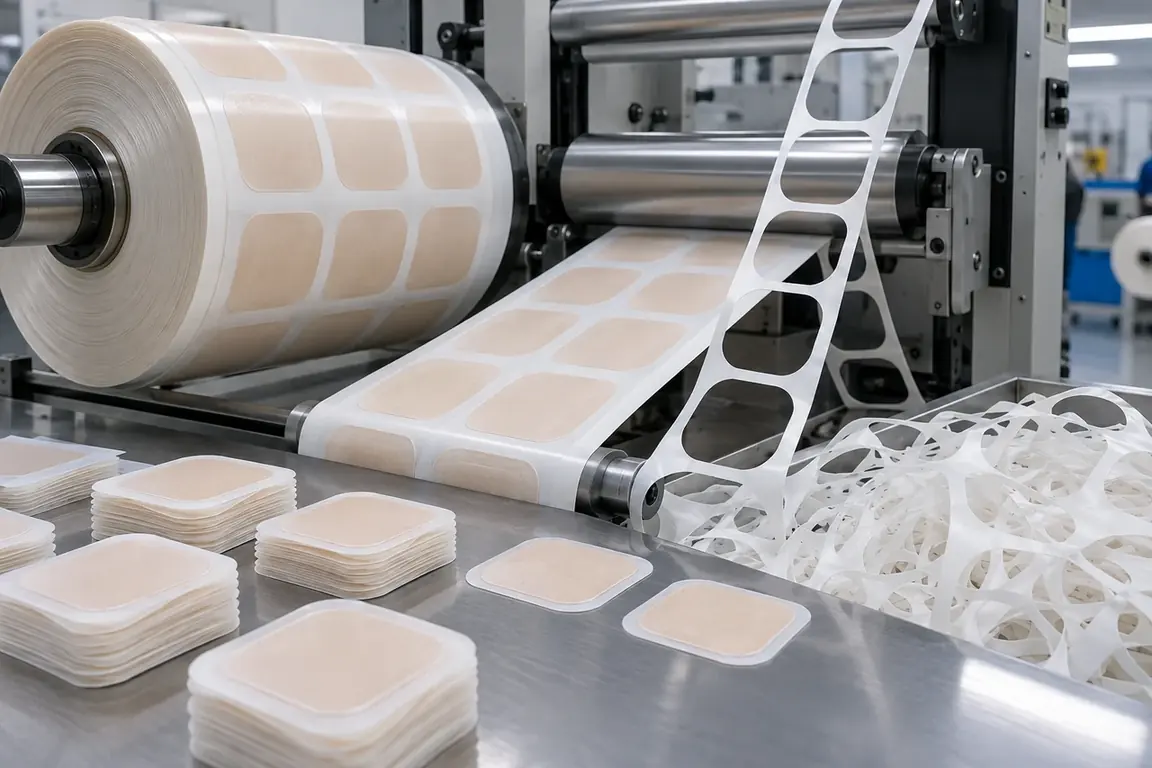
Films & Foils
Transdermal Patch Laminate Rotary Die-Cutting Blades
Application guide for transdermal patch die-cutting blades, covering multilayer profiles, release-liner control, adhesive edges and matrix removal.
Read the application guide →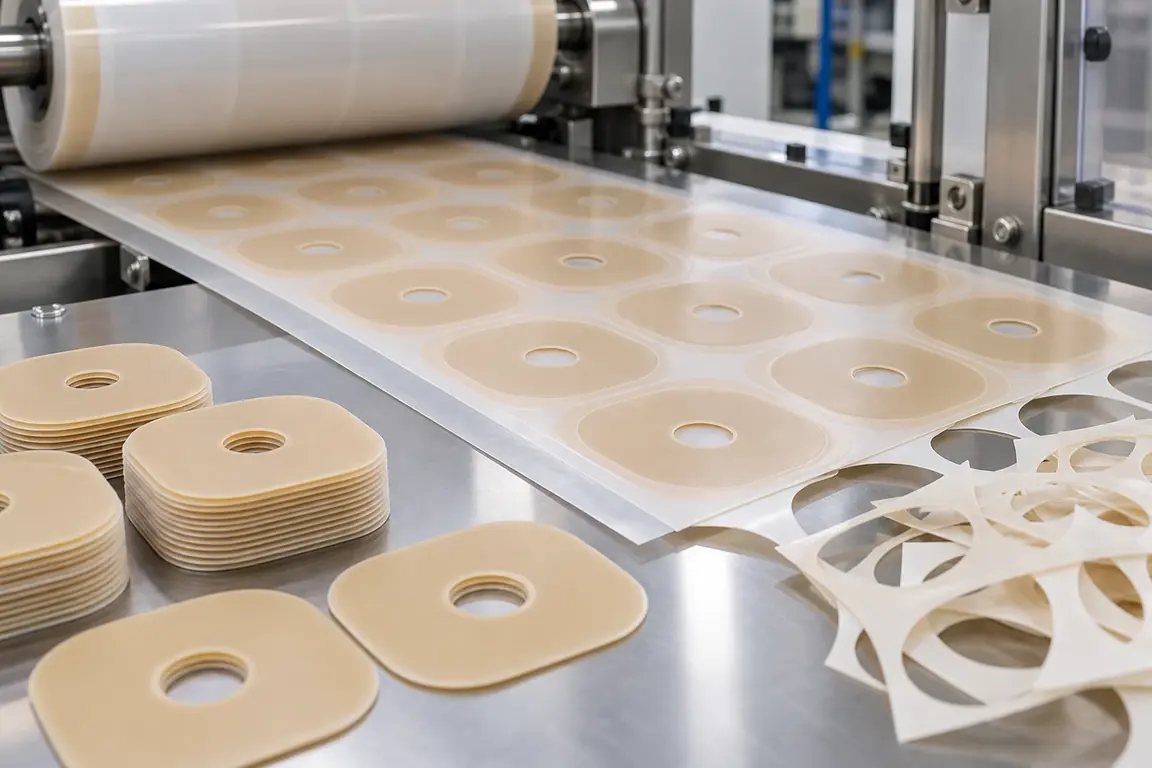
Films & Foils
Ostomy Hydrocolloid Skin Barrier Die-Cutting Blades
Application guide for ostomy hydrocolloid barrier cutting blades, covering apertures, multilayer support, adhesive edges, deformation and waste release.
Read the application guide →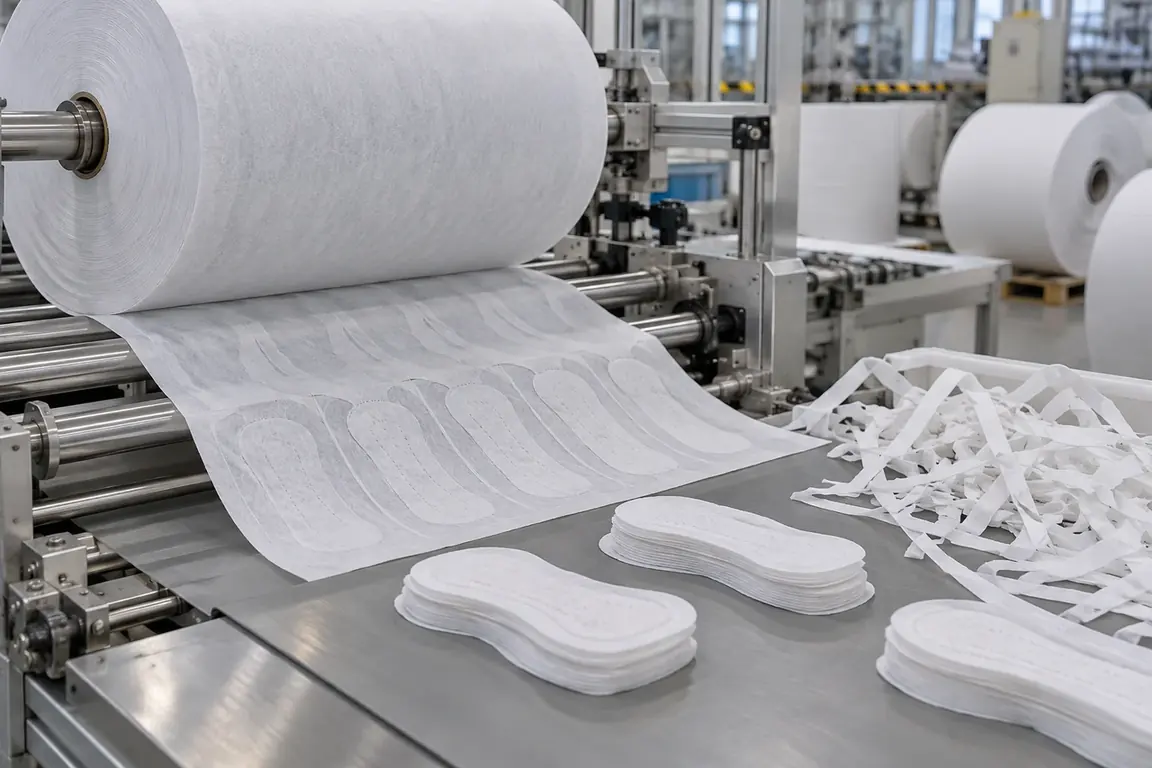
Films & Foils
Hygiene Acquisition Distribution Layer Cutting Blades
Application guide for hygiene ADL nonwoven cutting blades, covering profile integrity, fiber control, layer registration and high-cycle waste removal.
Read the application guide →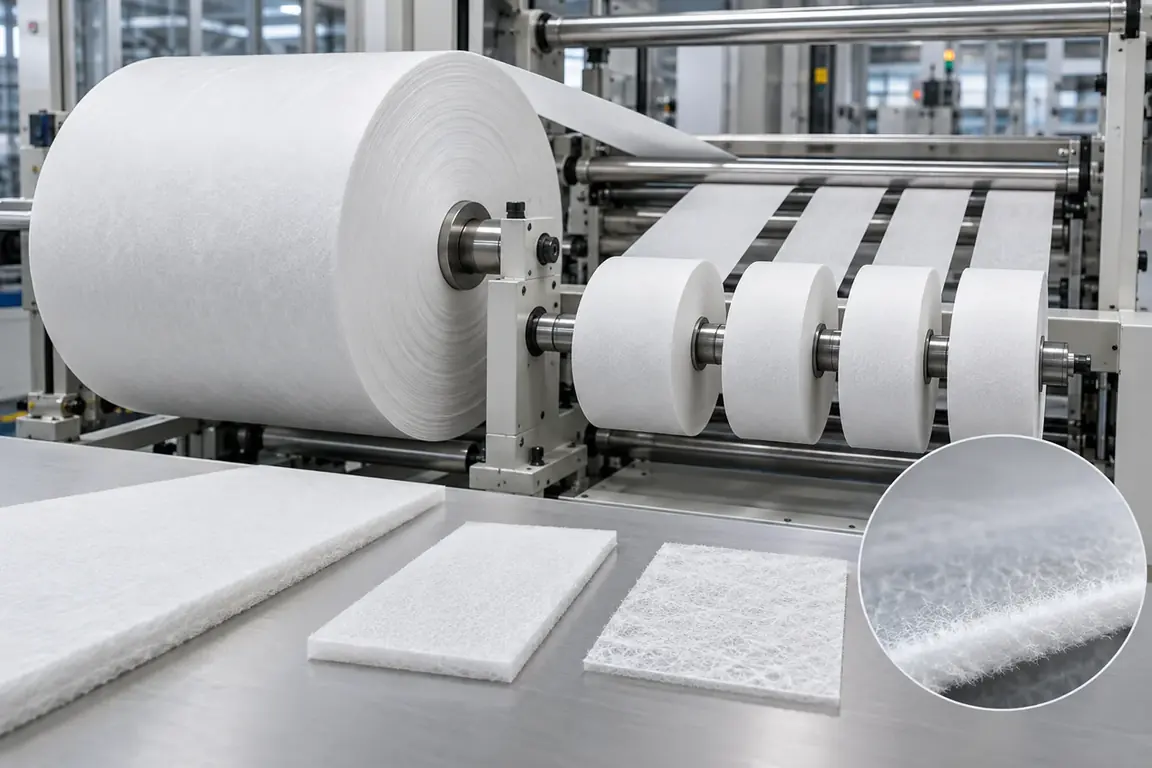
Filtration & Membranes
Nanofiber-Coated Filter Media Slitting Blades
Application guide for nanofiber-coated filter media slitting blades, covering coating protection, edge debris, web tracking and finished-roll quality.
Read the application guide →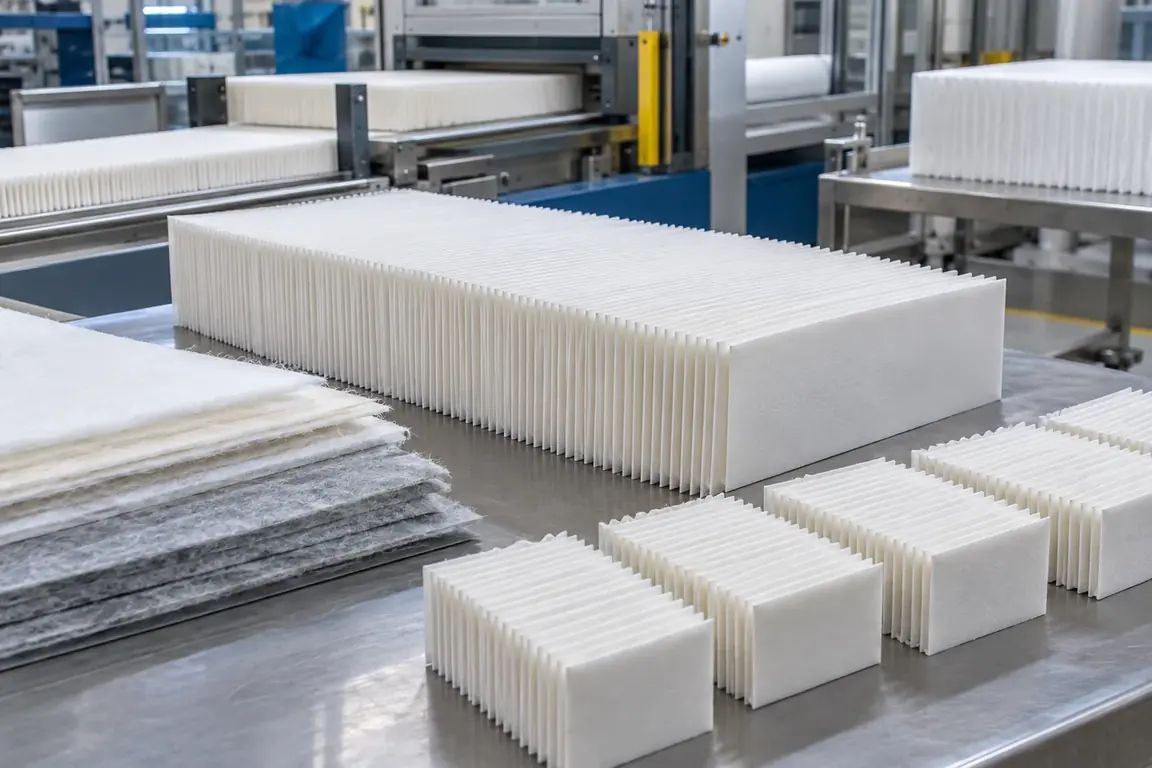
Filtration & Membranes
Pleated Filter Media Pack Cross-Cutting Blades
Application guide for pleated filter-pack cross-cutting blades, covering pleat support, layer separation, square ends, debris and pack-length control.
Read the application guide →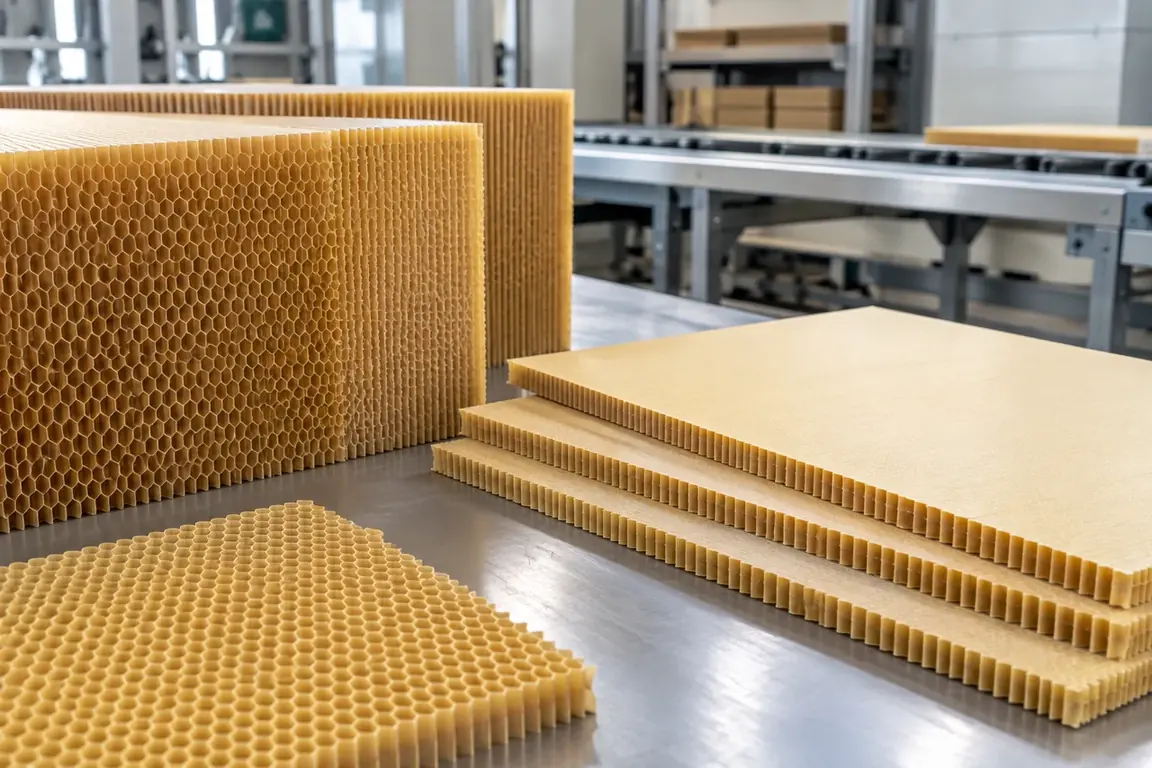
Packaging & Paper
Aerospace Nomex Honeycomb Core Slicing Blades
Application guide for aerospace Nomex honeycomb core slicing blades, covering cell support, slice integrity, thickness control and clean handling.
Read the application guide →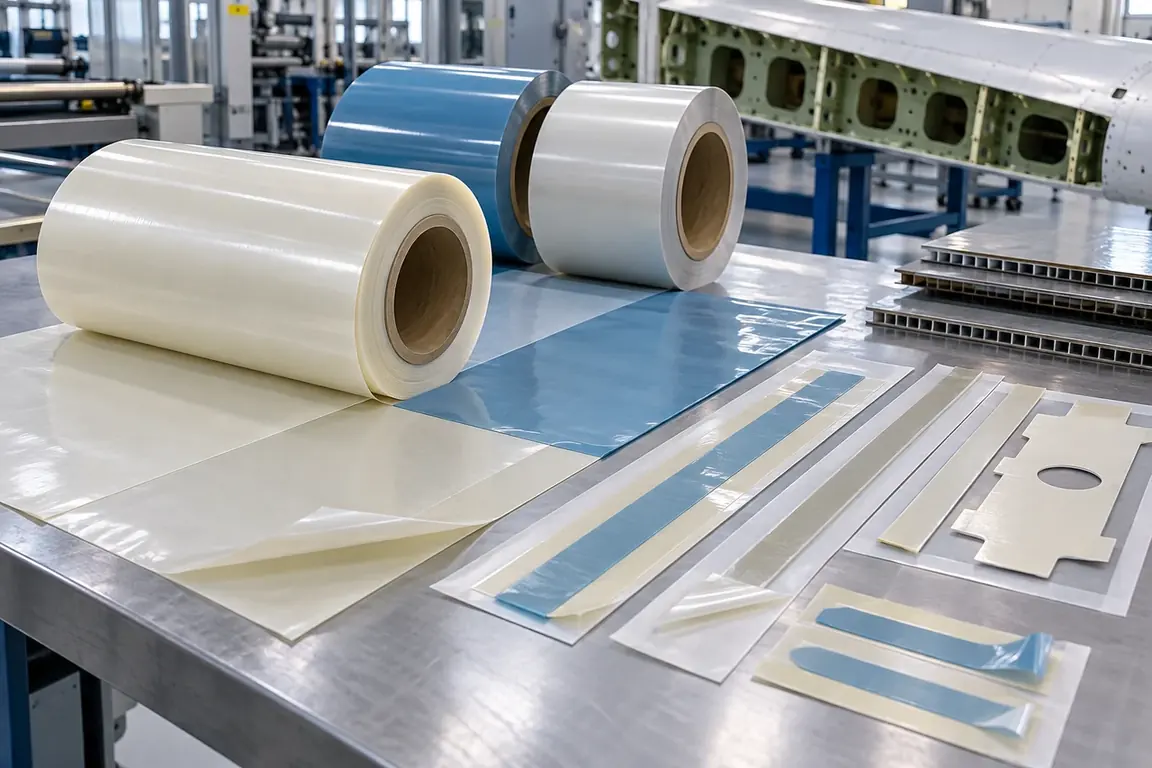
Films & Foils
Aerospace Structural Adhesive Film Slitting Blades
Application guide for aerospace structural adhesive film slitting blades, covering tack, liner integrity, residue control and converted roll quality.
Read the application guide →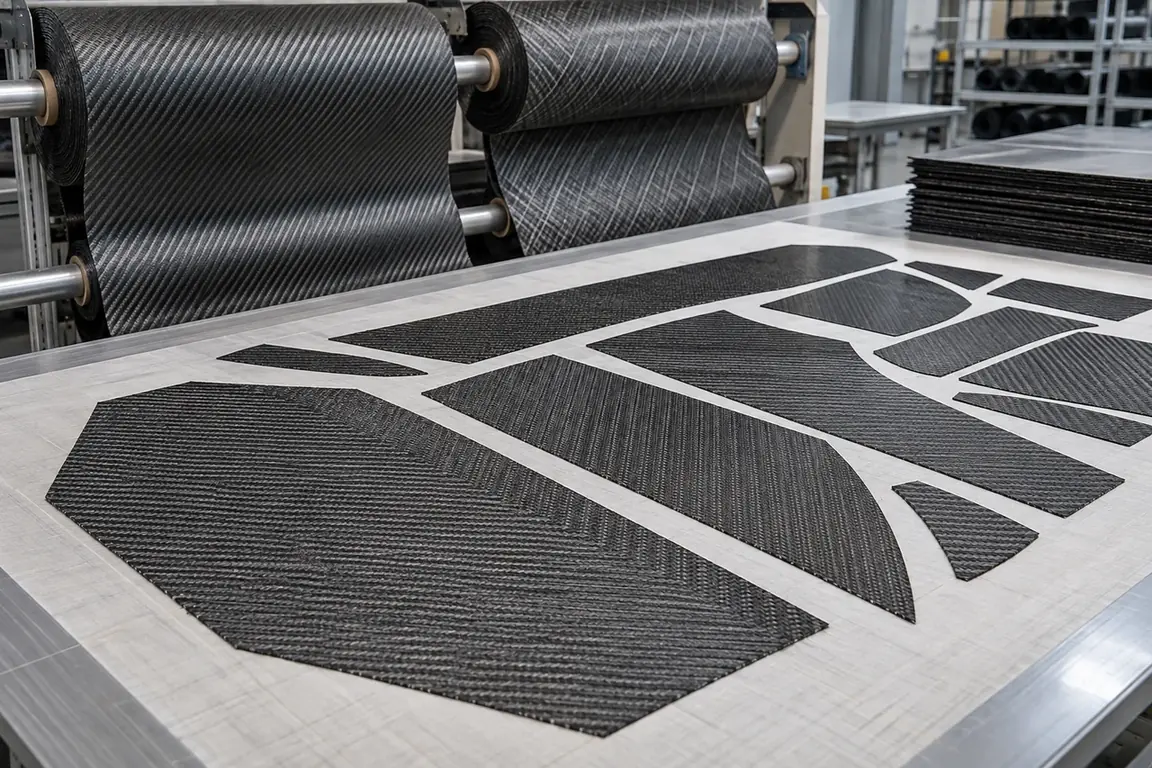
Plastics & Polymer Processing
Carbon Fiber Non-Crimp Fabric Ply Cutting Blades
Application guide for carbon non-crimp fabric ply cutting blades, covering tow stability, stitched layers, profile accuracy and clean preform handling.
Read the application guide →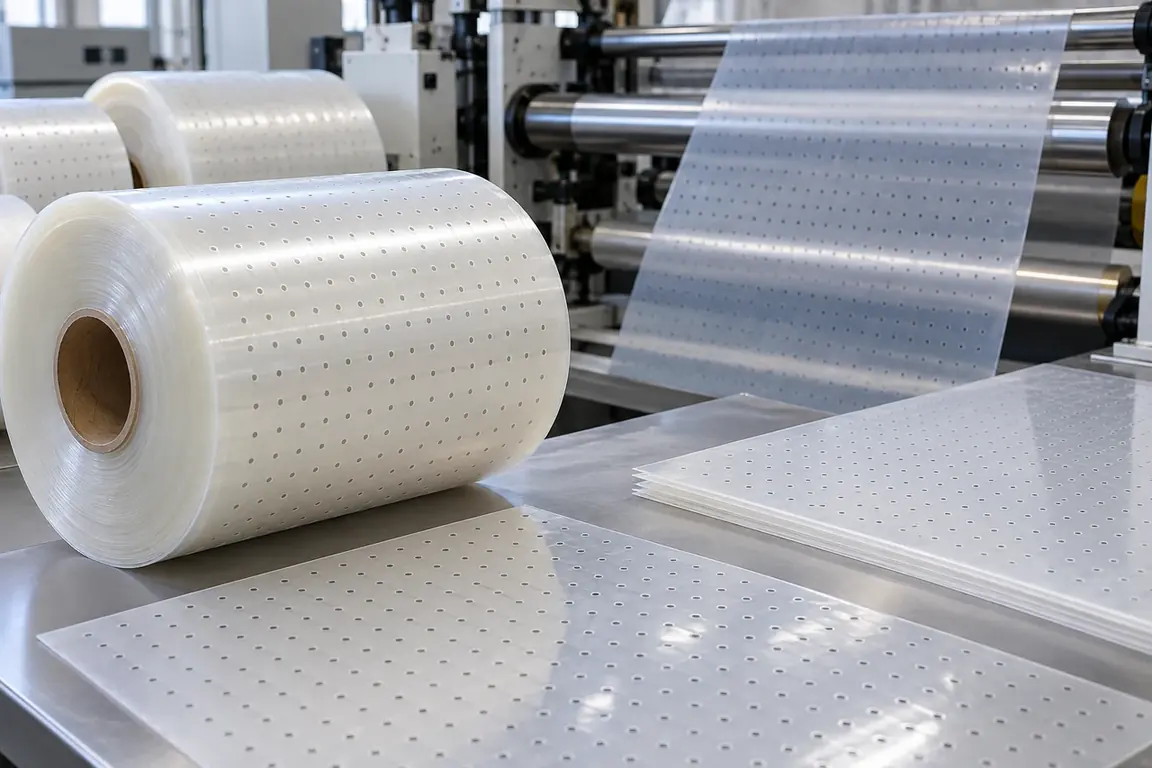
Films & Foils
Perforated Composite Release Film Slitting Blades
Application guide for perforated composite release film slitting blades, covering hole integrity, film tension, static control and clean sheet preparation.
Read the application guide →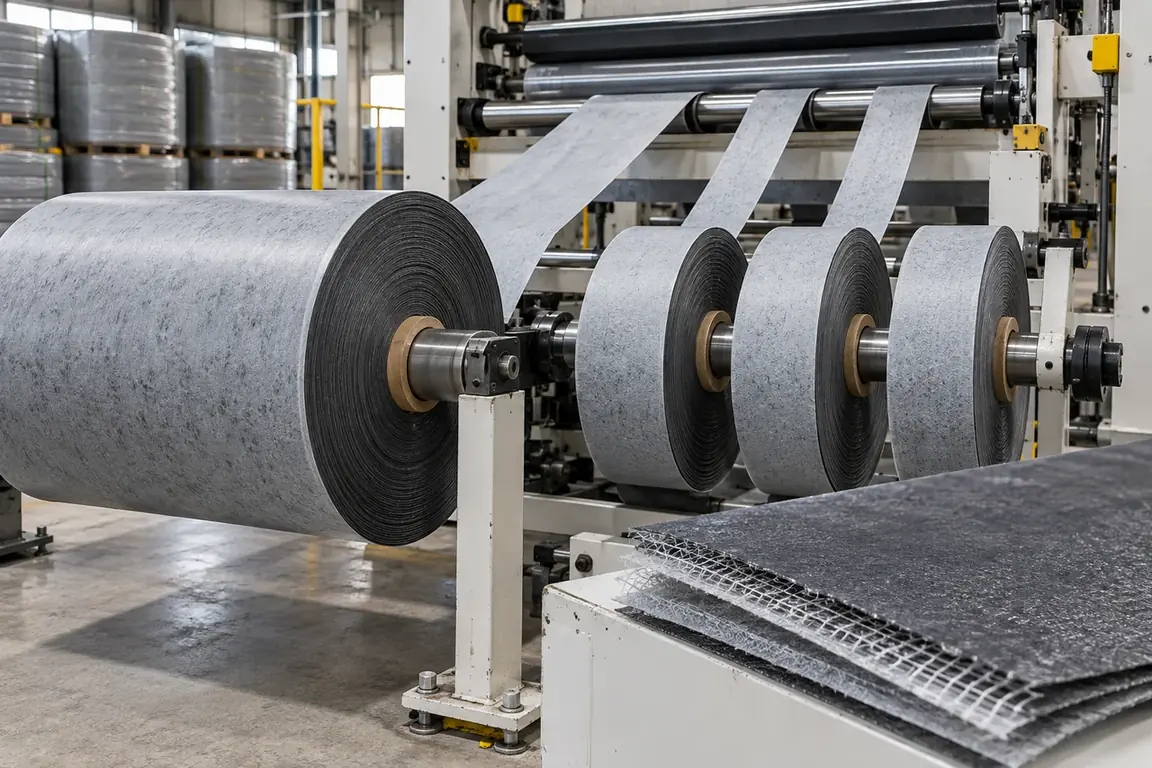
Packaging & Paper
Synthetic Roofing Underlayment Slitting Blades
Application guide for synthetic roofing underlayment slitting blades, covering multilayer edges, reinforced webs, trim removal and finished-roll quality.
Read the application guide →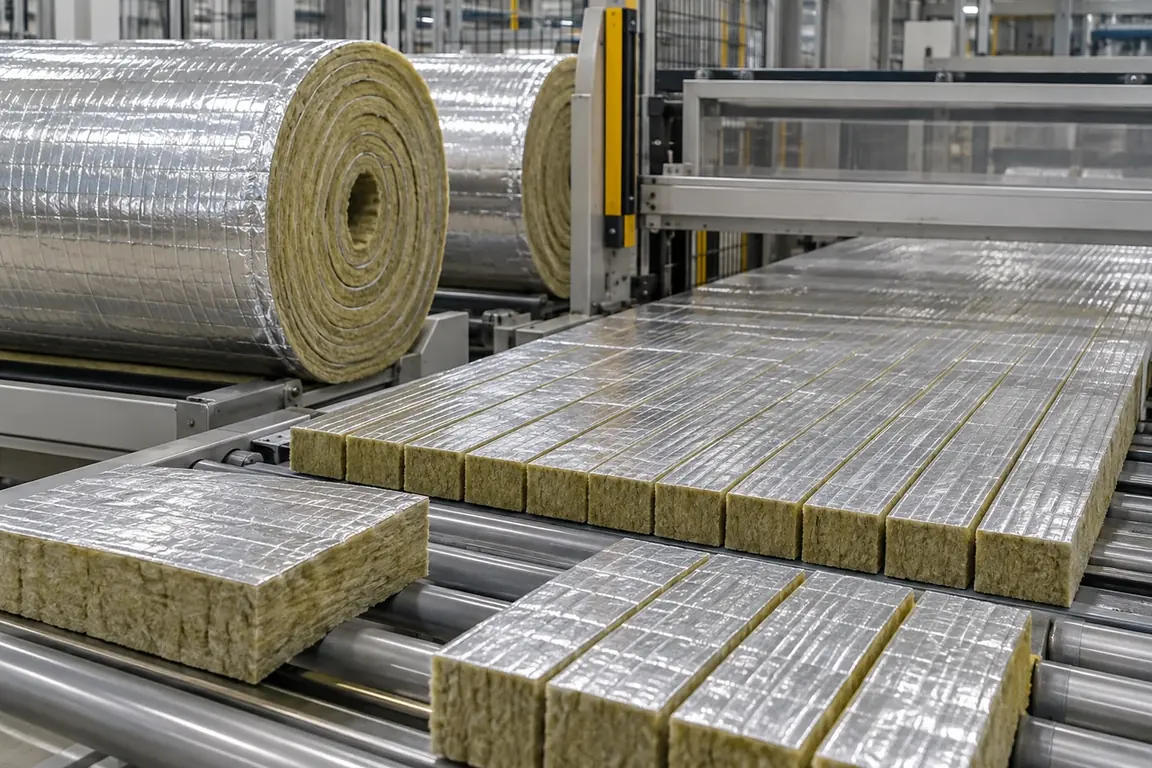
Films & Foils
Stone Wool Lamella Mat Cross-Cutting Blades
Application guide for stone wool lamella mat cutting blades, covering aligned strips, facing integrity, fiber control and accurate insulation sizing.
Read the application guide →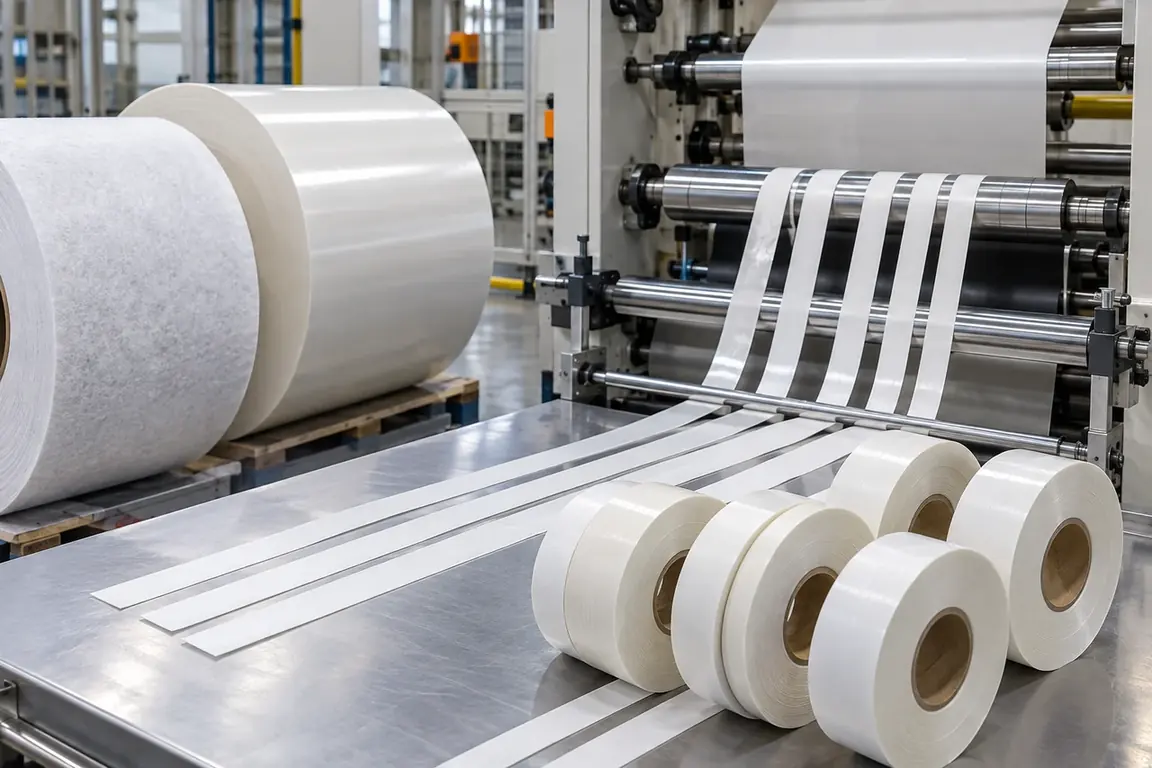
Films & Foils
DMD Electrical Insulation Laminate Slitting Blades
Application guide for DMD electrical insulation laminate slitting blades, covering nonwoven fiber edges, PET film burrs, delamination and narrow-strip winding.
Read the application guide →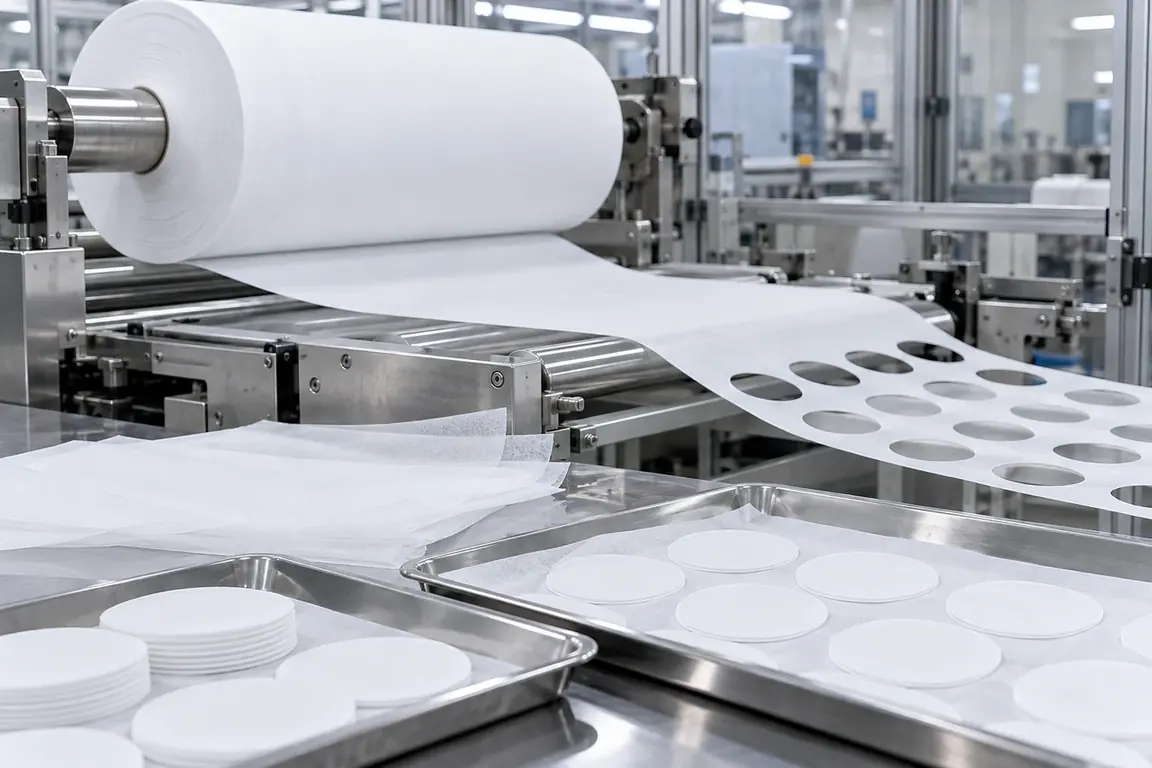
Films & Foils
ePTFE Microfiltration Membrane Slitting Blades
Application guide for ePTFE microfiltration membrane slitting blades, covering porous-edge integrity, support layers, particles and clean conversion.
Read the application guide →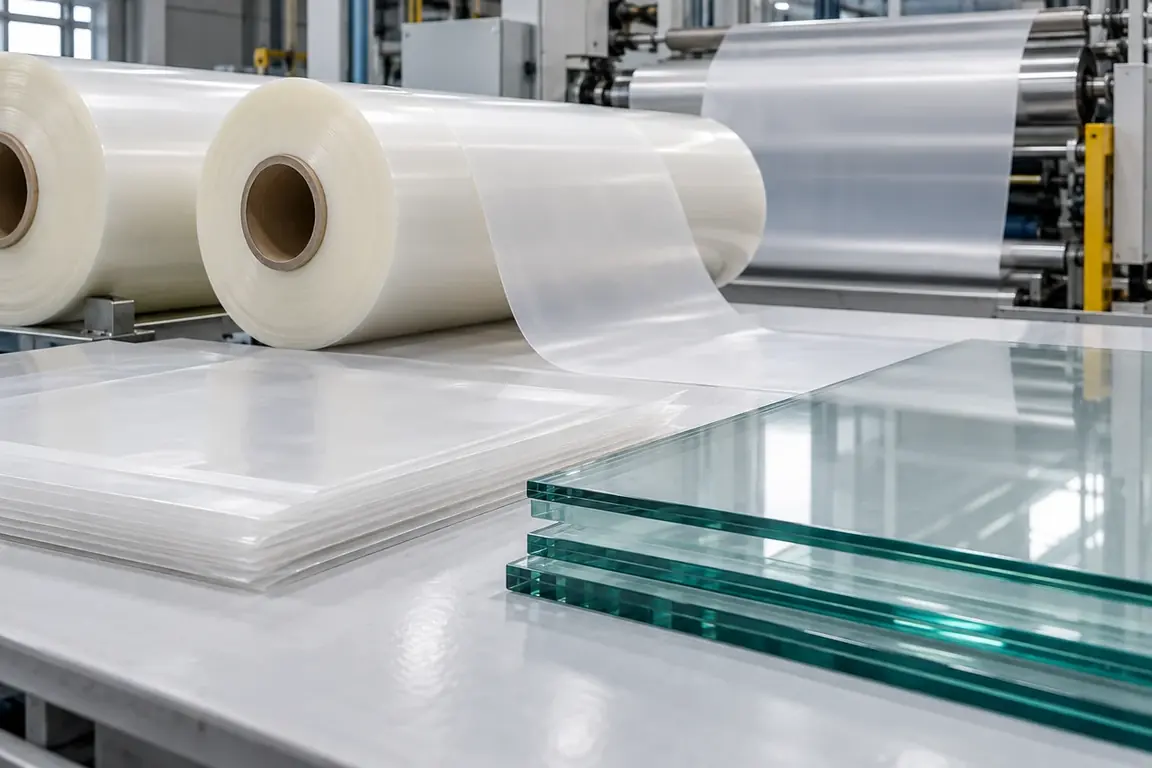
Films & Foils
PVB Laminated Glass Interlayer Film Slitting Blades
Application guide for PVB laminated-glass interlayer slitting blades, covering soft-film edges, blocking, width control and clean sheet handling.
Read the application guide →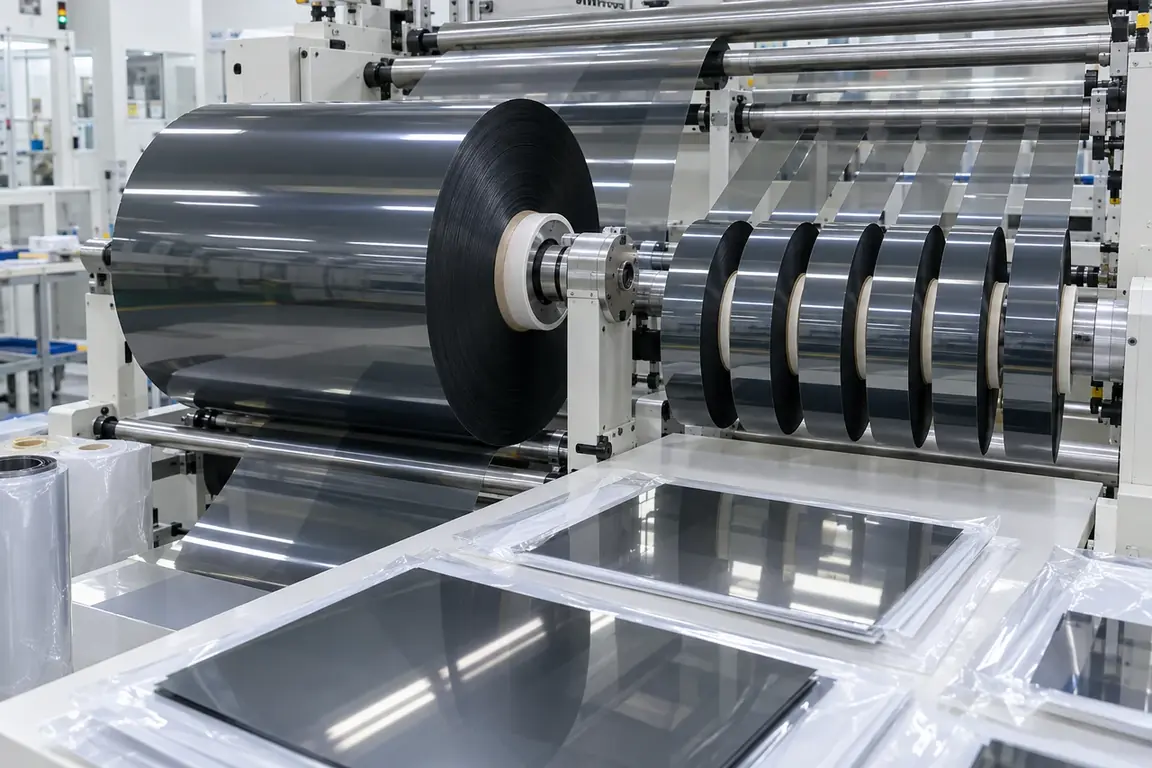
Films & Foils
Optical Polarizer Film Precision Slitting Blades
Application guide for optical polarizer film slitting blades, covering multilayer edge integrity, particles, surface protection and precision roll conversion.
Read the application guide →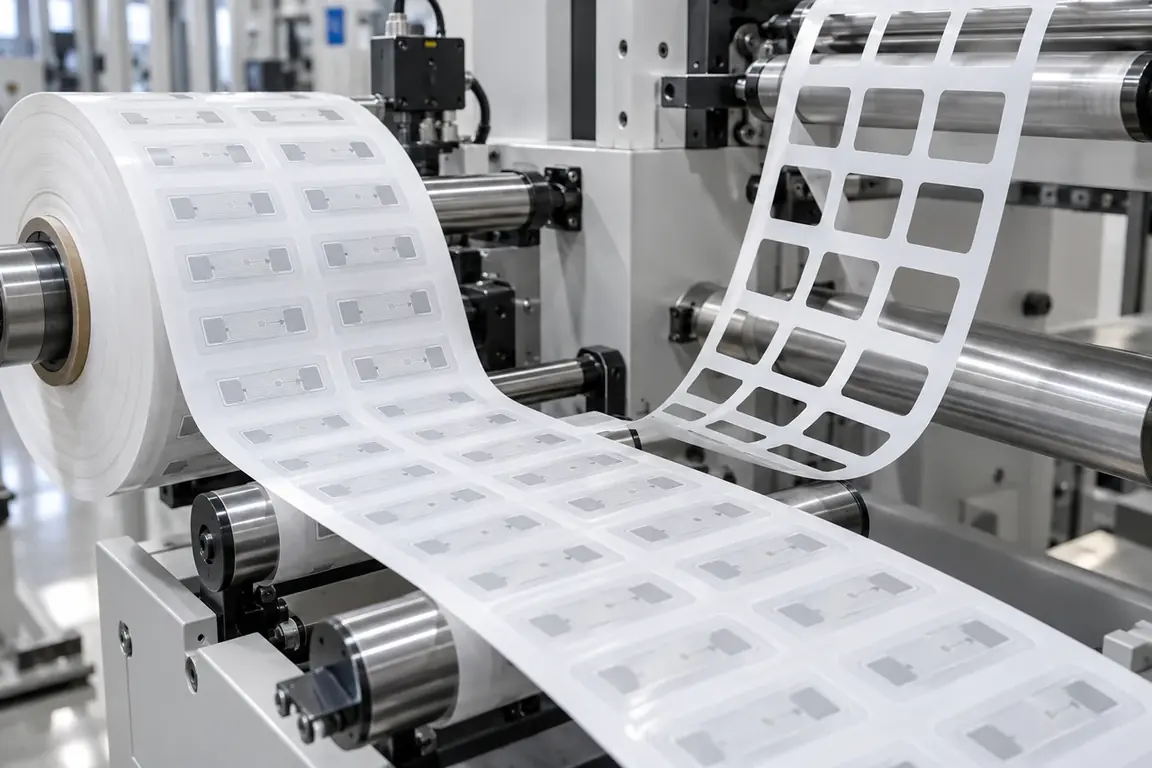
Packaging & Paper
RFID Smart Label Inlay Registered Die-Cutting Blades
Application guide for RFID smart label inlay die-cutting blades, covering registration, antenna clearance, liner control and matrix removal.
Read the application guide →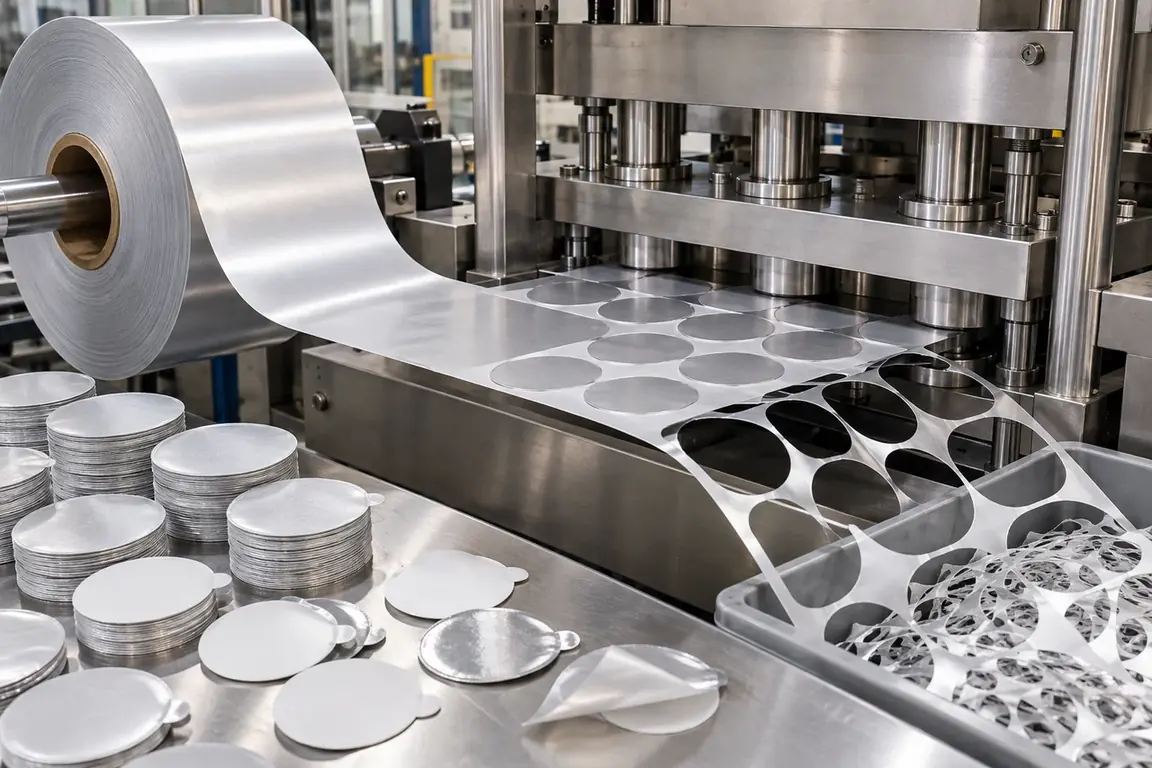
Packaging & Paper
Induction Seal Liner Wad Punching Blades
Application guide for induction seal liner wad punching blades, covering foil edges, laminate integrity, tab geometry, ejection and nesting.
Read the application guide →Industrial Blade Application Guides: From Material to Cutting Edge
Reliable cutting comes from a system, not a single hardness number. Industrial blade technology connects the processed material, cutting method, machine condition, blade material, heat treatment, geometry, grinding accuracy and maintenance practice.
This page gives engineers and buyers a practical framework for discussing blade performance with Meirente before a quotation, trial or repeat-order improvement.
Start With the Cutting Application
A thin film, abrasive glass fiber, soft food product, polymer strand and electronic ceramic sheet place very different demands on a blade. The first questions should cover material behavior, thickness, speed, cutting gap, temperature, contamination, target finish and the cost of downtime.
Material Selection Is a Balance
Tool steel, stainless steel, high-speed steel, powder-metallurgy grades, tungsten carbide and coated solutions offer different combinations of hardness, toughness, wear resistance, corrosion resistance and cost. Selection should reflect the dominant failure risk instead of using the same grade for every application.
Edge Geometry Controls How the Blade Enters the Material
Bevel angle, single- or double-bevel direction, edge thickness, tooth pitch, tooth height, rake and clearance influence cutting force, dust, burrs, heat and edge strength. A sharper edge can reduce force, but an edge that is too thin may chip or deform under impact.
Heat Treatment, Grinding and Surface Engineering
Heat treatment develops the material properties required by the design. Precision grinding then controls flatness, parallelism, runout, concentricity and final edge geometry. Surface finishing or coating may help with wear, friction, corrosion or material adhesion when the application and base material justify it.
Measurement and Failure Feedback
Inspection confirms whether the blade matches the agreed specification; production feedback confirms whether the specification matches the real process. Photos and records of wear, chipping, deformation, burrs, dust, motor load, heat and cutting hours help separate material problems from alignment, gap, vibration or contamination issues.
Is higher hardness always better?
No. Higher hardness can improve wear resistance but may reduce toughness. The correct balance depends on impact, material abrasiveness and machine stability.
Why does the same blade wear differently on two machines?
Alignment, holder condition, cutting gap, speed, cooling, vibration, contamination and processed material can all change blade life.
When should a coating be considered?
Consider it when wear, friction, corrosion or adhesion is a defined problem and the coating is compatible with the base material, edge and operating temperature.
What information helps diagnose chipping?
Provide the chipped location, installation direction, holder condition, cutting gap, speed, processed material, contamination risk and close-up photos.
Can edge geometry be changed without changing the machine?
Sometimes, but the blade-holder interface, clearance and cutting method must be reviewed before any geometry change is approved.