
Blade Application Guides / Application Guide / fiber production
Chopping Synthetic Staple Fiber Tow
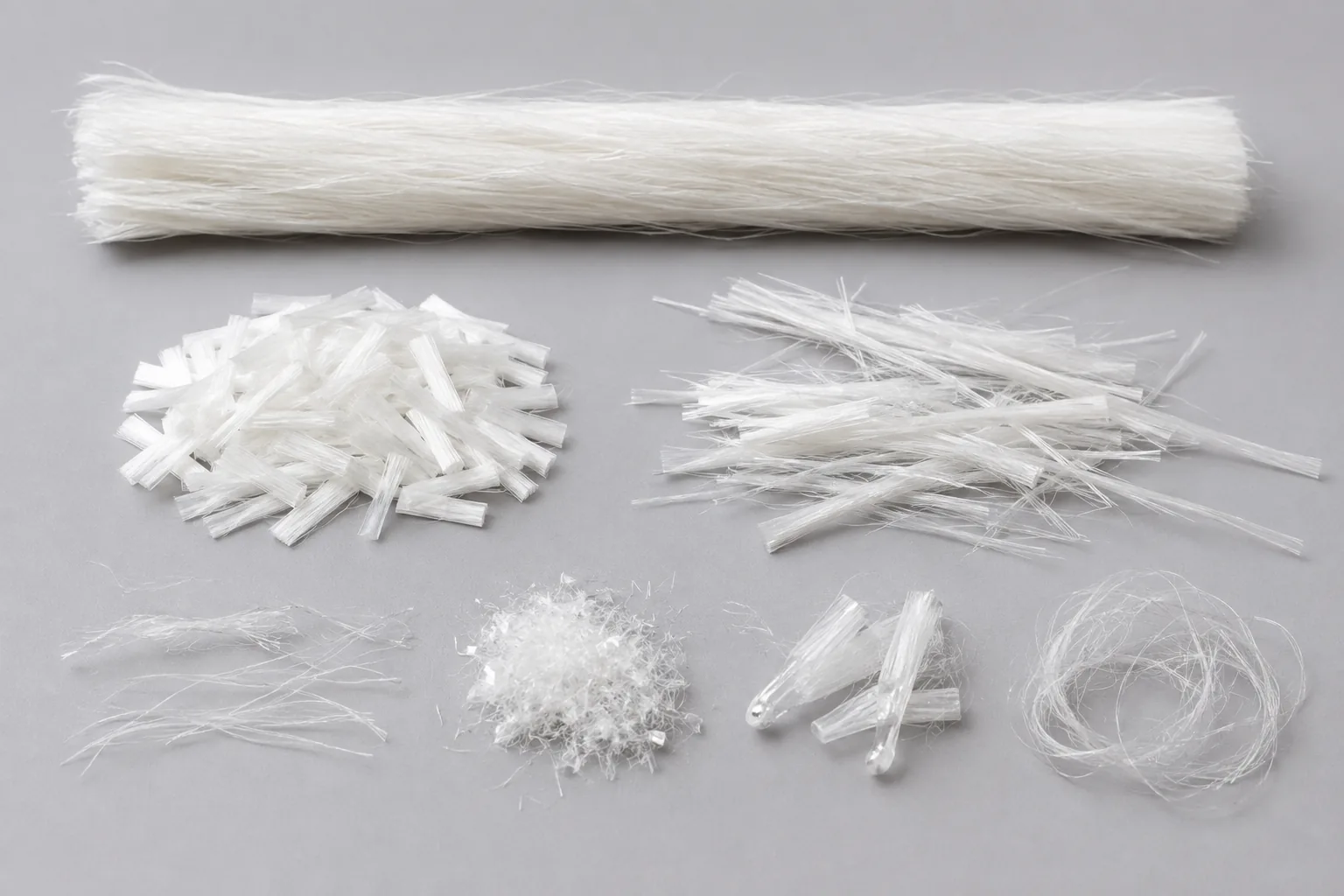
A tow bundle contains thousands of continuous filaments that must be presented evenly across the cutter. Fiber polymer, crimp, finish, moisture and tow tension influence whether each strike produces a clean, uniform staple length.
Updated
Where This Cutting Application Appears
Polyester staple-fiber production
Chops crimped PET tow into a controlled length before opening, baling or blending.
Specialty fiber length change
Changes cutter setup for a new polymer, denier, crimp or nominal staple length.
Cutter-set troubleshooting
Uses length distribution, fused bundles and wrap location to assess knife, bed, feed and tow spreading.
High-Frequency Chopping process boundary
high-frequency chopping for synthetic staple fiber tow is planned around preparation of fiber, strand, cable or compacted feed into a controlled form and length for the next processing stage; it is not finished sheet sizing, profile cutting or uncontrolled bulk shredding.
High-Frequency Chopping setup checkpoint
For synthetic staple fiber tow, confirm incoming bundle or bale condition, alignment, restraint, feed rate, target length or opening degree and downstream discharge.
High-Frequency Chopping acceptance checkpoint
For synthetic staple fiber tow, evaluate length or opening distribution, long strands or clumps, fines, incomplete separation, fiber damage and stable downstream feeding.
Define the Required Cut Result
- Narrow staple-length distribution
- Complete separation across the tow width
- Low fines, fused ends and filament damage
- No fiber accumulation around rotor or holders
Problems to Diagnose Before Changing the Knife
Uneven fiber length
- Verify feed speed against cutter frequency
- Check tow slip and tension
- Measure knife spacing or rotor pitch
Uncut filaments
- Inspect edge continuity and bed contact
- Check tow spreading across width
- Review clearance at worn holder positions
Fiber wrapping
- Locate the first wrap point
- Check static control and finish buildup
- Inspect gaps beside holders and shafts
Excess fines or fused ends
- Separate brittle fracture from thermal damage
- Record edge temperature and speed
- Confirm polymer, moisture and finish
Knife Forms That May Be Considered
| Possible knife form | When it may be considered | What must be confirmed |
|---|---|---|
| staple-fiber cutter blade | Designed for high-frequency cutter assemblies where spacing and mounting establish staple length. | Confirm dimensions and edge details from the staple-fiber cutter equipment, an unworn sample or an approved drawing before manufacture. |
| straight chopping knife | May suit indexed tow chopping with a supported bed and controlled feed increment. | Confirm dimensions and edge details from the tow chopper equipment, an unworn sample or an approved drawing before manufacture. |
| matched bed-knife system | Useful where positive shear between moving and stationary members is needed to sever a dense bundle. | Confirm dimensions and edge details from the fiber cutting system equipment, an unworn sample or an approved drawing before manufacture. |
Information to Send for Technical Review
You do not need to know the exact blade name. Send the available workpiece, machine, current-knife and cut-result information so the application can be reviewed against a drawing or sample.
- Cutter make, model and rotor arrangement
- Fiber polymer, denier, crimp and finish
- Tow count, total denier and spread width
- Target staple length and distribution limit
- Feed speed, cutter speed and tension
- Knife spacing, mounting and bed clearance
- Samples of long fiber, fines and fused bundles
- Set quantity, destination and shutdown date
Questions About This Cutting Application
Why are some filaments longer than the target staple length?
Tow slip, uneven spreading, missing edge contact or incorrect feed-to-cutter ratio can leave partial bundles uncut.
Does fiber finish affect cutting?
Yes. Finish and moisture influence friction, deposits and static, so include both in a trial record.
How is staple length established?
It may depend on knife spacing, rotor geometry or indexed feed. Confirm the actual cutter design before specifying blades.
What causes fiber to wrap around the rotor?
Partially cut filaments, static, exposed gaps and finish buildup can initiate wrapping. Identify the first accumulation point.
Can one cutter set process PET and another polymer?
Only after reviewing toughness, melting behavior, finish, denier and acceptance criteria for both fibers.
Related product and service information
- Carbon Fiber Non-Crimp Fabric Ply Cutting Blades - Dry multiaxial carbon fiber non-crimp fabric · Cross-cutting and profile ply cutting
- Slitting Spunbond Nonwoven Rolls - spunbond nonwoven rolls · longitudinal roll slitting
- Slitting Meltblown Nonwoven Web - meltblown nonwoven web · precision web slitting
Request a Custom Cutting-Knife Review
Send the workpiece details, machine or holder information, current knife photos or sample, required quantity and examples of the present cut problem. Final dimensions, material, edge geometry and tolerances are confirmed from the approved requirements.