
Blade Application Guides / Application Guide / Pulp and paper production
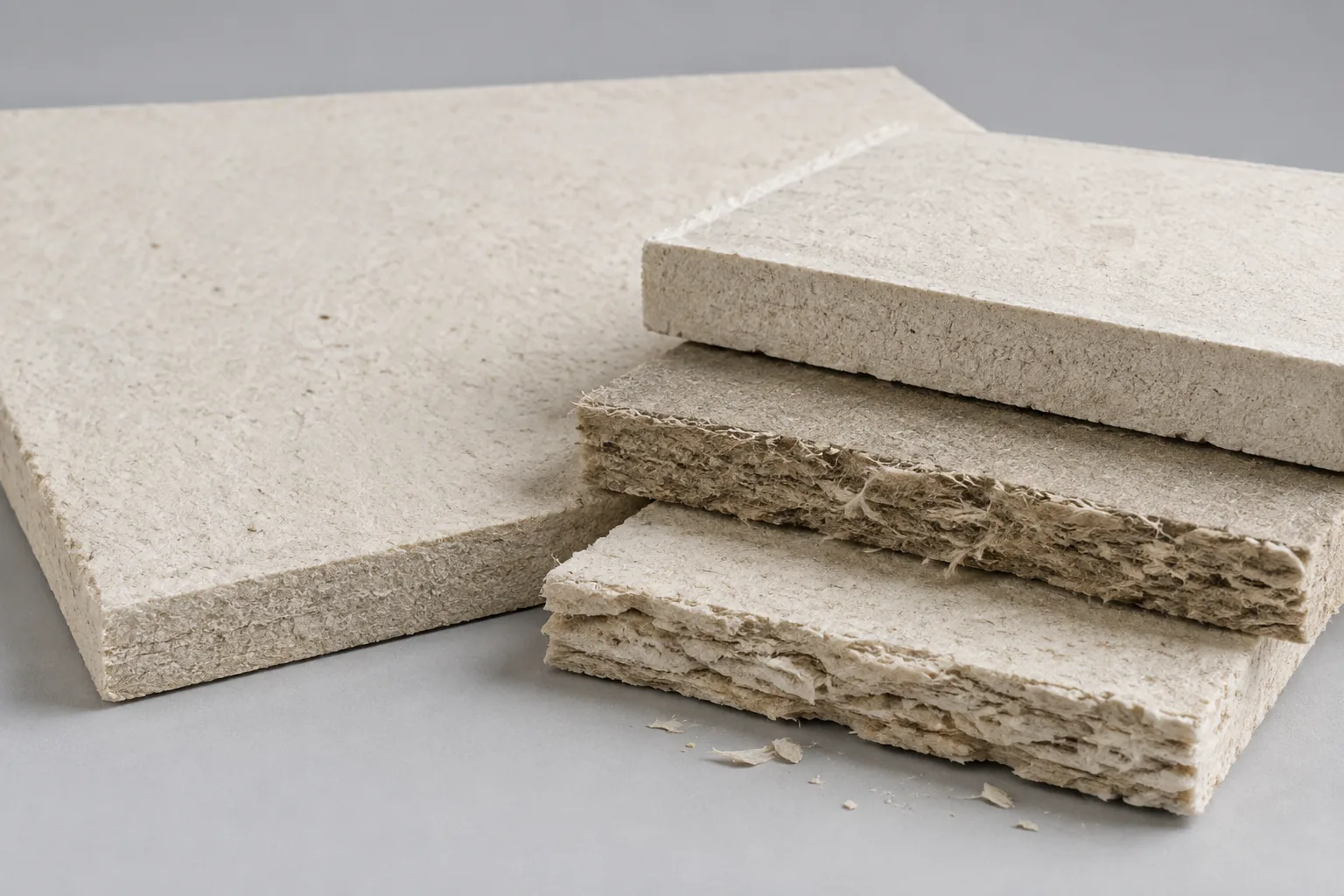
Pressed Pulp Sheet Cutting for Consistent Bale Size
Pressed pulp sheets can vary in moisture, density, fiber length, and surface consolidation across a production run. The cutting review must address whether sheets are wet lap, air-dried, or fully dried and how they are supported and stacked.
Updated
Where This Cutting Application Appears
Wet-lap sheet sizing before drying
Moist pulp webs or sheets are divided before final drying, where low strength, tack, and water content can create fiber drag.
Dried market-pulp sheet preparation
Consolidated sheets are cut to formats that stack and bale consistently for storage, transport, and repulping.
Specialty pulp feedstock portioning
Dissolving, fluff, or long-fiber pulp sheets are sized for controlled downstream feeding while limiting loose fiber and irregular pieces.
Size Cutting process boundary
size cutting for pressed pulp sheets is planned around establishment of final straight-sided dimensions or manageable sheet and panel formats from larger stock; it is not complex contour production, repeated roll slitting or narrow cosmetic trimming alone.
Size Cutting setup checkpoint
For pressed pulp sheets, confirm finished dimensions, datum edges, cut sequence, squareness method, hold-down and support for both the part and offcut.
Size Cutting acceptance checkpoint
For pressed pulp sheets, evaluate length, width, diagonal or squareness, corner integrity, edge compression, surface marking and dimensional recovery.
Define the Required Cut Result
- Separate moist or dry fiber mats without pulling bundles from the edge
- Keep sheet dimensions consistent for regular bale construction
- Prevent adjacent wet sheets from dragging or sticking together
- Limit loose fiber that affects handling and downstream feeding
Problems to Diagnose Before Changing the Knife
Long fibers pulled across the cut edge
Review fiber species and length, moisture, sheet density, cutting direction, support, and whether the pull occurs in wet or dry zones.
Wet sheets sticking and shifting as a group
Check water content, stack dwell, surface tack, separation method, clamp pressure, and movement between sheet layers.
Brittle fracture and loose flakes on dry pulp
Compare dryness, compaction, sheet temperature, edge support, impact at entry, and the distribution of fines.
Bale dimensions vary despite a fixed cut setting
Audit sheet shrinkage after cutting, feed indexing, stack alignment, datum position, compression, and the timing of dimensional inspection.
Knife Forms That May Be Considered
| Possible knife form | When it may be considered | What must be confirmed |
|---|---|---|
| Straight shear or guillotine form | Consider for stationary or indexed pulp sheets with broad support across the cut. | Confirm wet or dry condition, stack thickness, shear angle, mounting, and the approved equipment drawing. |
| Rotary cross-cutting form | Consider for continuous pulp webs or sheets moving toward drying or stacking. | Confirm line speed, timing, web support, fiber direction, roll interface, and representative pulp samples. |
Information to Send for Technical Review
You do not need to know the exact blade name. Send the available workpiece, machine, current-knife and cut-result information so the application can be reviewed against a drawing or sample.
- Pulp type, wood species or furnish, and intended end use
- Average fiber length, basis weight, sheet thickness, and density
- Moisture or dryness range at the cutting station
- Wet-lap, air-dried, flash-dried, or pressed-sheet condition
- Single-sheet, web, or stack-cutting arrangement
- Required sheet and bale dimensions plus shrinkage allowance
- Fiber pull, sticking, flaking, and loose-fines acceptance examples
- Line speed, support, existing cutting sample, and inspection timing
Questions About This Cutting Application
Why do wet-lap pulp sheets drag instead of separating cleanly?
High water content, low consolidation, long fibers, tack between sheets, and insufficient support can allow the fiber mat to deform. Record moisture and sheet condition at the cut.
Should dry and wet pulp use the same acceptance standard?
No. Wet material may be judged for separation and later shrinkage, while dry sheets may prioritize flaking, dimensions, stacking, and bale stability.
How should bale-size variation be traced?
Measure sheets immediately after cutting and after the normal drying or conditioning stage, then compare indexing, stack compression, and shrinkage by batch.
What sample is useful for specialty long-fiber pulp?
Send a full-width representative section protected at the edges, along with furnish, moisture, density, fiber direction, and accepted downstream feed behavior.
Can a cutter be specified from sheet dimensions only?
No. Moisture, fiber structure, line motion, support, stack thickness, and equipment interface are essential. Production requires confirmed dimensions and an approved drawing.
Related product and service information
- Tissue Log Cross Cutting and Compression Control - tissue logs · cross cutting
- Coated Paper Sheet Trimming Without Surface Damage - coated paper sheets · sheet trimming
- Book Block Three-Side Trimming for Square Clean Edges - bound book blocks · three-side trimming
Request a Custom Cutting-Knife Review
Send the workpiece details, machine or holder information, current knife photos or sample, required quantity and examples of the present cut problem. Final dimensions, material, edge geometry and tolerances are confirmed from the approved requirements.