
Blade Application Guides / Application Guide / Synthetic staple fiber production
Polypropylene Filament Tow Chopping Blades
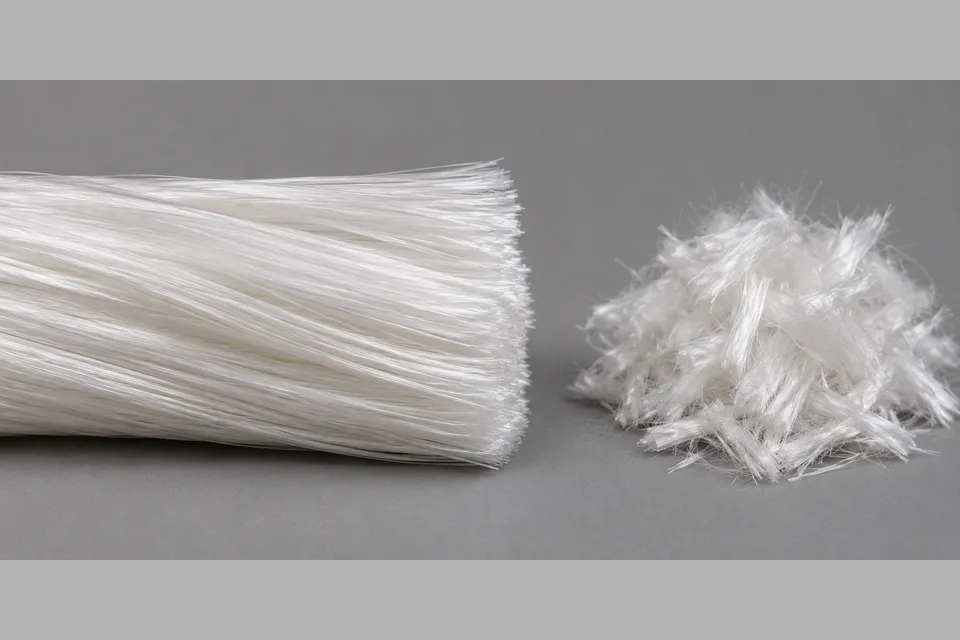
Polypropylene tow chopping converts an aligned continuous filament bundle into specified staple lengths. It is a different operation from opening an already-cut, compacted PP fiber bale. Before ordering a replacement, record the supplied tow, guide and cutter-head arrangement, target length and samples from several cutter positions. Compare uncut strands, length spread and any joined fiber ends with incoming tow condition and the actual machine settings rather than assuming every defect is blade wear.
Updated
Where This Cutting Application Appears
Staple-length conversion
Aligned continuous PP filaments are cut to the customer-approved staple-length specification before collection or later fiber handling.
Tow and guide review
Tow width, filament condition, finish and guide path are recorded before comparing cutter positions; no generic bundle size or tension is assumed.
Marked cutter-head trial
Samples are collected at named positions and times with the same tow lot, guide, operating state and length-measurement method.
Discharge verification
At-cut samples are compared with discharge material to distinguish a cutting defect from clumping or transfer after separation.
Define the Required Cut Result
- Meet the approved staple-length distribution under a defined sampling method
- Limit uncut continuous strands and connected fiber bundles
- Separate joined ends from incoming tow or downstream handling effects
- Keep results traceable to cutter-head position and trial time
Problems to Diagnose Before Changing the Knife
Uncut strands concentrate at one position
Map the affected tow path, guide loading, local blade contact and support at that cutter-head position before replacing the full blade set.
Cut length spreads across otherwise clean samples
Compare actual tow feed, head timing, sample position and agreed length-measurement method; do not infer a blade defect from a single mixed sample.
Joined or glossy fiber ends appear intermittently
Inspect incoming tow for joined filaments, record finish and local operating condition, then compare at-cut and discharge samples before assigning the cause.
Connected bundles appear only at discharge
Retain paired samples at the cutter and discharge to identify whether transfer or collection reconnects fibers.
PP Tow Chopping: Contact, Feed or Post-Cut Handling?
Keep tow lot and sampling method fixed, then locate where the first unacceptable strand or length shift appears.
Uncut filaments cluster at a marked head location
Inspect tow presentation, guide alignment, blade contact and support at that location using the installed component drawing.
All positions show similar length spread
Check physical feed, head timing and the length-measurement method before changing blade geometry.
At-cut fiber is separated but discharge contains bundles
Review the transfer and collection path rather than treating the cutter as the only cause.
Acceptance Criteria for a Controlled Trial
Agree how the trial will be judged before changing the knife or machine setting.
- Sample cut-fiber lengths at named cutter-head positions with the same approved method
- Count uncut strands or connected bundles in a fixed sample mass
- Record joined-end observations at the cutter and discharge separately
- Compare results after a defined run interval while logging tow lot and machine settings
Knife Forms That May Be Considered
| Possible knife form | When it may be considered | What must be confirmed |
|---|---|---|
| Replaceable cutter-head blade matched to the installed system | When the original cutter head uses replaceable blades and its exact interface is documented. | Confirm blade outline, mounting, working direction, counter-edge contact and approved sample against the original drawing; no machine interchangeability is assumed. |
| Moving and fixed cutting components | Only when the actual machine uses a paired cutting interface rather than a single blade against another support. | Check both components, alignment, support and maintenance procedure before quoting one component in isolation. |
Information to Send for Technical Review
You do not need to know the exact blade name. Send the available workpiece, machine, current-knife and cut-result information so the application can be reviewed against a drawing or sample.
- PP grade, filament titre, tow size, crimp and finish as supplied
- Incoming tow width, guide path and any pre-existing joined filaments
- Target staple length and customer-approved length distribution method
- Cutter-head type, feed state, speed and approved operating procedure
- Original blade, counter-edge, holder and mounting drawings
- Marked used blades and good/rejected fiber samples by head position
- Uncut-strand, joined-end and length acceptance limits
- Trial interval, discharge handling, required quantity and demand
Related Staple-Fiber Blade and Service Pages
Questions About This Cutting Application
Is PP tow chopping the same as PP bale opening?
No. Tow chopping cuts continuous aligned filaments to staple lengths; bale opening separates already-cut, compacted staple fibers into feedable tufts.
Can a replacement blade be chosen from fiber type alone?
No. Use the installed cutter-head and holder drawings, original component and accepted samples to confirm the interface.
Does an uncut strand always mean a dull blade?
No. Compare tow loading, guide alignment, local contact, support and incoming filament condition at the affected position.
Why sample at both cutter and discharge?
Paired samples separate cutting defects from bundling introduced during later transfer or collection.
Do public staple-fiber references specify MEIRENTE blade performance?
No. They explain the production context only; blade specification and acceptance require the actual machine, material and controlled trial.
Public references and scope
These public sources provide material, cutting-method or safety context for this guide. Supplier pages describe their own materials or equipment; they do not establish a MEIRENTE blade specification or performance claim. Confirm the actual grade, machine setup and required cut with a drawing or sample.
Related product and service information
- Polyester Staple Fiber Bundle Cutting Blades - polyester staple fiber · bundle cutting
- Carbon Fiber Tow Chopping Blades - carbon fiber tow · tow chopping
- Aramid Staple Fiber Tow Chopping Blades - aramid staple fiber · tow chopping
Request a Custom Cutting-Knife Review
Send the workpiece details, machine or holder information, current knife photos or sample, required quantity and examples of the present cut problem. Final dimensions, material, edge geometry and tolerances are confirmed from the approved requirements.