
Blade Application Guides / Application Guide / Paperboard converting
Solid Bleached Sulfate Board Edge-Trimming Blades
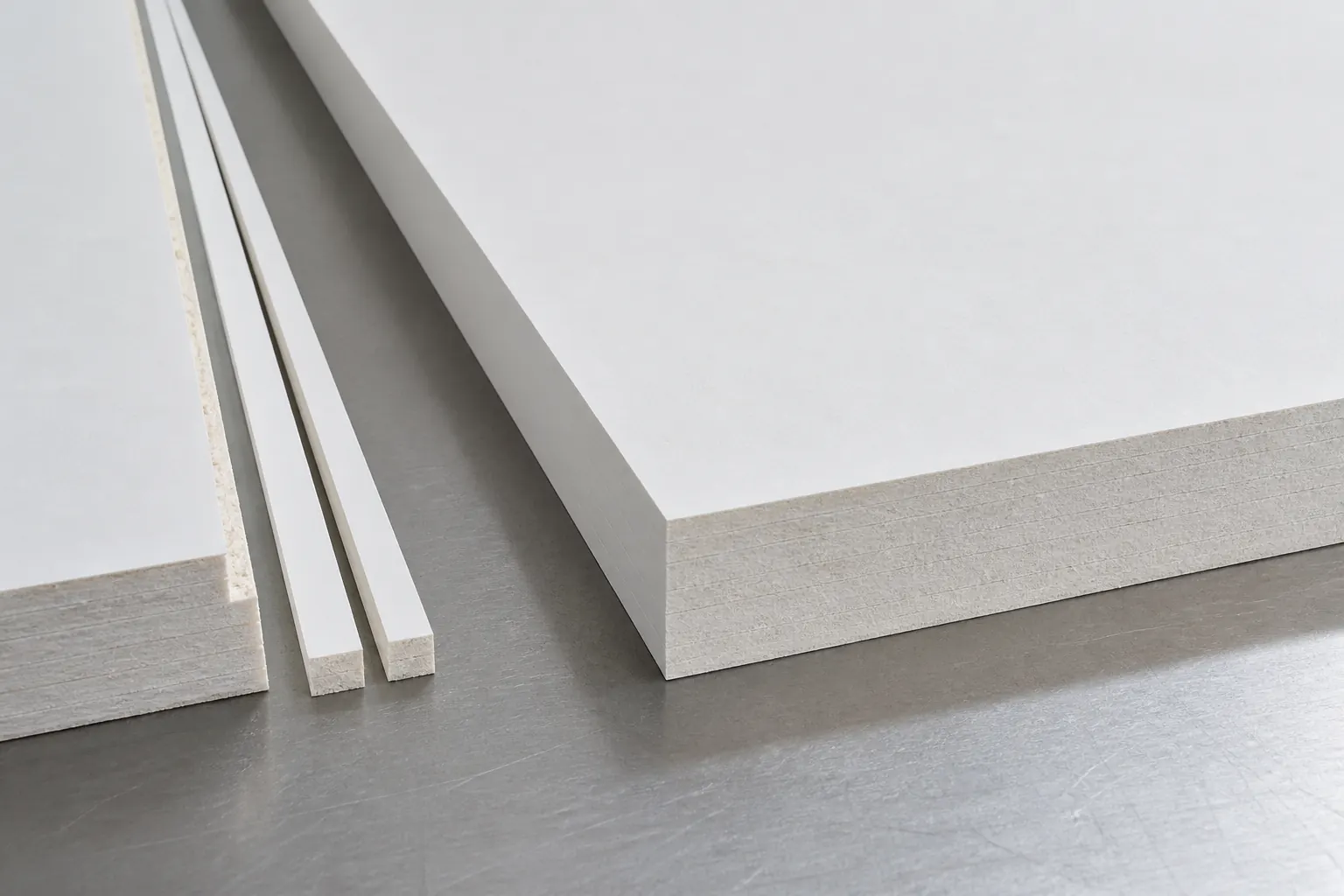
SBS edge trimming creates a clean web or sheet datum before printing, laminating or carton conversion. Its bright coated face makes contamination and breakout easy to see, while narrow trim strips can curl or fracture according to grain direction and coating balance.
Updated
Where This Cutting Application Appears
Coater-margin removal
Removes irregular side material to leave a usable coated-board width.
Print-web datum finishing
Establishes straight reference edges for stable registration in downstream conversion.
Laminated SBS flush trimming
Cuts surface film or paper and the SBS core to a common finished margin.
Edge Trimming process boundary
Edge trimming removes a narrow irregular, damaged or excess margin to finish an existing edge; it does not divide the full workpiece into several production widths.
Edge Trimming setup checkpoint
Define the trim allowance, reference edge, support close to the cut and a waste path that prevents the narrow offcut from re-entering the product.
Edge Trimming acceptance checkpoint
Inspect the finished edge for straightness, local tearing or crushing, surface scuffing and continuity from the start to the end of the trim.
Define the Required Cut Result
- Straight finished width with stable edge position
- Coating intact to the trimmed boundary
- Low white fiber and mineral dust
- Continuous waste-strip travel without marking the board
Problems to Diagnose Before Changing the Knife
White dust deposits on the printed face
- Map extraction and airflow
- Compare coating and fiber debris
- Record speed, humidity and trim side
Coating chips inward from the margin
- Inspect support and fracture direction
- Compare board conditioning
- Identify whether print or varnish changes brittleness
Trim ribbon curls into the finished web
- Record grain direction and coating balance
- Review strip width and collection route
- Compare tension on both sides
Finished edge oscillates laterally
- Check web guide response
- Measure incoming edge wave
- Inspect mounting runout and lateral restraint
Knife Forms That May Be Considered
| Possible knife form | When it may be considered | What must be confirmed |
|---|---|---|
| circular shear-trimming arrangement | May suit continuous SBS webs where rotary edges, web guidance and trim removal are coordinated. | Confirm diameters, bores, overlap, side load, rotation, mating parts and speed from the installed line. |
| supported fixed-edge trimming arrangement | May suit selected board constructions only where the equipment is designed to support that action. | Confirm material build, caliper, holder, support, exposure, speed and safety provisions before consideration. |
Information to Send for Technical Review
You do not need to know the exact blade name. Send the available workpiece, machine, current-knife and cut-result information so the application can be reviewed against a drawing or sample.
- SBS grade, coating, caliper and grain direction
- Printed, varnished or laminated surface details
- Incoming and finished widths with tolerance
- Trim-strip width and collection method
- Web speed, tension and edge-guide range
- Current trimming action and mounting dimensions
- Dust, coating-chip, curl and oscillation samples
- Inspection standard, roll dimensions and quantity
Questions About This Cutting Application
Why is white dust especially visible on SBS?
Bright fibers and mineral coating can transfer onto printed or darker surfaces, making collection and cleanliness important.
What makes a trim strip curl?
Grain direction, asymmetric coating, moisture and narrow geometry can release internal stress after separation.
Can edge guiding correct every width problem?
No. Incoming edge wave, mounting runout and lateral cutting forces should also be checked.
Should varnished board be reviewed separately?
Yes, because the surface layer can change brittleness, friction and acceptable marking.
Which dimensions are safe to infer?
None of the knife dimensions should be inferred from SBS alone; use equipment records, samples and approved drawings.
Related product and service information
- Solid Bleached Sulfate Board Sheet-Slitting Blades - solid bleached sulfate board · sheet slitting
- Liquid Packaging Board Edge-Trimming Blades - liquid packaging board · edge trimming
- Recycled Grey Chipboard Edge-Trimming Blades - recycled grey chipboard · edge trimming
Request a Custom Cutting-Knife Review
Send the workpiece details, machine or holder information, current knife photos or sample, required quantity and examples of the present cut problem. Final dimensions, material, edge geometry and tolerances are confirmed from the approved requirements.