
Blade Application Guides / Application Guide / filtration manufacturing
Trimming Nonwoven Filter Media Rolls
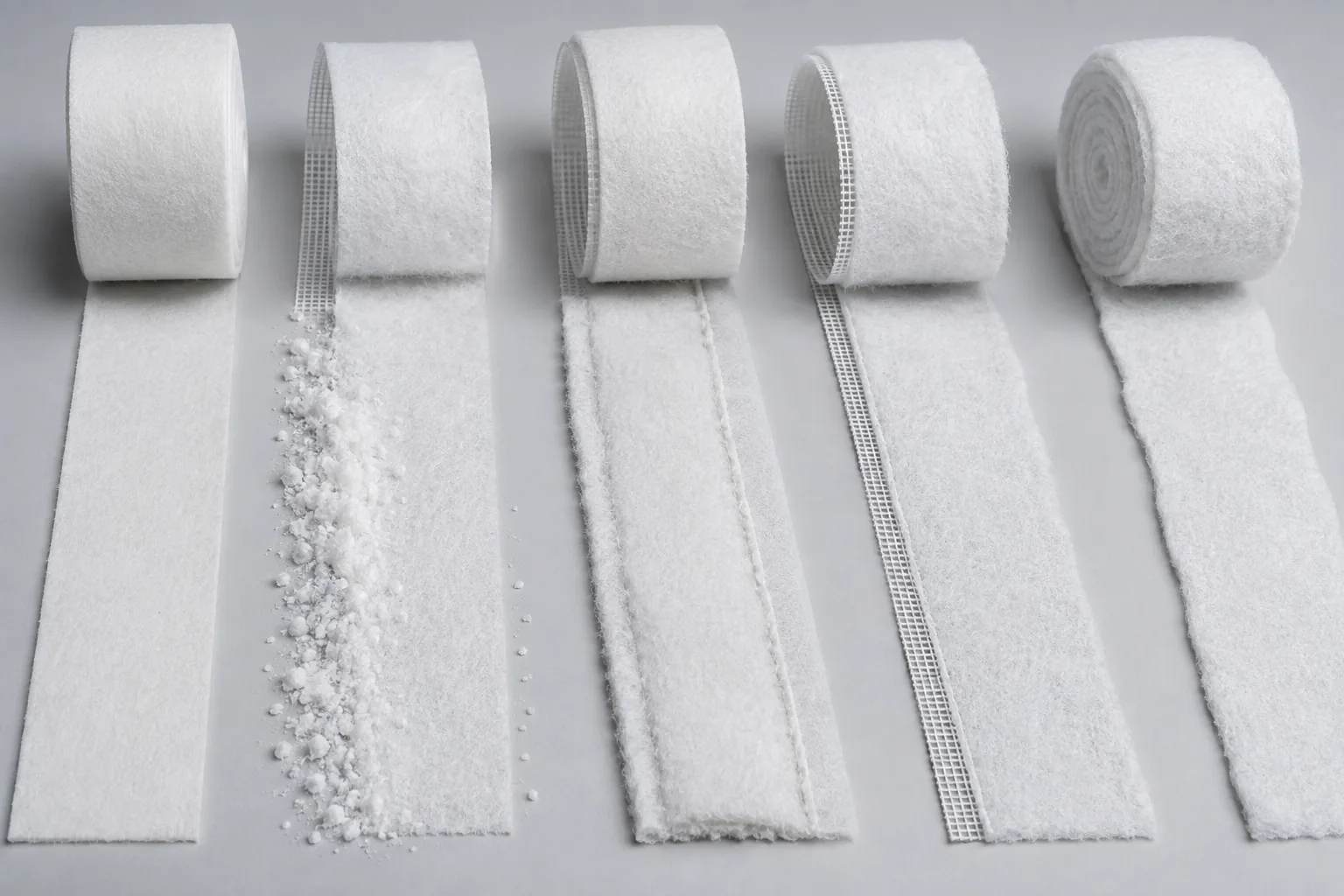
Filter media may combine fine-fiber layers, support scrims and functional coatings whose edge condition affects handling and cleanliness. Trimming must separate the construction without compacting the media into a hard ridge or releasing unacceptable particles downstream.
Updated
Where This Cutting Application Appears
Filter-media master-roll conversion
Creates narrower rolls for pleating, bag making, cartridge assembly or lamination.
Edge trim after coating or lamination
Removes unstable margins while preserving functional media and support-layer registration.
Cleanliness-sensitive roll preparation
Controls particles and edge compression before media enters a clean assembly process.
Roll Trimming And Web Slitting process boundary
roll trimming and web slitting for nonwoven filter media is a linked sequence: the output condition and datum from each operation become the controlled input for the next. It should not be evaluated as one generic cut or accepted only by the final dimension.
Roll Trimming And Web Slitting setup checkpoint
For nonwoven filter media, define the operation order, intermediate dimensions, registration transfer, material support, web or part handling and waste route for every stage of roll trimming and web slitting.
Roll Trimming And Web Slitting acceptance checkpoint
Verify both intermediate and final results from roll trimming and web slitting, including dimensions, registration, edge or feature quality, material damage, waste separation and stable transfer between stages.
Define the Required Cut Result
- Low particle and fiber release
- No dense ridge that interferes with pleating
- Stable width and registered laminate layers
- Clean wound edges without telescoping
Problems to Diagnose Before Changing the Knife
Particle shedding
- Identify fragile fiber or coating layer
- Inspect cut edge under agreed magnification
- Check extraction and contact contamination
Compressed media edge
- Measure media loft before and after cutting
- Review anvil pressure or knife overlap
- Check whether compression recovers
Layer offset
- Mark scrim and media registration
- Check differential tension
- Inspect lamination bond near the edge
Width variation
- Verify guiding before the slitter
- Measure holder position and runout
- Compare width through roll build
Knife Forms That May Be Considered
| Possible knife form | When it may be considered | What must be confirmed |
|---|---|---|
| razor slitter | May minimize force on thin media where support, blade exposure and particle-control procedures are suitable. | Confirm dimensions and edge details from the filter-media slitter equipment, an unworn sample or an approved drawing before manufacture. |
| circular shear slitter | May provide positive separation of scrim-reinforced or laminated media through controlled shear engagement. | Confirm dimensions and edge details from the filter-media shear slitter equipment, an unworn sample or an approved drawing before manufacture. |
| score-cut wheel | May suit robust media against a hardened anvil if edge compaction remains within the downstream limit. | Confirm dimensions and edge details from the filter-media score cutter equipment, an unworn sample or an approved drawing before manufacture. |
Information to Send for Technical Review
You do not need to know the exact blade name. Send the available workpiece, machine, current-knife and cut-result information so the application can be reviewed against a drawing or sample.
- Media converter and slitter model
- Fiber type, basis weight and media grade
- Scrim, membrane, coating and laminate sequence
- Thickness, loft and compression recovery
- Master width, slit plan and roll diameter
- Speed, tension, support and cleanliness class
- Particle and compressed-edge acceptance criteria
- Current knife, quantity and delivery destination
Questions About This Cutting Application
Why is a hard ridge forming at the filter edge?
Excess score pressure, overlap or a wide edge can compact the porous structure. Compare thickness and airflow needs at the edge.
Does visible lint define filter cleanliness?
Not always. Agree on inspection, particle or downstream performance criteria appropriate to the media.
When is shear slitting preferred?
It may suit reinforced laminates requiring positive separation, provided overlap, runout and side load are controlled.
Can the support scrim shift during cutting?
Yes. Differential tension or weak bonding can move layers; mark registration before and after the station.
What should be saved from a trial roll?
Keep upstream media, accepted and rejected slit edges, and samples from the beginning and end of the roll.
Related product and service information
- Sheeting Nonwoven Wipe Material - nonwoven wipe material · sheeting and cross-cutting
- Slitting Spunbond Nonwoven Rolls - spunbond nonwoven rolls · longitudinal roll slitting
- Slitting Meltblown Nonwoven Web - meltblown nonwoven web · precision web slitting
Request a Custom Cutting-Knife Review
Send the workpiece details, machine or holder information, current knife photos or sample, required quantity and examples of the present cut problem. Final dimensions, material, edge geometry and tolerances are confirmed from the approved requirements.