
Blade Application Guides / Application Guide / Electric vehicle battery manufacturing
Busbar Insulation Laminate Edge-trimming Blades
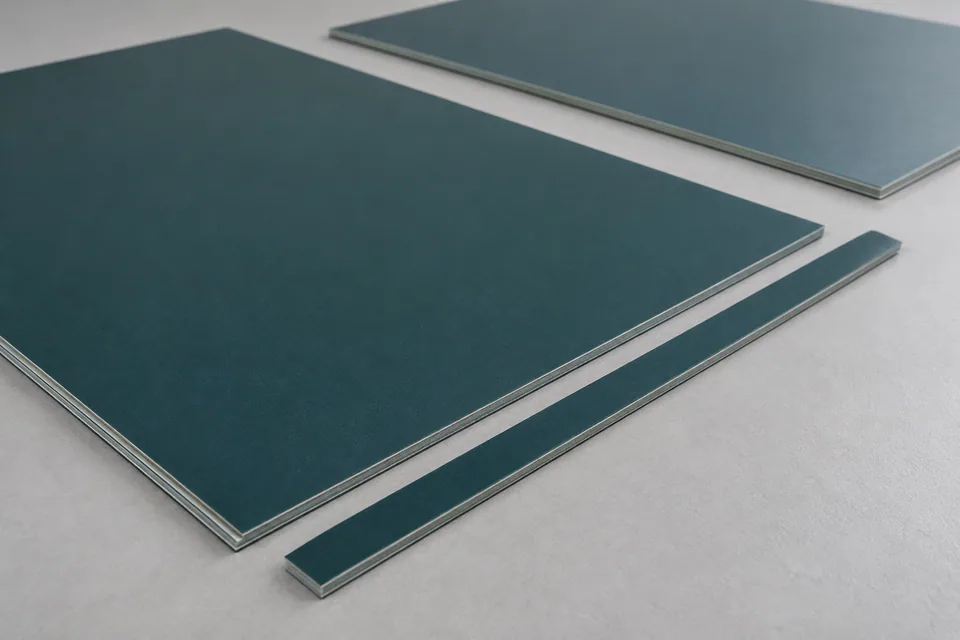
Edge trimming removes an outside waste margin from a flexible busbar insulation laminate so the remaining film has a controlled edge for later conductor coverage. It is narrower in scope than profile cutting and different from slitting multiple usable lanes. Rogers explains that adhesive-coated insulation film is laminated around busbar conductors and that edge sealing is part of the final construction. Consequently the trimmed edge should be assessed against the planned film overlap and seal land, not just against a roll-width number. Confirm whether the stock is PET, polyimide or another specified laminate, and identify the release liner before placing the trim line.
Updated
Where This Cutting Application Appears
Set the final edge from the stack
Locate the conductor edge and desired film extension on the approved assembly drawing. Remove only the specified sacrificial material; over-trimming can remove the overlap that would help seal around metal.
Protect adhesive and liner
Check if the liner stays on through trimming. Inspect for adhesive stringing, contamination or exposed adhesive sticking to guide surfaces. A liner nick can complicate later stripping even when the film edge itself is sound.
Manage the narrow trim strip
Guide scrap away from useful stock before winding. Watch for trim-strip breakage, wrapping or lateral pull that changes the finished width. A clear waste route is part of the trial result.
Inspect downstream condition
Measure edge position and look for stretched film, burr-like lips, adhesive ooze and trapped particles. Check a sample after lamination to ensure the retained edge still meets the intended coverage plan.
Define the Required Cut Result
- Hold the specified film edge and coverage allowance.
- Keep adhesive clean and the release liner functional.
- Remove scrap without pulling the useful web out of position.
- Provide a retained edge suitable for the later busbar lamination trial.
Problems to Diagnose Before Changing the Knife
Retained film is too narrow
- Verify drawing datum and trim allowance.
- Check tracking and lateral movement.
- Measure before and after rewinding.
Adhesive smears at the edge
- Inspect blade buildup and adhesive exposure.
- Check liner support through the cut.
- Compare the material after the actual storage interval.
Scrap catches on the web
- Review trim width and collection path.
- Inspect where it first contacts the retained film.
- Reduce uncontrolled lateral pull in the trial setup.
Knife Forms That May Be Considered
| Possible knife form | When it may be considered | What must be confirmed |
|---|---|---|
| Single continuous edge-trim knife | For a straight sacrificial edge on supported laminate stock. | Confirm actual layer stack, waste handling and retained edge. |
| Opposed shear edge-trim pair | Where the existing line uses a supported shear action on film laminate. | Confirm mounting, blade contact and liner condition rather than assuming a universal setup. |
Information to Send for Technical Review
You do not need to know the exact blade name. Send the available workpiece, machine, current-knife and cut-result information so the application can be reviewed against a drawing or sample.
- Film and adhesive grade, liner construction and thickness
- Original width, target width and trim width
- Conductor drawing showing insulation overlap and seal land
- Accepted film, adhesive and liner edge samples
- Line tracking, guiding and waste collection layout
- Winding or stacking plan
- Post-lamination inspection criteria
Questions About This Cutting Application
Does trimming determine final electrical performance?
No. It prepares film stock; the completed busbar must undergo the buyer’s assembly tests.
Can outside trim be collected on the same spool as useful stock?
The waste route must avoid contacting or contaminating useful film. Confirm the collection design during the trial.
Is edge trimming the same as making a shaped blank?
No. Trimming removes a defined outside margin; contour cutting makes a discrete profile with turns or openings.
What is a critical over-trim risk?
Removing insulation needed for conductor coverage or edge sealing. Use the assembly drawing as the reference.
Public references and scope
These public sources provide material, cutting-method or safety context for this guide. Supplier pages describe their own materials or equipment; they do not establish a MEIRENTE blade specification or performance claim. Confirm the actual grade, machine setup and required cut with a drawing or sample.
Related product and service information
- Cell-to-cell Aerogel Pad Contour-cutting Blades - cell-to-cell aerogel pad · contour cutting
- Busbar Insulation Laminate Contour-cutting Blades - busbar insulation laminate · contour cutting
- Mica Battery Barrier Sheet Contour-Cutting Blades - mica battery barrier sheet · contour cutting
Request a Custom Cutting-Knife Review
Send the workpiece details, machine or holder information, current knife photos or sample, required quantity and examples of the present cut problem. Final dimensions, material, edge geometry and tolerances are confirmed from the approved requirements.