
Blade Application Guides / Application Guide / Membrane module manufacturing
Ceramic Membrane Support Green Sheet Cross-Cutting Blades
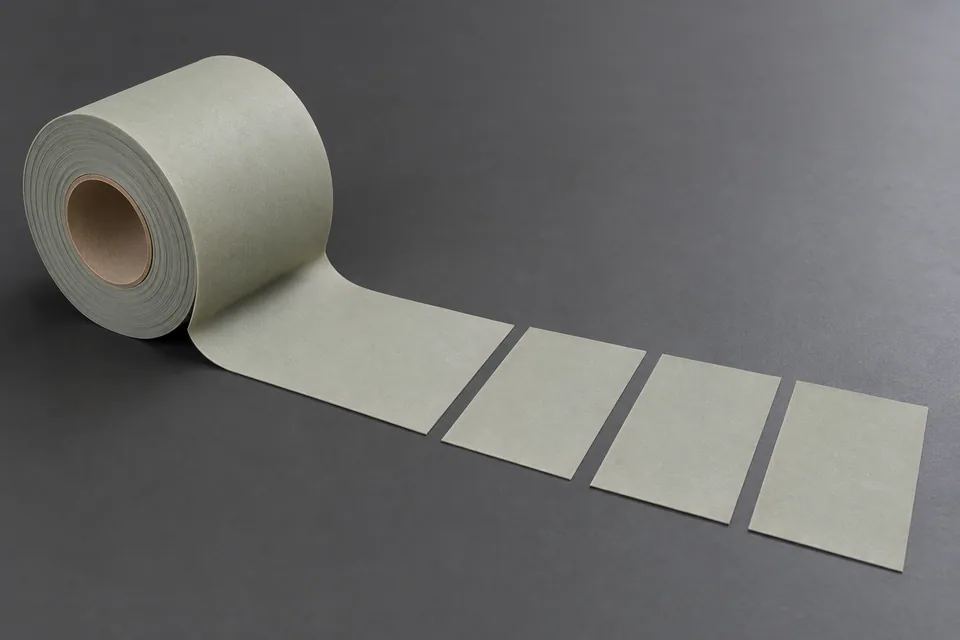
A ceramic membrane-support green sheet is an unfired, binder-bearing ceramic tape. Fraunhofer IKTS describes tape-cast porous flat-membrane supports and lists cutting among their green-tape processing steps. If a supplier delivers that stock as a continuous dried web, a transverse cut can separate one blank from the next before debinding and sintering. Keko's green-tape blanker explicitly cuts individual sheets to length from a roll; an original alumina-membrane study cut round green pieces before firing, supporting the process stage but not a straight cross-cut geometry. None of these sources qualifies a particular membrane-support recipe or a MEIRENTE blade; the buyer's actual stock and cutter determine feasible tooling.
Updated
Where This Cutting Application Appears
Establish the cut stage
Identify whether the incoming material is a dried green roll, a loose green sheet or a fired plate. A cross cut across web travel sets one rectangular blank's length; it is distinct from longitudinal slitting or contour cutting. Fraunhofer documents green tapes for porous flat-membrane supports and their cutting before sintering, while the Keko blanker demonstrates the specific roll-to-sheet length cut. The actual membrane-support formulation still needs its own trial.
Decide how the carrier travels
Keko's equipment description covers both freestanding green tapes and tapes on a carrier. For supported stock, decide whether the blank includes the carrier, whether the backing is cut separately, and when it is peeled. Ask for a layered sample: a cut can appear sound on the backing but release powder or form a hidden crack during peel-off. Record which face contacts the bed and hold-down.
Register each transverse blank
Use the buyer's sheet layout to set cut length, edge allowances and any later lamination or firing orientation. Keko's green-tape blanker can deliver individual sheets to a magazine; that illustrates a sheet-making route, not an implied machine specification for this project. Inspect first and last blanks in a run for length drift, skew, corner damage and debris transferred during stacking.
Separate green-edge and fired-part acceptance
The original alumina-membrane study cut round pieces from dried green tape before binder removal and sintering; that is evidence for the green cutting stage, not for this straight-cut geometry. Green cut length and a neat-looking edge cannot establish final size or porosity. The ceramic producer should set shrinkage allowance and assess fired samples for warpage, cracks and membrane properties. Keep green measurements tied to the same sample IDs used after firing.
Trial blade engagement on the real stock
Compare candidate cuts for powdered edges, binder drag, cracked corners and carrier damage. If loose sheet handling causes flexure, support the entire blank during cutting and pickup. A straight blade station or a compatible synchronized cross-cut unit may be evaluated from the buyer's line drawings. Do not transfer a knife setting from electronic ceramic tape to a porous membrane support without a sample trial.
Define the Required Cut Result
- Separate individual green blanks at the buyer's specified length and squareness.
- Keep ceramic powder, cracks and binder drag within the agreed green-edge acceptance sample.
- Control carrier damage and release behavior for the specified handling sequence.
- Prevent cut debris from reaching accepted blanks or later membrane layers.
- Trace representative green blanks through firing before accepting final geometry or membrane performance.
Problems to Diagnose Before Changing the Knife
The cross cut leaves powder or a chipped corner
- Compare drying state, binder condition and backing support for the same lot.
- Inspect blade condition and the point where the cut exits the sheet.
- Check edge appearance after carrier release and after firing.
Blank length or squareness drifts
- Check feed registration, web slip and cross-cut timing.
- Measure both longitudinal edges of the blank rather than one centerline length.
- Compare early and late blanks against the same drawing revision.
Carrier tears or peels at the cut
- Confirm whether ceramic and carrier are intended to be severed together.
- Inspect backing tension and hold-down immediately upstream of the blade.
- Observe the edge again after the specified release step.
The blank cracks during transfer
- Locate the first visible crack relative to cutting, pickup and stacking.
- Review full-area support and the stack or magazine handoff.
- Keep a labeled uncut control from the same green-tape lot.
Knife Forms That May Be Considered
| Possible knife form | When it may be considered | What must be confirmed |
|---|---|---|
| Straight cross-cut blade and matched support | For intermittent transverse blanking when the buyer's green tape, carrier and machine support a straight cut. | Use the line drawing and sample cuts to check engagement, backing condition and green-edge cracks. |
| Rotary cross-cut knife | Only for an existing synchronized rotary station whose feed and handling suit the actual green-tape web. | Verify timing, wrap and sample integrity; a green-tape blanker reference does not establish rotary suitability. |
Information to Send for Technical Review
You do not need to know the exact blade name. Send the available workpiece, machine, current-knife and cut-result information so the application can be reviewed against a drawing or sample.
- Green-tape composition, drying state and batch identification
- Roll or loose-sheet form and the incoming web width
- Carrier material and whether the carrier is cut or retained
- Blank length, squareness and edge allowance on the current drawing
- Green-edge crack, powder and corner-damage acceptance samples
- Cutter type, blade mount, bed or anvil and hold-down drawings
- Feed registration method and intended blank collection route
- Customer's green-to-fired shrinkage allowance and firing validation plan
Questions About This Cutting Application
What does cross cutting mean for green tape?
It is a transverse cut across web travel that separates a sheet blank. It does not create narrow lanes along the roll.
Can the same cut include a carrier film?
Possibly, but the buyer must specify whether the backing remains with the blank. Inspect both ceramic and carrier after the actual cutting and release sequence.
Does a clean green edge prove the fired support is acceptable?
No. Binder removal and sintering change dimensions and can reveal cracks or warpage. The ceramic producer must test representative fired parts.
Does a green-tape blanker prove that rotary knives will work?
No. The cited equipment shows sheet blanking from a roll. Rotary knife suitability depends on the buyer's machine and this membrane-support stock.
Which sample should accompany an RFQ?
Send an identified green-tape lot with its carrier, a blank drawing, the cutter mount details and accepted and rejected edge examples.
Public references and scope
These public sources provide material, cutting-method or safety context for this guide. Supplier pages describe their own materials or equipment; they do not establish a MEIRENTE blade specification or performance claim. Confirm the actual grade, machine setup and required cut with a drawing or sample.
Related product and service information
- Electrodialysis Spacer Mesh Shear Slitting Blades - electrodialysis spacer mesh · shear slitting
- Nanofiltration Membrane Sheet Shear Slitting Blades - nanofiltration membrane sheet · shear slitting
- Water-Blocking Cable Yarn Transverse Cutting Blades - water-blocking cable yarn · transverse cutting
Request a Custom Cutting-Knife Review
Send the workpiece details, machine or holder information, current knife photos or sample, required quantity and examples of the present cut problem. Final dimensions, material, edge geometry and tolerances are confirmed from the approved requirements.