
Blade Application Guides / Application Guide / Wind-turbine blade manufacturing
Blade Leading-Edge Protection Tape Roll Slitting Blades
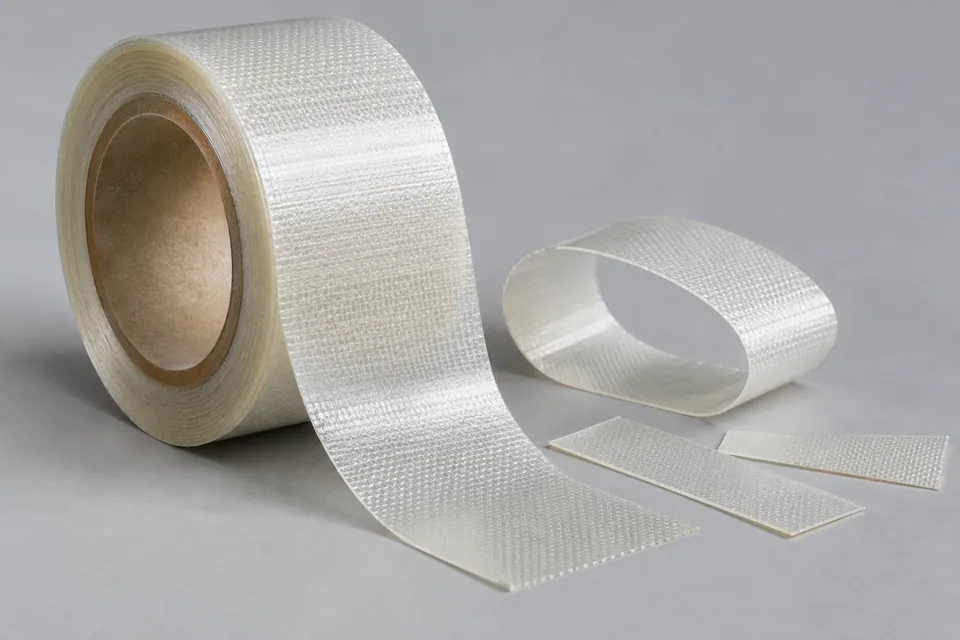
3M supplies polyurethane leading-edge protection tape with acrylic pressure-sensitive adhesive for wind turbine blades, including roll formats and different widths. A converter may slit eligible wider source stock into design-approved widths, provided the product supplier permits the conversion. This page concerns the roll-to-roll lane plan and winding result; it does not assert that every branded finished tape may be reslit, nor does it define the final installation length on a blade. The backing, adhesive and release liner form a stack whose cut edge and roll build must be checked together.
Updated
Where This Cutting Application Appears
Set the width from the installation plan
Read the blade leading-edge protection drawing and approved tape grade. Determine lane widths, allowed waste and winding orientation from the application method, not simply from maximum roll yield. Check whether a supplier-supplied finished width already meets the job; conversion should not silently change a qualified product specification. Keep the liner and adhesive face identifiable.
Trial the actual web path
Unwind a representative approved source roll, support the polyurethane backing and guide it without stretching. Test an appropriate slit mode rather than assuming a single knife geometry. Pressure-sensitive adhesive can transfer to blades or squeeze at the sidewall; the liner may bridge even when the backing separates. Capture waste so it cannot stick to the retained lanes.
Inspect narrow rolls after rewinding
Measure width at several positions and look for backing nick, adhesive smear, liner cuts, edge curl and interlayer blocking. Check roll face alignment and whether the slit tape telescopes. Unwind a trial length because a good-looking wound roll can later peel its liner or leave adhesive residue on the adjacent turn.
Preserve application identity
Mark original product grade, lot, converted width and direction on each narrow roll. Protect liner and edges during packaging. 3M distinguishes factory and field uses of its wind tape; installation procedures, surface preparation and edge sealing where applicable remain governed by the selected product instructions.
Test a real application segment
Cut a representative segment from the narrow roll and apply it on a qualified test surface or blade fixture under the installer’s procedure. Confirm that the slit edge conforms without lifting and that the liner removes cleanly. This trial does not establish weathering or erosion life; the tape maker and blade owner determine product qualification and service acceptance. Compare the slit lane against an untouched supplier roll of the same grade. If the converted edge shows a new adhesive lip or backing stretch, keep that evidence with the tooling trial instead of attributing it to installation handling.
Define the Required Cut Result
- Produce approved tape lane widths with stable winding.
- Preserve polyurethane backing, acrylic adhesive and liner.
- Avoid edge curl, adhesive bleed and blocking.
- Keep product identity through conversion and installation.
Problems to Diagnose Before Changing the Knife
Adhesive transfers across wound turns
- Inspect roll faces and unwind a sample.
- Review blade pressure and winding tension.
- Check liner integrity.
Narrow lane curls at the slit edge
- Check backing strain and blade wear.
- Measure after relaxation.
- Verify fit on the application fixture.
Knife Forms That May Be Considered
| Possible knife form | When it may be considered | What must be confirmed |
|---|---|---|
| Qualified roll-slitting knife system | For authorized source stock after stack trials. | Check all layers and winding. |
| Paired shear knives | One candidate when backing and liner accept shear. | Look for adhesive squeeze-out and liner damage. |
Information to Send for Technical Review
You do not need to know the exact blade name. Send the available workpiece, machine, current-knife and cut-result information so the application can be reviewed against a drawing or sample.
- Approved 3M or other tape grade and source-stock authorization
- Incoming and target widths
- Backing, acrylic adhesive and liner arrangement
- Winding core and installation direction
- Edge, blocking and peel acceptance
Questions About This Cutting Application
Is roll slitting the final blade application cut?
No. It makes narrow continuous rolls; installation lengths are cut later.
Can any finished tape roll be reslit?
Only if the product owner approves the source format and conversion.
Why inspect the liner?
A damaged liner can expose adhesive and make the roll block.
Does a clean slit certify erosion performance?
No. Product qualification and installed performance are separate.
Public references and scope
These public sources provide material, cutting-method or safety context for this guide. Supplier pages describe their own materials or equipment; they do not establish a MEIRENTE blade specification or performance claim. Confirm the actual grade, machine setup and required cut with a drawing or sample.
Related product and service information
- Blade Leading-Edge Protection Tape Rotary Die-Cutting Blades - blade leading-edge protection tape · rotary die cutting
- Blade-Root Reinforcement Fabric Roll Slitting Blades - blade-root reinforcement fabric · roll slitting
- Wind-Blade Structural Adhesive Film Roll Slitting Blades - wind-blade structural adhesive film · roll slitting
Request a Custom Cutting-Knife Review
Send the workpiece details, machine or holder information, current knife photos or sample, required quantity and examples of the present cut problem. Final dimensions, material, edge geometry and tolerances are confirmed from the approved requirements.