
Blade Application Guides / Application Guide / Medical disposables manufacturing
Dialysis Solution Bag Film Cross-Cutting Blades
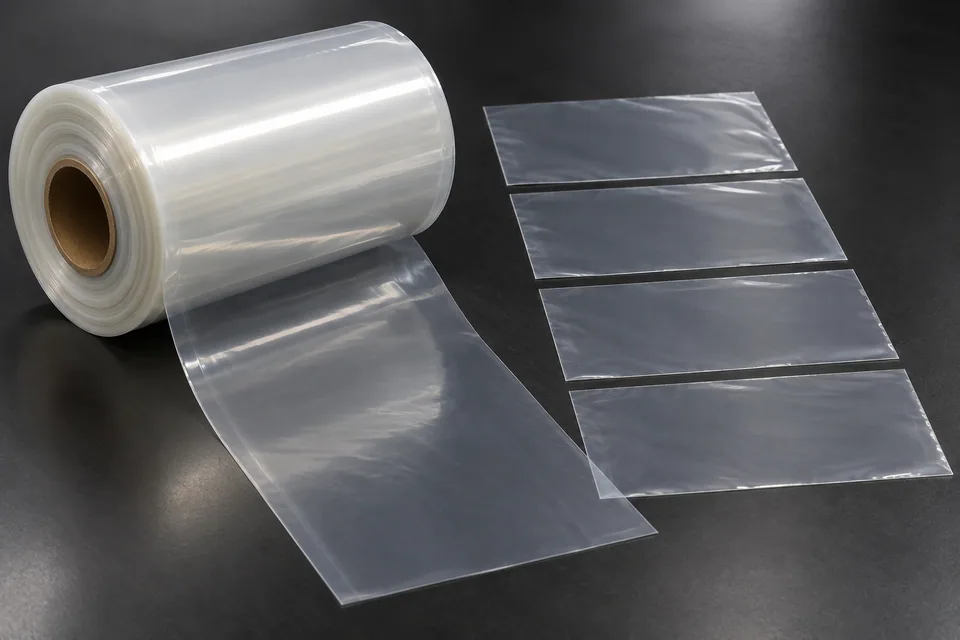
Dialysis solution bags may use PVC or another specified polymer blend, and the bag may have ports and an overwrap. Cross cutting prepares film lengths before sealing and assembly; it does not make a finished medical container. Obtain the actual fluid-contact film grade and the bag drawing before setting blank length, cut timing or a blade edge.
Updated
Where This Cutting Application Appears
Locate the bag-film blank before assembly
Work from the dialysis-bag drawing and distinguish the fluid-contact film from any overwrap. Cross cut the selected web into finite lengths before sealing, adding ports or filling. Mark transverse cut position against the future seal band and port setback; do not treat an assembled bag drawing as a knife drawing.
Control film feed and cut timing
PVC and polyolefin-based dialysis bags are documented by the device manufacturer, but the supplied film grade and feed behavior remain unknown. Record nip pressure, tension, registration trigger and support at the cross cutter. Compare early and late blanks because film stretch or slip can shift a future seal allowance.
Inspect edges that will enter bag making
Check the full transverse edge on both faces for tails, slivers, tears and particles. Give the areas near a future fluid path, seal or port extra attention under the bag maker’s inspection method. Recheck after stacking to distinguish cutter debris from transfer contamination.
Keep conversion separate from device release
Track the roll lot, cut setting and rejected blanks through takeoff. The cutting record can establish only blank dimensions and observable edge condition. Seal integrity, solution contact, sterilization and finished-container performance remain part of the medical-device manufacturer’s validation.
Preserve film and overwrap identity
Do not mix fluid-contact bag film and overwrap stock in the same accepted lot. The Fresenius example uses either PVC or a polyolefin blend and includes an overwrap, but another buyer construction may differ. Record the supplied grade and face orientation with each transverse blank.
Define the Required Cut Result
- Meet the bag-maker’s blank length and seal/port setback drawing.
- Keep fluid-contact film and overwrap lots distinct.
- Limit slivers, tears and particles at future seal areas.
- Retain roll and cutter-setting traceability for each blank batch.
Problems to Diagnose Before Changing the Knife
Bag-film blank misses the future seal line
- Compare print datum, trigger timing and measured blank length.
- Check tension and nip slip on the supplied film.
Cut slivers stay near a future port
- Inspect shear engagement and web support across the width.
- Check static attraction and takeoff surfaces against the buyer particle method.
Fluid-contact film curls after stacking
- Locate the first handling point where curl appears.
- Compare with an uncut sample of the same film lot.
Overwrap and inner film become mixed
- Separate source-roll IDs and takeoff containers.
- Verify face and material labels on retained blanks.
Knife Forms That May Be Considered
| Possible knife form | When it may be considered | What must be confirmed |
|---|---|---|
| Straight cross-cut shear set | For transverse cutting on a compatible shear station. | Confirm blade length, holder, support and engagement from machine drawings. |
| Rotary cross-cut knife | For a compatible synchronized rotary cross-cutter. | Confirm cylinder geometry, timing and registration at production speed. |
Information to Send for Technical Review
You do not need to know the exact blade name. Send the available workpiece, machine, current-knife and cut-result information so the application can be reviewed against a drawing or sample.
- Fluid-contact film grade and separate overwrap specification
- Bag blank drawing with seal band, port setback and print datum
- Web width, film thickness and face orientation
- Buyer sliver, particle and edge inspection method
- Cross-cutter holder, support and timing drawings
- Feed tension, registration and nip records
- Accepted blank and rejected-edge samples
- Lot separation, stacking and traceability plan
Questions About This Cutting Application
What is cross cut before bag assembly?
It makes separate lengths of the specified bag film across the moving web. Ports, seals and filled sterile bags are later operations.
Why distinguish bag film from overwrap?
The two materials serve different positions in the finished product; the blade trial and lot record must identify which web was cut.
Where is cut registration checked?
Compare the transverse edge with the future seal band, port setback and any print datum on the bag-maker drawing.
How are cut slivers judged?
Use the bag maker’s inspection method at the new edge and again after stacking, especially near future fluid-contact or seal areas.
Does a clean blank validate a dialysis bag?
No. The device manufacturer separately validates sealing, solution contact, sterilization and final-container performance.
Public references and scope
These public sources provide material, cutting-method or safety context for this guide. Supplier pages describe their own materials or equipment; they do not establish a MEIRENTE blade specification or performance claim. Confirm the actual grade, machine setup and required cut with a drawing or sample.
Related product and service information
- Dialysis Solution Bag Film Rotary Die-Cutting Blades - dialysis solution bag film · rotary die cutting
- Blood Bag PVC Film Cross-Cutting Blades - blood bag PVC film · cross cutting
- Urine Drainage Bag Film Cross-Cutting Blades - urine drainage bag film · cross cutting
Request a Custom Cutting-Knife Review
Send the workpiece details, machine or holder information, current knife photos or sample, required quantity and examples of the present cut problem. Final dimensions, material, edge geometry and tolerances are confirmed from the approved requirements.