
Технология промышленных ножей / Руководство по применению / Display manufacturing
microprism brightness-enhancement film: precision cross cutting режущие ножи
Техническое руководство: Руководство описывает резку материала microprism brightness-enhancement film · precision cross cutting; включая требования к кромке, типовые дефекты и данные для подбора ножа по…
Reviewed by the MEIRENTE technical team · Updated September 13, 2026
Где применяется этот процесс резки
Display manufacturing production
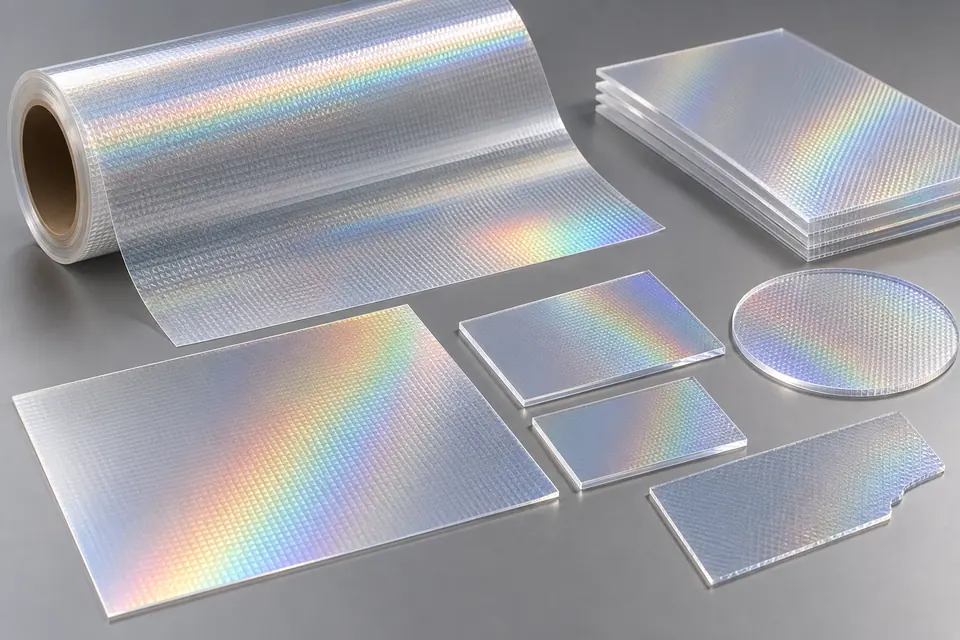
Microprism Brightness-Enhancement Film is processed by precision cross cutting to support display polarization, reflection control, brightness enhancement and optical filtering. The finished geometry must remain compatible with downstream handling and assembly.
Cut-quality control
Production teams compare accepted and rejected samples for edge cleanliness, optical surface condition, profile accuracy, coating continuity and orientation, then relate the result to cut timing, blade clearance, web support, feed registration and material flatness.
Stable material and waste handling
non-marking support, controlled tension and protection from dust or face-to-face abrasion help the product and waste leave the cut zone consistently without creating a second defect after separation.
Как обычно описывают эту проблему резки
- microprism brightness-enhancement film precision cross-cutting blades режущие ножи 1
- industrial microprism brightness-enhancement film precision cross-cutting blades режущие ножи 2
- custom microprism brightness-enhancement film blades for precision cross cutting режущие ножи 3
- how to improve precision cross cutting of microprism brightness-enhancement film режущие ножи 4
- microprism brightness-enhancement film precision cross cutting edge defect analysis режущие ножи 5
- microprism brightness-enhancement film precision cross cutting dimensional control режущие ножи 6
- Display manufacturing microprism brightness-enhancement film precision cross cutting setup режущие ножи 7
- microprism brightness-enhancement film blade RFQ data for precision cross cutting режущие ножи 8
Определите требуемый результат реза
- Achieve square repeat lengths with a clean transverse edge and low distortion for microprism brightness-enhancement film
- Prevent surface scratches, coating chips, whitening, layer separation or optical-edge distortion
- Maintain the required geometry for display polarization, reflection control, brightness enhancement and optical filtering
- Deliver a cut condition accepted by the next display manufacturing operation
Проблемы, которые следует проверить до замены ножа
The cut edge shows surface scratches, coating chips, whitening, layer separation or optical-edge distortion
Compare blade condition, cut timing, blade clearance, web support, feed registration and material flatness, material lot and accepted versus rejected samples.
Finished dimensions drift during a production run
Check feed registration, tension or hold-down, temperature, support condition, runout and when dimensions are measured.
The workpiece shifts, curls or loses functional surface quality
Review non-marking support, controlled tension and protection from dust or face-to-face abrasion, contact-face cleanliness, material direction, support and the first point where deformation appears.
Product and waste do not separate consistently
Check cut completeness, waste width, exit angle, static, extraction, collection tension and downstream transfer.
Возможные типы ножей
| Возможный тип ножа | Когда его можно рассматривать | Что необходимо подтвердить |
|---|---|---|
| Precision cross-cutting shear blade | Considered when precision cross cutting requires square repeat lengths with a clean transverse edge and low distortion under stable support and guidance. | Confirm only after reviewing a real microprism brightness-enhancement film sample, the equipment interface, mounting drawing, operating direction and an accepted cut reference. |
| Flying cutoff knife | Considered when the equipment interface and material response require an alternative geometry or cutting motion. | Confirm only after reviewing a real microprism brightness-enhancement film sample, the equipment interface, mounting drawing, operating direction and an accepted cut reference. |
Данные для технического анализа
Точное название ножа знать не обязательно. Отправьте имеющиеся сведения о разрезаемом материале, оборудовании, используемом ноже и результате реза, чтобы применение можно было оценить по чертежу или образцу.
- Microprism Brightness-Enhancement Film composition, grade, thickness and allowable lot variation
- Layer, coating, porosity, temper, adhesive or surface-function details relevant to precision cross cutting
- Input width and target dimensions, tolerances and acceptance drawing
- Line speed, feed mode, tension or hold-down, temperature and cutting frequency
- Current blade or knife drawing, holder interface, mounting dimensions and used sample
- Material direction, support, contact faces and product or waste collection method
- Accepted and rejected samples with limits for edge cleanliness, optical surface condition, profile accuracy, coating continuity and orientation
- Trial quantity, inspection method, downstream operation, packing and annual demand
Вопросы по этому процессу резки
Why must microprism brightness-enhancement film be reviewed as a complete material construction?
Its substrate, coating, interfaces and surface condition can respond differently to pressure, friction and bending, so nominal thickness alone does not predict precision cross cutting performance.
Can the blade be selected from the material name alone?
No. Confirm cut timing, blade clearance, web support, feed registration and material flatness, the holder interface, production speed, support and accepted samples before fixing the blade geometry.
What commonly causes defects during precision cross cutting?
Material variation, unstable support, alignment error, contamination, inappropriate clearance and blade wear can interact to create surface scratches, coating chips, whitening, layer separation or optical-edge distortion.
When should the finished dimensions be measured?
Record both immediate and conditioned results when recovery, residual stress, temperature, moisture or adhesive flow can change the part after cutting.
What should be recorded during a production trial?
Record the microprism brightness-enhancement film lot, setup, speed, support, blade condition, dimensions, edge observations, waste behavior and downstream acceptance.
Связанные товары и услуги
- OLED polarizer film: precision cross cutting режущие ножи - OLED polarizer film · precision cross cutting
- miniLED reflector sheet: precision cross cutting режущие ножи - miniLED reflector sheet · precision cross cutting
- flexible OLED support film: precision cross cutting режущие ножи - flexible OLED support film · precision cross cutting
Запросить подбор специального промышленного ножа
Отправьте данные о разрезаемом материале, машине или ножедержателе, фотографии либо образец используемого ножа, требуемое количество и примеры текущего дефекта реза. Окончательные размеры, материал ножа, геометрия режущей кромки и допуски подтверждаются по согласованным требованиям.