info@meirenteknife.com WhatsApp: +86 13122225089
言語
EnglishEspañolFrançaisPortuguêsDeutschРусскийالعربية日本語한국어ItalianoTürkçePolskiNederlandsTiếng ViệtBahasa Indonesia
MEIRENTE KNIFE CO., LTD.
  • ホーム
  • 製品
  • 製造工程
  • カスタムナイフ
  • ブレード用途ガイド
  • 会社情報
  • お問い合わせ
非標準工業用刃物のワンストップ対応図面またはサンプルに基づき製作

製品

  • 丸刃
  • 箔切断刃
  • 食品産業用ナイフ
  • グラスファイバー切断刃
  • ペレタイザーナイフ
  • 鋸刃・波刃
  • 短繊維カッター刃
  • More Blades

人気の製品

A105 x 70 x 1.2 mm round slitting blade for industrial film cutting A60 x 22 x 0.2 mm three-hole foil blade for battery foil slitting A398 x 20 x 1 mm stainless-steel meat skinner blade for food processing

お問い合わせ先

電話番号+86 13122225089 電子メールinfo@meirenteknife.com

24時間以内にご返信します

WhatsApp お問い合わせを送信
ホーム>ブレード用途ガイド>ポリエステル短繊維向け束切断用切断刃

ブレード技術 / 用途ガイド / 繊維加工

ポリエステル短繊維向け束切断用切断刃

ポリエステル短繊維は、層構成、硬さ、表面状態、張力および温度によって切断応答が変わります。束切断では、材料仕様だけでなく、支持条件、速度、装置インターフェース、合格・不合格サンプルを照合して切断刃仕様を決めることが重要です。

Reviewed by the MEIRENTE technical team · Updated September 13, 2026

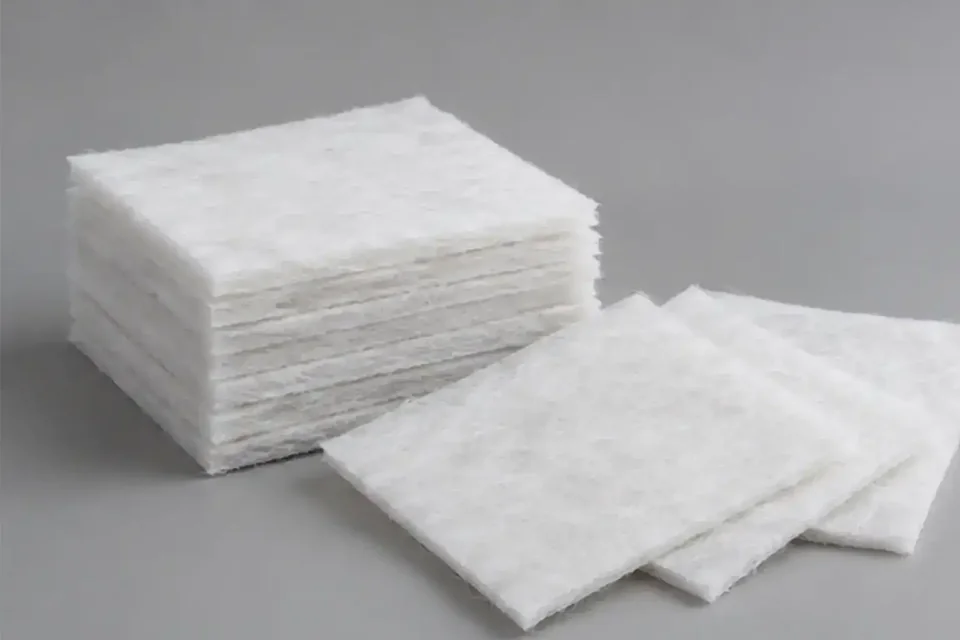
ポリエステル短繊維の束切断前後における良品・不良端部の比較
束切断後のポリエステル短繊維について、良品と不良の状態を示す材料サンプル。

この切断用途が使用される工程

精密加工工程

ポリエステル短繊維を束切断する繊維加工工程では、安定した切断面と再現性のある寸法が次工程の品質を支えます。

品質管理工程

ポリエステル短繊維を束切断する繊維加工工程では、安定した切断面と再現性のある寸法が次工程の品質を支えます。

下流組立工程

ポリエステル短繊維を束切断する繊維加工工程では、安定した切断面と再現性のある寸法が次工程の品質を支えます。

この切断問題でよく使われる検索表現
  • ポリエステル短繊維 束切断 切断刃 選定
  • ポリエステル短繊維 束切断 切断刃 仕様
  • ポリエステル短繊維 束切断 切断刃 切断品質
  • ポリエステル短繊維 束切断 切断刃 端面対策
  • ポリエステル短繊維 束切断 切断刃 寸法管理
  • ポリエステル短繊維 束切断 切断刃 材料対応
  • ポリエステル短繊維 束切断 切断刃 技術相談
  • ポリエステル短繊維 束切断 切断刃 見積り

必要な切断結果を明確にする

  • ポリエステル短繊維の束切断で寸法と直線性を維持する
  • 切断片・端材を安定して分離・回収する
  • ポリエステル短繊維の表面、層構成および機能を保護する
  • 次工程に必要な清浄性と再現性を確保する

ナイフ交換前に確認すべき問題

切断片または端材が安定して分離しない

切断幅、排出角度、張力、静電気、気流および回収経路を確認します。

切断端にバリ、毛羽、つぶれまたは付着が生じる

材料構成、温度、支持、速度、刃先状態および合格・不合格サンプルを比較します。

層間ずれまたは表面損傷が発生する

材料方向、接触面、案内、圧力、張力および搬送条件を確認します。

寸法または端部品質が安定しない

取付精度、振れ、切断形状、排出条件および不安定化の最初の地点を特定します。

検討可能なナイフ形状

候補となるナイフ形状検討できる条件確認が必要な事項
チョッパー刃による繊維切断ユニット繊維束を安定して分離する必要がある場合。実際のポリエステル短繊維サンプル、装置インターフェース、作動、現行部品および承認図面に基づいて確認します。
固定刃・回転刃の繊維カッター繊維飛散と切断長を管理する必要がある場合。実際のポリエステル短繊維サンプル、装置インターフェース、作動、現行部品および承認図面に基づいて確認します。

技術検討に必要な情報

正確なブレード名称が分からなくても問題ありません。被切断材、設備、現行ナイフ、必要な切断結果について、分かる範囲の情報をお送りください。図面またはサンプルに基づいて用途を検討します。

  • 材料の組成、表面処理、硬さまたは接着特性
  • 厚み、層構成、補強材および保護層
  • 投入寸法、完成寸法、許容差および切断幅
  • ライン速度、張力、温度、支持条件および切断頻度
  • 現行の切断刃、ホルダー図、取付寸法および使用済みサンプル
  • 材料方向、接触面、案内方法および端材・製品回収方法
  • 合格・不合格サンプルと端面、表面、異物、寸法の判定基準
  • 試作数量、検査方法、後工程、梱包および年間需要

この切断用途に関するよくある質問

ポリエステル短繊維の束切断で最初に確認すべきことは何ですか?

材料構成、寸法、公差、作動、支持条件、速度および合格サンプルを確認します。

材料名だけで切断刃を選定できますか?

できません。実機の取付条件、動作、材料方向、品質要件を確認してから選定します。

束切断時の代表的な不良は何ですか?

バリ、毛羽、層間ずれ、表面損傷、端材不良、寸法変動が相互に影響することがあります。

寸法はいつ測定すべきですか?

直後と調整後の両方を記録し、応力緩和や温度変化による寸法変化を確認します。

量産トライアルでは何を記録すべきですか?

材料ロット、切断刃仕様、設定、速度、寸法、端面状態、端材挙動および繊維加工の次工程結果を記録します。

関連する製品・サービス情報

  • 炭素繊維トウ向け束切断用切断刃 - 炭素繊維トウ · 束切断
  • アラミド短繊維向け束切断用切断刃 - アラミド短繊維 · 束切断
  • ポリエステル短繊維向けトウチョップ用切断刃 - ポリエステル短繊維 · トウチョップ

特注切断ナイフの技術検討を依頼する

被切断材の詳細、設備またはナイフホルダーの情報、現行ナイフの写真またはサンプル、必要数量、現在の切断不良例をお送りください。最終寸法、刃物材質、刃先形状、公差は、承認済み要件に基づいて確認します。

関連する製品・サービス情報

用途情報を送信

ブレード技術へ戻る

Industrial Blade Application Guides: From Material to Cutting Edge

Reliable cutting comes from a system, not a single hardness number. Industrial blade technology connects the processed material, cutting method, machine condition, blade material, heat treatment, geometry, grinding accuracy and maintenance practice.

This page gives engineers and buyers a practical framework for discussing blade performance with Meirente before a quotation, trial or repeat-order improvement.

Start With the Cutting Application

A thin film, abrasive glass fiber, soft food product, polymer strand and electronic ceramic sheet place very different demands on a blade. The first questions should cover material behavior, thickness, speed, cutting gap, temperature, contamination, target finish and the cost of downtime.

Material Selection Is a Balance

Tool steel, stainless steel, high-speed steel, powder-metallurgy grades, tungsten carbide and coated solutions offer different combinations of hardness, toughness, wear resistance, corrosion resistance and cost. Selection should reflect the dominant failure risk instead of using the same grade for every application.

Edge Geometry Controls How the Blade Enters the Material

Bevel angle, single- or double-bevel direction, edge thickness, tooth pitch, tooth height, rake and clearance influence cutting force, dust, burrs, heat and edge strength. A sharper edge can reduce force, but an edge that is too thin may chip or deform under impact.

Heat Treatment, Grinding and Surface Engineering

Heat treatment develops the material properties required by the design. Precision grinding then controls flatness, parallelism, runout, concentricity and final edge geometry. Surface finishing or coating may help with wear, friction, corrosion or material adhesion when the application and base material justify it.

Measurement and Failure Feedback

Inspection confirms whether the blade matches the agreed specification; production feedback confirms whether the specification matches the real process. Photos and records of wear, chipping, deformation, burrs, dust, motor load, heat and cutting hours help separate material problems from alignment, gap, vibration or contamination issues.

Tell us what you cut, how the blade fails and what result you need. We will help organize the technical review.お問い合わせを送信

Is higher hardness always better?

No. Higher hardness can improve wear resistance but may reduce toughness. The correct balance depends on impact, material abrasiveness and machine stability.

Why does the same blade wear differently on two machines?

Alignment, holder condition, cutting gap, speed, cooling, vibration, contamination and processed material can all change blade life.

When should a coating be considered?

Consider it when wear, friction, corrosion or adhesion is a defined problem and the coating is compatible with the base material, edge and operating temperature.

What information helps diagnose chipping?

Provide the chipped location, installation direction, holder condition, cutting gap, speed, processed material, contamination risk and close-up photos.

Can edge geometry be changed without changing the machine?

Sometimes, but the blade-holder interface, clearance and cutting method must be reviewed before any geometry change is approved.

ご要望からお見積りまで

最も有用な次のステップを選択してください

  1. 刃物を特定する。現行の製品カテゴリーを選び、被切断材と機械の取付条件を確認します。
  2. 製造ルートを確認する。詳しくは カスタムナイフ 図面・サンプルに基づくプロジェクト、および 製造工程 加工、研削、検査の工程をご覧ください。
  3. 技術検討を依頼する。図面またはサンプル、設備型式、被切断材、数量を送信してください 。製造前に仕様を確認します。
特注刃物プロジェクトを始めましょう。24時間以内にご返信します。
刃物の技術検討に利用できる資料をお送りください:
  • 刃物の図面または実物サンプル
  • 設備メーカーおよび型式
  • 被切断材と現在の切断課題
  • 必要数量

製品

  • 丸刃
  • 箔切断刃
  • 食品産業用ナイフ
  • グラスファイバー切断刃
  • ペレタイザーナイフ
  • 鋸刃・波刃
  • 短繊維カッター刃
  • すべての製品を見る →

会社名

  • 会社情報
  • 会社概要
  • 製造工程
  • ブレード用途ガイド

サポート

  • カスタムナイフ
  • 配送と配達
  • カスタマーサービス
  • プライバシーポリシー
  • サイトマップ

お問い合わせ

MEIRENTE KNIFE CO., LTD.

図面またはサンプルに基づく非標準工業用刃物をワンストップで提供します。

電子メール: info@meirenteknife.com

WhatsApp:+86 13122225089

著作権 © 2013-2026 MEIRENTE KNIFE CO., LTD. 無断転載を禁じます。

同意いただいた場合、ページ閲覧、検索、製品への関心、おおよその地域、閲覧時間を把握するために自社アクセス解析を使用します。 プライバシーポリシー.

ポリエステル短繊維向け束切断用切断刃