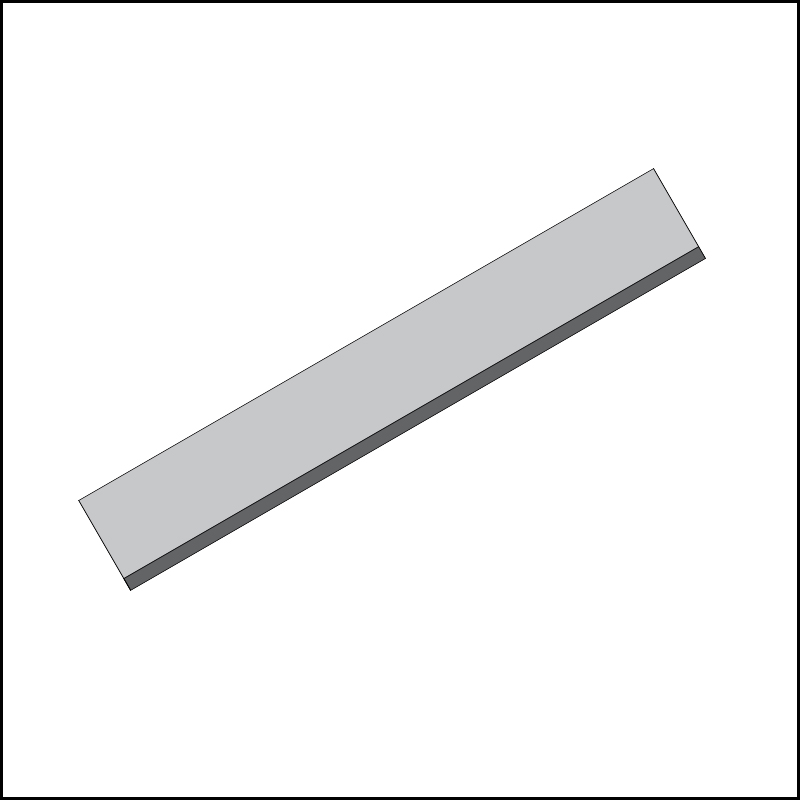
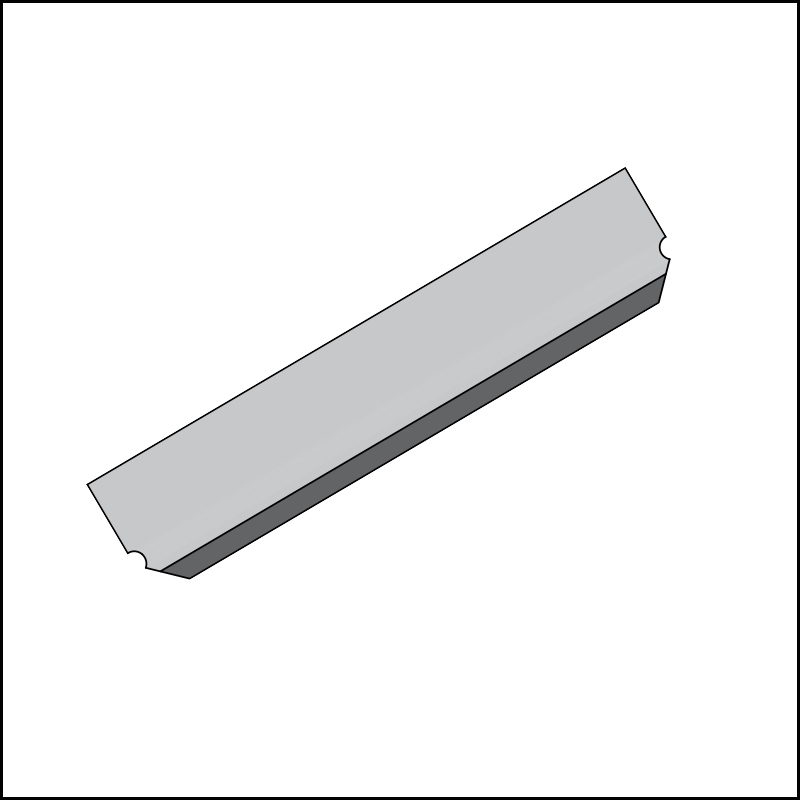
Toothed Blades Supplier Comparison Guide
Buyers searching for Toothed Blades in 2026 are usually not looking for a simple catalog page. They are trying to reduce project risk, compare suppliers faster and confirm whether the manufacturer can support real delivery conditions.
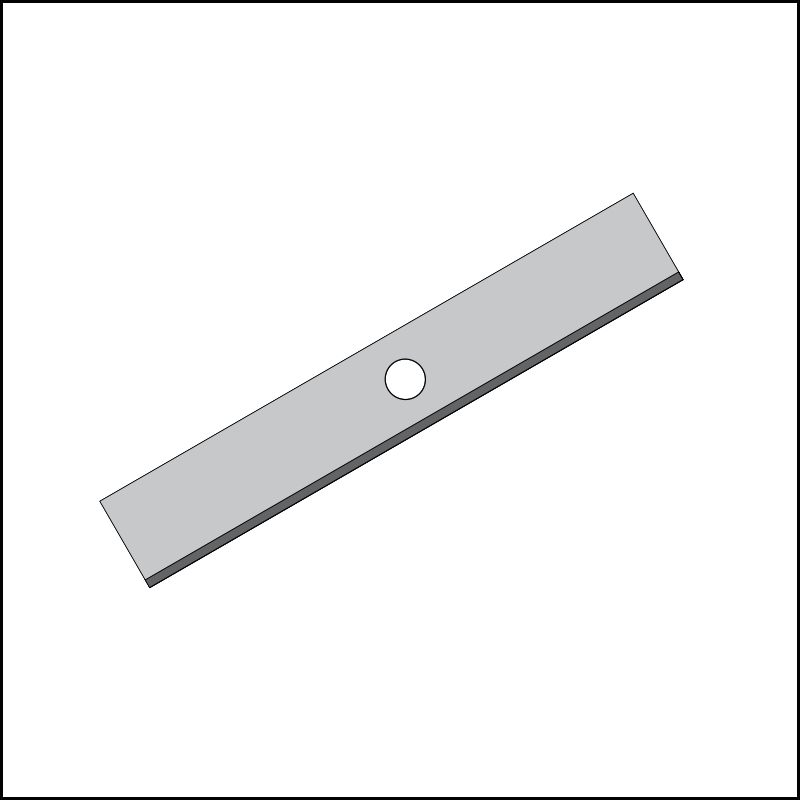

What buyers should confirm first
The first useful question is not whether the product is available. It is whether the specification, application condition and acceptance standard are clear enough for the supplier to quote without guessing. Missing project data often causes wrong model selection, slow confirmation and avoidable price changes.
RFQ checklist for Toothed Blades
| Application data | Working condition, size, model range, capacity, material and site limits. |
| Quality evidence | Inspection points, test method, certificate requirement and traceability record. |
| Delivery risk | Lead time, packing method, spare part plan and after sales contact window. |
| Quotation clarity | Drawings, sample photos, target quantity, destination and acceptance criteria. |
Industry context behind this demand
Product pages to review before inquiry
These internal pages help buyers check whether the product family matches the project before sending drawings or specifications:
How to compare suppliers without wasting time
Ask each supplier to respond with the same technical scope. Compare the model or process recommendation, stated exclusions, inspection method, packing plan and response speed. A lower first quotation is not always cheaper if the supplier leaves key project risks undefined.
Related reading from this website
Slitting Knives Maintenance, Spare Parts and After-Sales Checklist
Industrial Cutting Blades Troubleshooting Guide: Common Causes and Inspection Points
FAQ
What information should buyers send for Toothed Blades
Send the application condition, drawings or photos, target quantity, required standard, destination country and any inspection or packing requirement.
Why this guide helps procurement teams compare suppliers
The guide connects the product term with drawings, materials, inspection points, delivery planning and inquiry preparation, so buyers can compare suppliers with a clearer technical scope.
When should the buyer contact the supplier
Contact the supplier when the project has a confirmed application, technical requirement or delivery target. Early discussion reduces rework and makes the quotation more accurate.
Practical Buyer Notes For Toothed Blades
Toothed Blades Supplier Comparison Guide should help a purchasing team confirm more than a simple item name. For Toothed Blades, the important review starts with the real machine position, the material being cut, the line speed, and the downtime cost if the knife fails early. Meirente usually recommends sharing a drawing, sample photo, used blade, or machine model before quotation so the engineering team can compare the edge profile with the working condition. This keeps the discussion close to the buyer's production line and avoids a generic spare part that looks similar but cannot hold stable performance.
The product group is mainly used for packaging conversion, film perforation, fiber cutting, and automated feeding positions that need stable bite. Buyers can review the current product category here: Toothed Blades. When the application involves multiple cutting stations, it is better to confirm whether each station uses the same blade size and whether the expected life is measured by production hours, tons of material, rolls processed, or planned maintenance cycles.
Specification Details To Confirm Before Quotation
A reliable RFQ normally includes tooth pitch, tooth height, pitch tolerance, heat treatment, burr control, and machine interface dimensions. If the buyer only sends a product name, the quotation may miss key tolerances that influence cutting quality and installation. The stronger approach is to prepare the outer diameter, inner bore, thickness, keyway or mounting hole details, bevel direction, hardness requirement, coating requirement if any, and the material to be cut. For repeat orders, batch number and previous performance feedback are also useful.
For overseas projects, Meirente can review whether the blade should be supplied as a direct replacement, a drawing-based custom part, or a modified version for longer service life. This is especially important when the old blade creates dust, burr, edge chipping, unstable feeding, high motor load, or frequent line stoppage. The buyer should describe the failure mode with photos because edge wear, cracking, and deformation point to different solutions.
Quality Control Points That Matter In Production
Blade quality is not only a hardness number. Heat treatment consistency, flatness, concentricity, edge finish, tooth shape, and final inspection all affect production stability. For precision knife orders, the buyer should ask how the factory checks dimensions before packing and whether the inspection method matches the tolerance on the drawing. Meirente's product information is supported by in-house manufacturing and product checking resources, including the Product Testing Center.
Packaging is also part of quality control. A sharp industrial knife can be damaged during transport if the edge is not protected or if multiple pieces are allowed to move inside the carton. For export orders, buyers should confirm rust prevention, edge guard, separation method, label information, and whether the package can be checked easily by warehouse staff before installation.
Installation And Maintenance Review
Before installation, maintenance teams should clean the blade seat, check parallelism, inspect screws and spacers, and avoid mixing new knives with severely worn mating parts. A new blade cannot perform well if the holder, shaft, or support roller has excessive wear. For slitting and rotary positions, runout and alignment should be checked after mounting. For toothed and pelletizing applications, the gap and feeding stability should be reviewed before full-speed operation.
During use, operators can record cutting quality, motor load, heat, noise, and edge condition after each shift. These records make the next procurement cycle more accurate. If a blade wears too fast, the root cause may be material contamination, wrong edge angle, poor cooling, machine vibration, or a mismatch between blade grade and cutting material. A structured feedback loop helps the supplier recommend a better grade or edge design next time.
Internal Product References
Related Purchasing Guides
How to Choose Plastic Pelletizing Blades for International Procurement
Pelletizer Knives Application Checklist Specifications Documents and Lead Time
Toothed Blades Supplier Evaluation Guide for Overseas Buyers
Industrial Cutting Blades Trends Practical Buying Points for 2026 Projects
RFQ Checklist For Faster Response
Machine model, working position, and blade drawing or sample photo.
Cutting material, line speed, target edge quality, and current failure mode.
Required quantity, spare part plan, target lead time, and destination country.
Inspection standard, packing requirement, and any previous blade performance feedback.
For a new project or a difficult replacement case, send the details through Contact Us. A complete technical request helps Meirente reply with a more practical quotation and reduces back-and-forth before production.