Granulator Blades: The Technical Backbone of Efficient Industrial Size Reduction
Granulator Blades: The Technical Backbone of Efficient Industrial Size Reduction
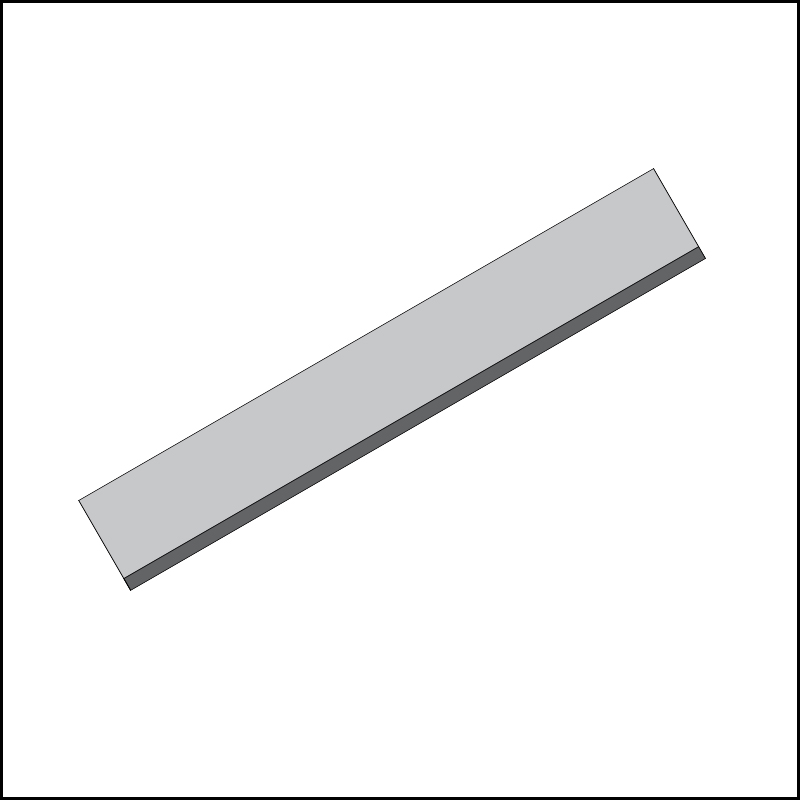
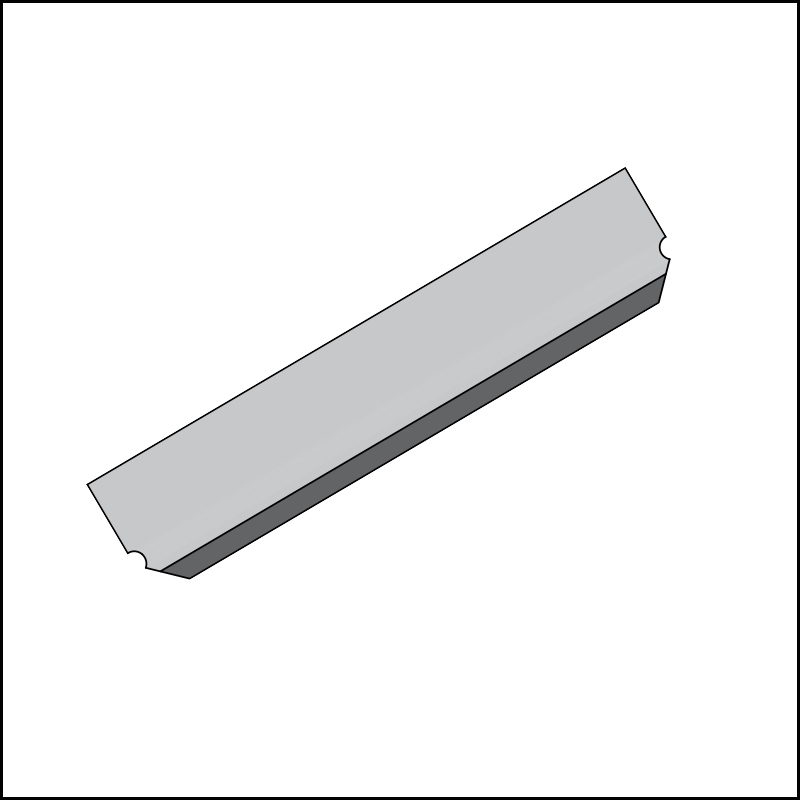
Granulator blades are the core components of plastic, rubber, and metal granulation systems, designed to deliver precise, high-speed size reduction while withstanding extreme mechanical stress. Engineered for heavy-duty industrial applications, these blades combine advanced material engineering and geometric optimization to meet the rigorous demands of recycling and production lines.
Key Technical Features
High-Performance Material Grades: Premium options include D2 tool steel, SKD11 tungsten alloy, and carbide-tipped variants, boasting a Rockwell hardness range of 58–62 HRC. This ensures superior wear resistance and edge retention, even when processing abrasive materials like reinforced plastics or scrap metal.
Precision Geometry Design: Optimized rake angles, clearance angles, and edge bevels minimize cutting resistance, reducing energy consumption by up to 20% compared to standard blades. The uniform edge thickness also guarantees consistent particle size (ranging from 2–20 mm) for post-processing efficiency.
Heat-Treated Durability: Through vacuum heat treatment and cryogenic tempering, granulator blades achieve enhanced toughness, preventing chipping and deformation during continuous high-speed rotation (typically 500–1,500 rpm). This extends blade service life by 30–40% and cuts maintenance downtime.
Industrial Applications & Benefits
Ideal for plastic recycling plants, injection molding facilities, and metal fabrication workshops, these blades handle diverse feedstocks—from thin film scraps to thick-walled plastic parts. By choosing technically matched granulator blades, manufacturers can boost throughput, reduce material waste, and ensure the quality of granulated end products, making them a critical investment for efficient size-reduction operations.
Related product and article resources
For procurement comparison and technical evaluation, readers can continue with these related product pages and supporting articles.