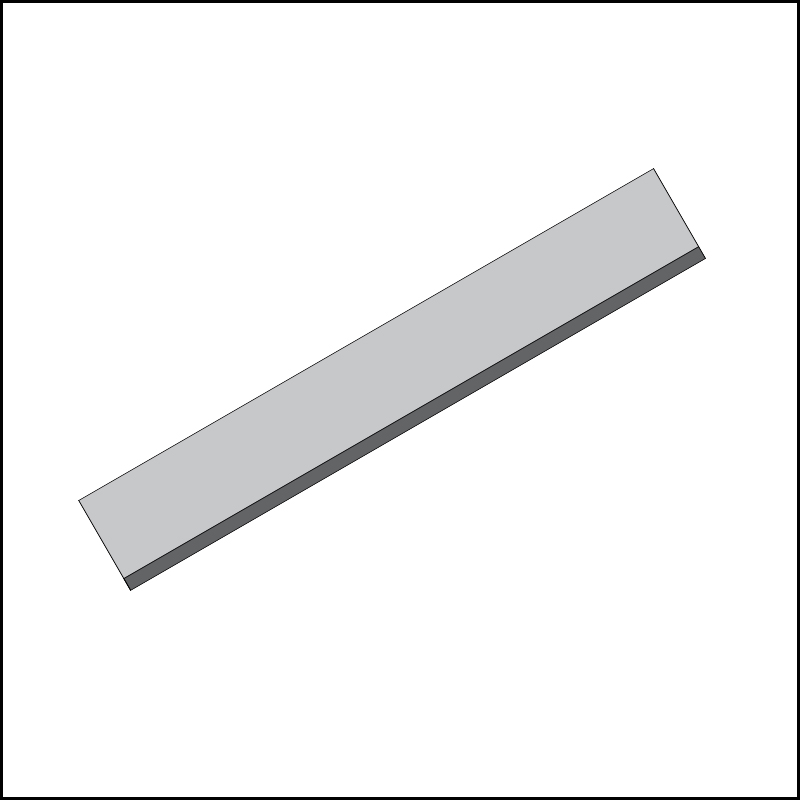
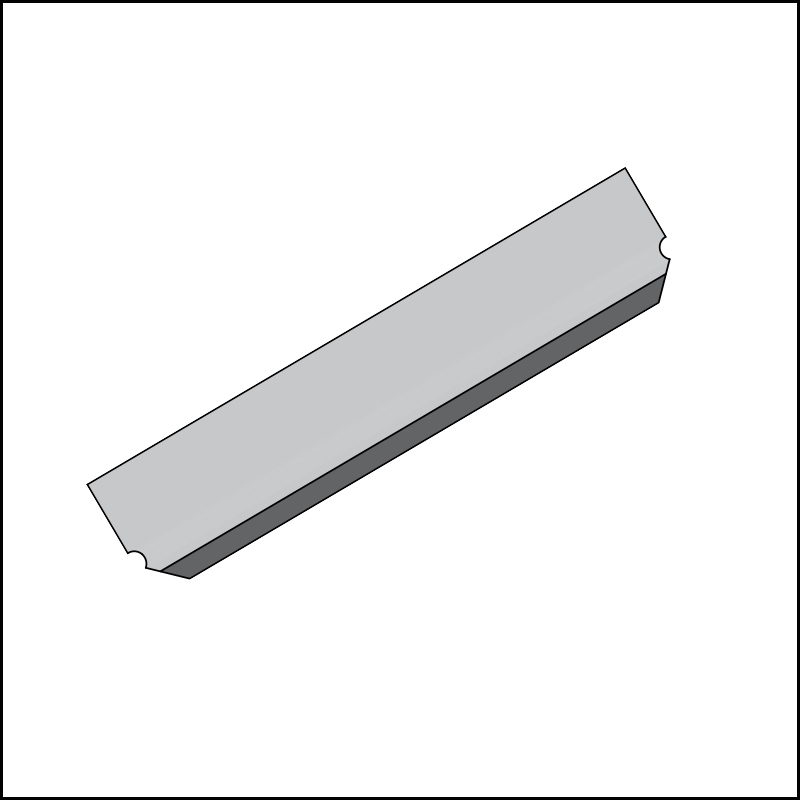
Fiber Chopper Blade
Fiber Chopper Blade: Key Technical Factors Shaping Composite Manufacturing Efficiency In the realm of composite material production, the fiber chopper blade stands as a critical component that directly dictates cutting precision, material quality, and production efficiency. Whether processing fiberglass for FRP (fiber-reinforced plastics) or carbon fiber for high-performance aerospace components, the technical specifications of the chopper blade determine the consistency of chopped fiber lengths, the integrity of fiber filaments, and the overall cost-effectiveness of manufacturing operations. This article delves into the core technical attributes of fiber chopper blades, exploring how material selection, design engineering, and performance optimization drive excellence in composite manufacturing. Material Selection: The Foundation of Blade Durability and Cutting Performance The choice of blade material is the primary determinant of its lifespan and cutting capability, especially when dealing with abrasive fiber materials like glass or carbon. Two materials dominate the industrial landscape: carbon steel and tungsten carbide, each tailored to specific application requirements. Carbon steel blades, such as the 0.010" thick carbon steel variants used in standard fiberglass chopper guns, offer an optimal balance of strength and cost-effectiveness. Their 2-facet ground edges ensure clean initial cuts, making them ideal for high-volume, general-purpose fiberglass chopping in open-mold composite applications. However, for prolonged use or cutting harder fibers like carbon tow, tungsten carbide blades are preferred. Tungsten carbide’s exceptional wear resistance minimizes blade degradation, reducing downtime for replacements and maintaining consistent cutting performance even in continuous production environments. Material selection also impacts thermal management during cutting. Fibers like carbon are heat-sensitive, and excessive friction-generated heat can damage filament integrity. Pneumatic or ultrasonic chopper systems paired with heat-resistant blade materials mitigate this risk, ensuring precise cuts without compromising fiber properties. Design Engineering: Precision Parameters for Optimal Fiber Length Control The structural design of fiber chopper blades directly influences the ability to achieve precise, repeatable fiber lengths—a critical factor in composite performance. Key design elements include blade geometry, mounting configuration, and the number of blades per assembly. Blade geometry, particularly the oblique angle, plays a pivotal role in cutting energy efficiency and cut quality. Research has shown that oblique angles of 30° to 60° reduce cutting energy compared to straight (0°) angles, minimizing blade wear and improving throughput. Additionally, serrated edges enhance grip on continuous fiber rovings, preventing slippage and ensuring uniform cutting lengths ranging from as short as 5/16 inches to as long as 4 inches. Mounting design is another critical consideration. Dual-hole blade designs, such as the 88-0138 model from The Razor Blade Company, enable secure attachment to chopper gun heads, reducing vibration during high-speed rotation. This stability is essential for maintaining cutting precision, especially in rotary chopper systems where blade speed directly affects fiber length consistency. Modern chopper guns can accommodate up to 16 blades, allowing for fine-tuning of cut length and increasing material deposition rates by up to 33%. Performance Optimization: Balancing Efficiency, Maintenance, and Cost Optimizing fiber chopper blade performance requires a holistic approach that considers not just cutting precision, but also maintenance frequency and total cost of ownership. High-quality blades with superior wear resistance, such as those with longer-lasting seals and hardened edges, reduce the need for frequent replacements—critical in industrial settings where downtime directly impacts productivity. Tool-free blade replacement systems, a feature of advanced chopper guns like Graco’s RS Chop Gun, further minimize downtime by allowing operators to swap out "no-cut" blade cartridges quickly. This design innovation ensures that production remains uninterrupted, even during blade maintenance. Another key optimization factor is compatibility with fiber type. Ultrasonic chopper blades, for example, are engineered for fine or brittle fibers, using high-frequency vibrations to make clean, low-force cuts without damaging filaments. In contrast, mechanical chopper blades are better suited for high-volume cutting of robust fiberglass rovings in open-mold FRP production. Conclusion: The Critical Role of Quality Blades in Composite Manufacturing The fiber chopper blade is more than a simple cutting tool—it is a precision-engineered component that underpins the quality and efficiency of composite manufacturing. From material selection and geometry design to performance optimization, every technical aspect of the blade contributes to the consistency of chopped fibers, the durability of production equipment, and the profitability of operations. By investing in high-quality, application-specific fiber chopper blades, manufacturers can ensure superior composite part quality, reduce operational costs, and gain a competitive edge in industries ranging from aerospace and automotive to construction and renewable energy.
Related product and article resources
For procurement comparison and technical evaluation, readers can continue with these related product pages and supporting articles.
- Products
- Product catalog
- Contact the sales team
- Contact us
- Engineering Excellence for Precision Plastic & Metal Processing
- Granulator Blades: The Technical Backbone of Efficient Industrial Size Reduction
- High efficiency and precision shape the future: Water ring pelletizer blade solutions
- How Metallographic Analysis Powers Precision Cutting Performance